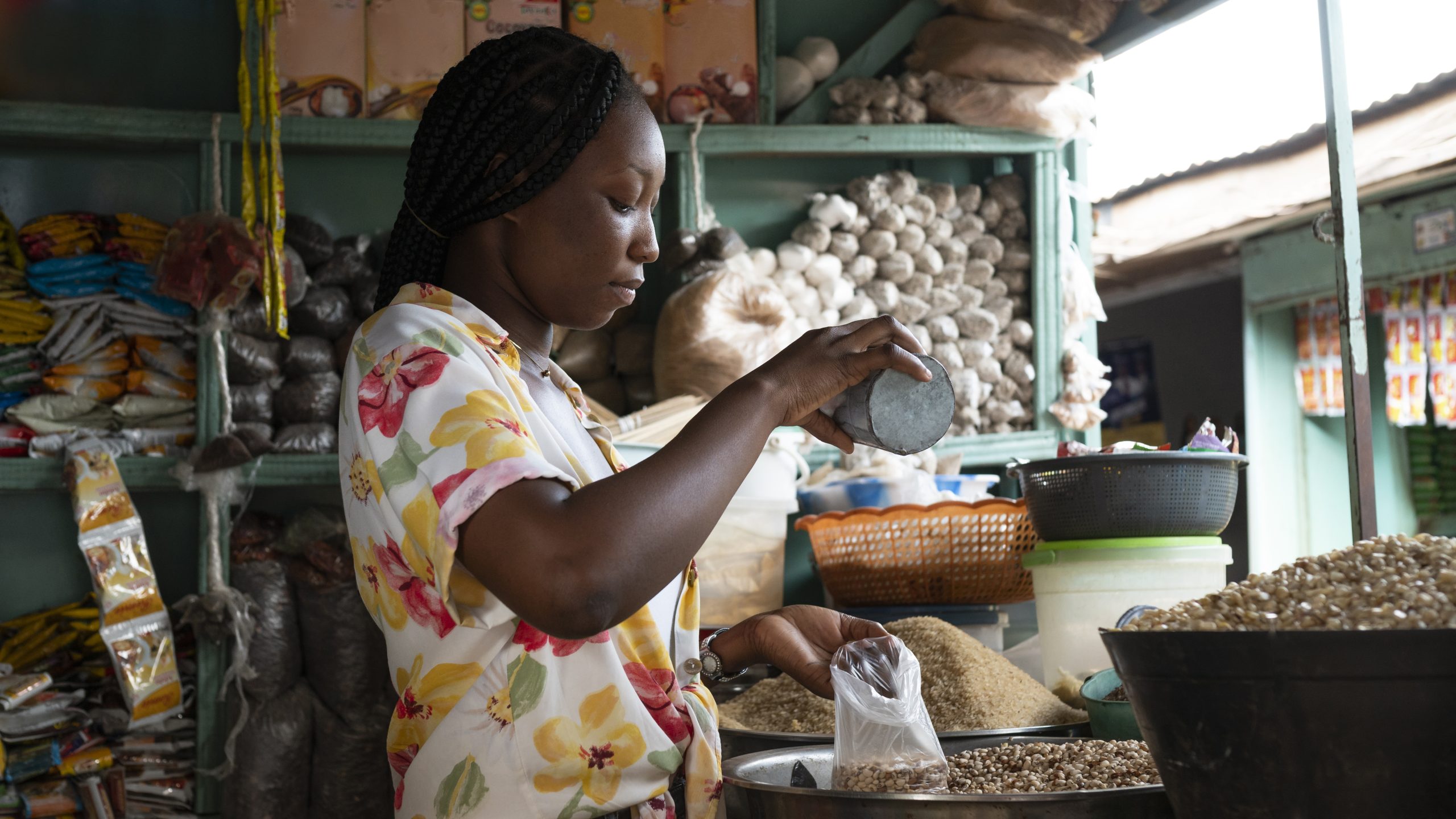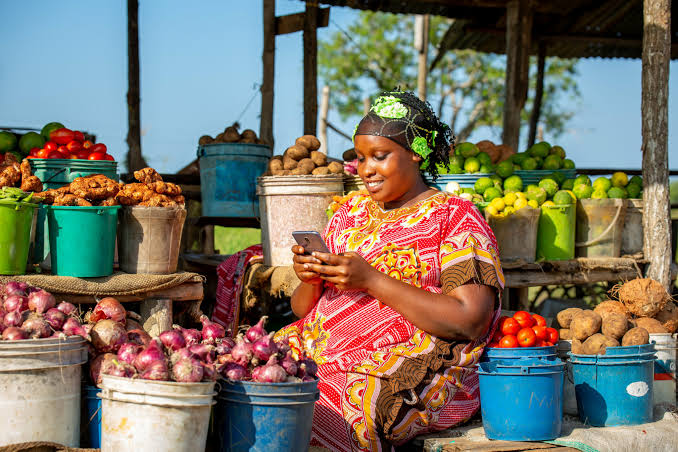








Walk into a Ghanaian shop and look at the products on the shelves. Cooking oil from Malaysia. Rice from Thailand or Vietnam. Toothpaste from India. Electronics from China. Used clothing from Europe and North America. Cars from Japan, Korea, and Germany. Even basic items like matches, tissue paper, and bottled water sometimes arrive from factories thousands of kilometres away.
Ghana imports a significant share of what it consumes. This is not unusual in itself — no country produces everything it needs — but the scale and nature of Ghana’s import dependence have profound consequences for the economy, the cedi, jobs, and national resilience.
This article explains why Ghana imports so much, what those imports cost, how they affect the exchange rate and domestic production, and what the path toward a more balanced trade position could look like. It is not a call for closing borders. It is an honest examination of the price Ghana pays for its current trade structure.
Quick Facts
-
Ghana imports a wide range of goods, including fuel, machinery, vehicles, medicines, food, and consumer products.
-
The country’s major exports include gold, cocoa, crude oil, and other primary commodities.
-
Ghana’s trade balance has fluctuated over the years, with periods of surplus and deficit.
-
The value of the cedi is strongly influenced by the demand for foreign currency to pay for imports.
-
Imported food products such as rice, poultry, and cooking oil compete directly with local production.
-
Ghana has a trade policy that includes tariffs and import duties intended to protect local industries and raise revenue.
-
The dependence on imports makes the economy vulnerable to global price shocks and supply chain disruptions.
What Ghana Imports
Ghana’s import bill is broad. It includes:

-
Fuel and petroleum products
-
Machinery and equipment
-
Vehicles and spare parts
-
Electrical and electronic goods
-
Pharmaceuticals and medical supplies
-
Food products, including rice, poultry, sugar, and cooking oil
-
Cement and building materials
-
Textiles and clothing
-
Plastics and packaging materials
-
Paper and paper products
Some of these imports are essential for production. Machinery, equipment, and industrial inputs help Ghanaian businesses operate. Fuel powers transport and electricity generation. Medicines save lives. The problem is not that Ghana imports; it is that Ghana imports many things it could produce domestically, and the overall import bill is financed by exports that are often volatile and raw-material based.
Why Ghana Imports So Much
The reasons are structural and historical.
Colonial Economic Structure
Ghana’s economy was shaped during the colonial period to produce raw materials — cocoa, gold, timber — for export while importing manufactured goods from the colonial power. After independence, efforts were made to industrialise, but the underlying structure proved difficult to change. The country still exports mostly raw materials and imports mostly finished goods.

Weak Manufacturing Base
Ghana’s manufacturing sector remains small relative to the size of the economy. Many factories that existed in the 1960s and 1970s declined or closed due to a combination of factors: power shortages, cheap imports, high production costs, limited access to credit, and policy instability. When domestic production declines, imports fill the gap.
High Production Costs
It is often more expensive to produce goods in Ghana than to import them. Electricity costs, transport costs, the cost of capital, and the burden of bureaucracy all add to the cost of local production. Imported goods, produced at scale in countries with cheaper energy, cheaper labour, and better infrastructure, can undercut local products even after transport and tariffs.
Consumer Preferences
Some Ghanaians prefer imported goods, associating them with higher quality. This preference is not universal, but it affects demand. A local manufacturer must overcome not only cost disadvantages but also perceptions about quality.

Trade Liberalisation
Ghana has pursued trade liberalisation over the decades, reducing tariffs and opening the economy to international competition. This has benefits — lower prices, more choice — but it also exposes local producers to competition they are not always equipped to handle.
Population Growth and Urbanisation
Ghana’s population has grown and urbanised. Urban consumers buy more processed and packaged foods, more electronics, more vehicles, and more household goods. Much of this demand is met through imports.
The Foreign Exchange Cost
Every import must be paid for in foreign currency, usually US dollars. The demand for dollars to pay for imports is one of the main pressures on the cedi.
When Ghana imports more than it exports, the country runs a trade deficit. A trade deficit means more foreign currency is leaving the country than is coming in through exports. This gap must be covered by other inflows: remittances from Ghanaians abroad, foreign investment, foreign aid, or borrowing.
When these inflows are insufficient, the pressure on the cedi intensifies. The currency depreciates. A weaker cedi makes imports more expensive, which feeds into inflation. It also increases the cedi cost of servicing foreign debt.
The relationship between imports and the exchange rate is one of the most important dynamics in Ghana’s economy. Every item on the shelf that was produced abroad represents a demand for dollars. Every demand for dollars, multiplied across millions of transactions, shapes the value of the currency in your pocket.
The Loss of Domestic Jobs
Imports do not only affect the exchange rate. They also affect employment.
When Ghana imports rice, poultry, textiles, or furniture, it is importing goods that could potentially be produced locally. Every tonne of imported rice that could have been grown in Ghana represents lost income for farmers, lost work for processors, and lost business for transporters and traders in the local value chain.
The poultry industry is a stark example. Ghana’s local poultry industry has struggled for years against imported frozen chicken. Local producers face higher feed costs, higher energy costs, and limited access to affordable credit. Imported chicken, often cheaper at the point of sale, captures a large share of the market. The result is that a sector with real potential to create jobs operates far below capacity.
Similar stories can be told about textiles, footwear, furniture, and processed foods. In each case, the availability of cheap imports is not only a consumer benefit; it is also a competitive challenge for local producers.
The Vulnerability to Global Shocks
A country that depends heavily on imports is vulnerable to events outside its control.
When global oil prices rise, Ghana’s fuel import bill rises. When shipping costs increase, the price of imported goods rises. When there are supply chain disruptions — as seen during the COVID-19 pandemic — goods become scarce and expensive. When major exporting countries restrict exports, importing countries feel the squeeze.
These shocks are not unique to Ghana, but they are more painful for a country with limited domestic alternatives. A country that produces much of its own food is less affected by a global food crisis than one that imports a large share of its staples.
The pandemic was a reminder of this vulnerability. When borders closed and supply chains broke, countries that could produce essential goods locally were in a stronger position. Countries that depended on imports faced shortages and price spikes.
The Food Import Bill
Food imports deserve special attention because they affect every household.
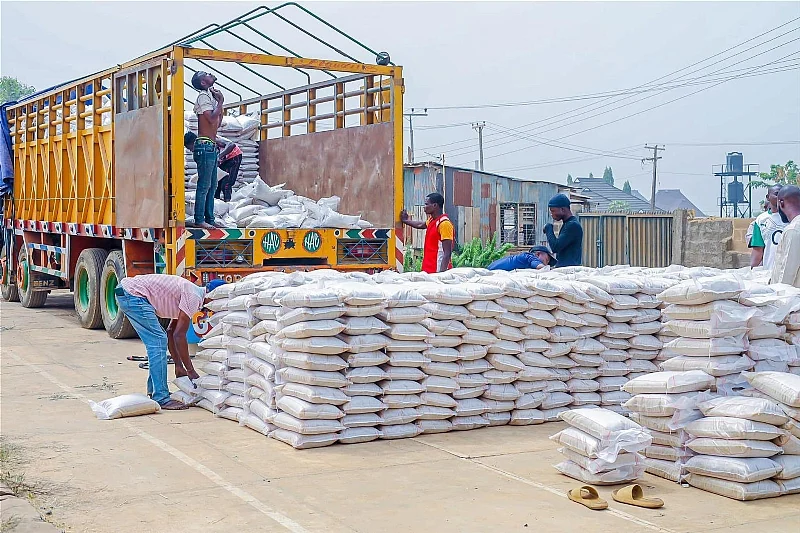
Ghana imports significant quantities of rice, the most important staple in urban Ghana. The country also imports poultry, sugar, wheat, cooking oil, and other food products. The annual food import bill runs into billions of dollars.
This is striking for a country with abundant arable land, water resources, and agricultural potential. Ghana can grow rice, maize, cassava, vegetables, and oil palm. It can rear poultry and livestock. Yet a large share of what the country eats comes from abroad.
The reasons are complex. Local production is constrained by low yields, limited irrigation, poor infrastructure, high input costs, and weak value chains. Imported food is often cheaper because it is produced at scale in countries with better infrastructure and lower costs.
But the food import bill is not just a financial issue. It is a strategic issue. A country that cannot feed itself is always vulnerable — to price shocks, supply disruptions, and the political decisions of exporting countries.
What Can Be Done
Support Domestic Production
The most obvious answer is to produce more locally. This requires investment in agriculture, manufacturing, and infrastructure. It requires improving access to credit, reducing energy costs, and upgrading transport networks. It requires practical support for local businesses, not just rhetoric.
Review Trade Policy
Ghana’s trade policy should balance openness with the need to protect strategic industries. Tariffs and import duties can be used deliberately to give local producers breathing room. This must be done carefully, because high tariffs can also raise prices for consumers. The goal is not protectionism for its own sake but strategic support for sectors with real potential.
Improve Quality and Competitiveness
Local producers must also step up. Consumers will buy local products if they are good quality, reliably available, and reasonably priced. This requires investment in technology, skills, and quality control. It requires businesses to understand what customers want and to meet those expectations.
Build Export Capacity
The other side of the import problem is exports. Ghana earns foreign exchange from exports, and stronger export earnings ease the pressure on the cedi. This means not only exporting more raw materials but also processing them locally to add value. Exporting processed cocoa, refined gold, or finished textiles earns more than exporting raw beans, ore, or fabric.
Reduce Non-Essential Imports
Ghana imports many things that are not essential or that could be substituted with local alternatives. Encouraging Ghanaians to buy local, promoting local brands, and adjusting policies to discourage non-essential imports can reduce the import bill without harming welfare.
Strengthen Regional Trade
Ghana does not have to produce everything alone. Regional trade within ECOWAS and the broader African Continental Free Trade Area can help. Ghana can specialise in what it does well and trade with neighbours for the rest. This reduces dependence on distant markets and builds regional resilience.
Common Misconceptions
“Imports are always bad”
Imports are not inherently bad. Some goods are cheaper or better made abroad. Imports provide consumers with choice and can lower costs. The problem is not imports as such but excessive and strategic dependence on them.
“Ghana can produce everything it needs”
No country produces everything. The goal is not total self-sufficiency but a balance between domestic production and trade. Ghana should produce more of what it can produce competitively and import what it cannot.
“Closing the borders would solve the problem”
Closing borders or imposing blanket import bans can create shortages, raise prices, and encourage smuggling. The solution is not isolation but a smart trade policy combined with real investment in domestic capacity.
“Local products are always more expensive”
Local products can be more expensive because local production costs are high. But as local industries scale up and improve efficiency, costs can fall. In the meantime, policy can help level the playing field.
“The consumer benefits from cheap imports, so why change anything?”
Cheap imports benefit consumers in the short term. But if cheap imports destroy local industries, the long-term costs — lost jobs, weaker economy, greater vulnerability — may outweigh the short-term savings.
Frequently Asked Questions
What does Ghana import the most?
Ghana’s major imports include fuel, machinery, vehicles, electrical equipment, pharmaceuticals, and food products. The exact composition changes from year to year depending on prices and demand.
Why is the cedi affected by imports?
Imports are paid for in foreign currency. High import demand increases the demand for dollars, which can weaken the cedi. A weaker cedi makes imports more expensive, contributing to inflation.
How much does Ghana spend on food imports?
The food import bill runs into billions of dollars annually, but the exact figure changes year to year. Rice, poultry, sugar, and cooking oil are among the major food imports. Check the latest data from the Ministry of Trade or the Ghana Statistical Service.
Can Ghana feed itself?
Ghana has the land, water, and climate to produce much more of its own food. Achieving greater food self-sufficiency requires investment, infrastructure, and policy support. It is possible, but it will not happen automatically.
What is being done to reduce import dependence?
Successive governments have announced programmes to boost local production, including in rice, poultry, and manufacturing. The results have been mixed. Structural challenges remain, and progress requires sustained effort.
Are tariffs protecting local industries?
Tariffs provide some protection, but they are only one tool. Local industries also need reliable power, affordable credit, good infrastructure, and skilled workers. Tariffs alone cannot make an uncompetitive industry competitive.
How does import dependence affect jobs?
When Ghana imports goods that could be produced locally, the jobs associated with producing those goods are lost to producers abroad. Reducing import dependence can create jobs in agriculture, manufacturing, and related services.
What to Remember
Ghana’s dependence on imports is not an accident. It is the result of historical patterns, policy choices, and structural weaknesses that have accumulated over decades. The cost is measured in pressure on the cedi, lost jobs, higher prices, and vulnerability to global shocks.
Changing this structure will take time. It requires investment in domestic production, a deliberate trade policy, improved competitiveness, and a national conversation about what Ghana should produce for itself and what it should buy from others.
The goal is not to stop trading with the world. It is to trade from a position of strength rather than dependency. A country that produces more of what it consumes, and exports more of what it produces, is a country that can weather global storms and create opportunities for its own people.
The next time you pick up an imported product in a shop, ask a simple question: could this have been made or grown here? The answer to that question, repeated across millions of decisions, will shape Ghana’s economic future.
Source: The Accra Daily Mail

Samuel Kwame Boadu is a Ghanaian media entrepreneur and storyteller with a passion for amplifying urban voices and uncovering everyday truths. He is the Editor-in-Chief and Founder of The Accra Daily Mail, a dynamic digital platform dedicated to capturing the pulse of Ghana’s capital—its people, culture, challenges, business, sports and innovations.