









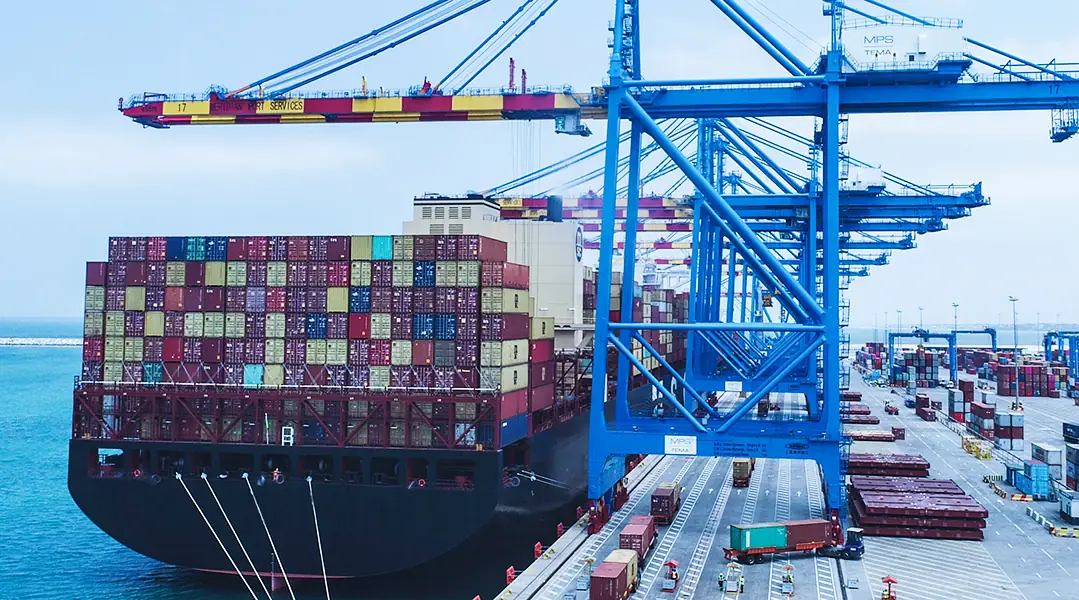

Every day, ships arrive at Ghana’s ports carrying goods from around the world. Every day, other ships leave carrying Ghanaian products to foreign markets. This constant movement of goods — in and out — is the lifeblood of international trade, and it shapes the economy in profound ways.
Yet the mechanics of import and export are often poorly understood. Who can import? Who can export? What documents are needed? What agencies are involved? What are the costs and the risks?
This Accra Daily Mail article explains how Ghana’s import and export business works in plain language. It is written for the aspiring trader, the curious citizen, and anyone who wants to understand how goods move across Ghana’s borders and why it matters.
Quick Facts
-
Imports are goods brought into Ghana from other countries. Exports are goods sent from Ghana to other countries.
-
Ghana’s major imports include fuel, machinery, vehicles, medicines, and some food products.
-
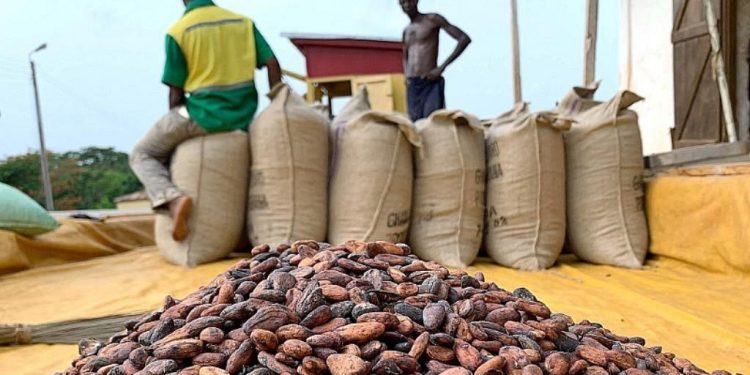
Ghana’s major exports include gold, cocoa, crude oil, timber, and agricultural products.
-
Import and export trade is regulated by the Customs Division of the Ghana Revenue Authority and other agencies.
-
Importers and exporters need specific licences, permits, and documentation depending on the goods.
-
Customs duties, taxes, and levies apply to many imported goods.
-
Exports earn foreign exchange, while imports consume it.
The Basics of International Trade
International trade is the exchange of goods and services across borders. Countries import goods they need or want but do not produce enough of domestically. They export goods they produce in abundance or at a competitive advantage.

Ghana is deeply involved in international trade. The country imports fuel, machinery, vehicles, medicines, and consumer goods. It exports gold, cocoa, oil, and other commodities. This trade connects Ghana to the global economy and shapes the value of the cedi, the level of prices, and the availability of goods.
Trade is not simply a matter of buying and selling. It involves customs procedures, documentation, taxes, inspections, and compliance with regulations. Understanding these mechanics is essential for anyone involved in the business.
Who Regulates Import and Export
The Customs Division
The Customs Division of the Ghana Revenue Authority is the primary agency responsible for regulating goods entering and leaving Ghana. Customs officers:

-
Inspect goods at ports and borders
-
Assess and collect duties and taxes
-
Enforce import and export regulations
-
Prevent smuggling and illegal trade
-
Process trade documentation
Customs operates at Ghana’s ports, airports, and land borders.
The Ghana Export Promotion Authority
The Ghana Export Promotion Authority promotes and facilitates exports. It supports exporters with information, training, and market access. It also helps develop Ghana’s export capacity.
The Food and Drugs Authority
The Food and Drugs Authority regulates the import and export of food, medicines, and related products. These goods require specific permits and must meet safety standards.

Other Agencies
Depending on the goods, other agencies may be involved:
-
The Environmental Protection Agency for certain chemicals and products
-
The Plant Protection and Regulatory Services Directorate for plants and agricultural products
-
The Veterinary Services Directorate for animals and animal products
-
The Minerals Commission for minerals
-
The Ghana Standards Authority for quality standards
How Importing Works
Step 1: Determine What You Want to Import
The first step is to identify the goods you want to bring into Ghana and confirm that they are legally importable. Some goods are prohibited or restricted.
Step 2: Obtain Necessary Permits
Depending on the goods, you may need permits from relevant agencies. For example, importing medicines requires approval from the Food and Drugs Authority. Importing certain chemicals may require environmental permits.
Step 3: Find a Supplier
You need to find a supplier abroad who can provide the goods at an acceptable price and quality. This involves negotiation, contracts, and payment arrangements.
Step 4: Arrange Shipping and Logistics
The goods must be transported to Ghana. This usually involves sea freight, air freight, or land transport. A freight forwarder or shipping agent can help manage logistics.
Step 5: Clear Customs
When the goods arrive at a Ghanaian port or border, they must be cleared through customs. This involves:
-
Submitting documentation
-
Paying customs duties and taxes
-
Undergoing inspection
-
Obtaining release
Customs clearance can be done by the importer or by a licensed customs agent.
Step 6: Transport to Destination
Once cleared, the goods are transported to their final destination — a warehouse, shop, or factory.
How Exporting Works
Step 1: Identify What You Want to Export
The first step is to identify goods you can produce or source and sell abroad. This requires market research and an understanding of demand in target markets.
Step 2: Register as an Exporter
Exporters should register with the Ghana Export Promotion Authority and obtain any necessary licences. The exact requirements depend on the goods.
Step 3: Obtain Necessary Permits
Some exports require permits. For example, exporting minerals requires approval from the Minerals Commission. Exporting plants may require phytosanitary certificates.
Step 4: Find a Buyer
You need to find a buyer abroad who will purchase your goods. This involves marketing, negotiation, and contracts.
Step 5: Arrange Shipping and Logistics
The goods must be transported to the port, airport, or border and shipped to the buyer. Freight forwarders and shipping agents help manage this.
Step 6: Clear Customs and Export
The goods must be declared to customs and cleared for export. Exporters must submit documentation and comply with regulations.
Step 7: Receive Payment
Payment is usually made through international banking channels, letters of credit, or other secure methods. Exporters must manage currency exchange and payment risk.
The Costs of Importing and Exporting
Customs Duties and Taxes
Imported goods are subject to customs duties, VAT, and other levies. The rates depend on the type of goods and the applicable tariff schedule.
Freight and Insurance
Shipping goods costs money. Freight charges cover transport, and insurance covers the risk of loss or damage.
Port Charges
Ports charge fees for handling, storage, and related services. These costs add to the total.
Agency Fees
If you use a customs agent or freight forwarder, you will pay for their services.
Compliance Costs
Obtaining permits, inspections, and certifications can involve costs.
The cumulative cost of importing or exporting is significant, and traders must factor these costs into their pricing.
The Risks of Trade
Exchange Rate Risk
If the cedi falls between the time you order goods and the time you pay for them, your costs rise. Exporters face similar risk if the cedi strengthens.
Payment Risk
Exporters may not receive payment if the buyer defaults. Importers may not receive goods if the supplier fails to deliver.
Regulatory Risk
Changes in tariffs, regulations, or restrictions can affect the viability of trade.
Logistical Risk
Delays at ports, damage in transit, and transport disruptions can cause losses.
Quality Risk
Goods may not meet the expected quality or may be rejected by buyers or regulators.
Managing these risks requires care, insurance, and professional advice.
Why Trade Matters
International trade is essential to Ghana’s economy.
Exports earn foreign exchange, which supports the cedi and finances imports. Imports provide goods that Ghana does not produce or produces insufficiently. Trade creates jobs in transport, warehousing, retail, and related services.
But trade also exposes the economy to global forces. A fall in commodity prices affects export earnings. A rise in global shipping costs affects import prices. The balance between imports and exports shapes the country’s external position and the value of the cedi.
Common Misconceptions
“Only big companies can import or export”
Individuals and small businesses can import and export. The scale may be smaller, but the possibility exists. Many traders import goods for resale, and many small exporters sell agricultural products abroad.
“Importing is easy money”
Importing involves significant costs, risks, and paperwork. It is not a simple path to quick profit.
“Exports are only about gold and cocoa”
Ghana exports a range of products, including agricultural goods, timber, and manufactured items. The non-traditional export sector is growing.
“Customs is the only agency involved”
Multiple agencies regulate trade, depending on the goods. Customs is central, but it is not the only authority.
“All goods can be imported freely”
Some goods are prohibited or restricted. Importers must check the rules for their specific products.
Frequently Asked Questions
Do I need a licence to import goods into Ghana?
It depends on the goods. Some goods require permits from specific agencies. Check the requirements for your product.
How do I register as an exporter?
Contact the Ghana Export Promotion Authority for registration and support.
What documents do I need to clear goods through customs?
Typical documents include invoices, packing lists, bills of lading, permits, and tax identification. A licensed customs agent can help.
How are customs duties calculated?
Duties are calculated based on the value of the goods and the applicable tariff rate. The Customs Division can provide guidance.
What is a freight forwarder?
A freight forwarder is a company that arranges the transport and logistics of goods on behalf of traders. They handle shipping, documentation, and related matters.
Can I export agricultural products?
Yes, but agricultural exports may require permits and meet quality and sanitary standards.
How long does it take to clear goods at the port?
The time varies depending on the goods, documentation, and port conditions. Proper preparation speeds the process.
What to Remember
Import and export are the arteries of Ghana’s economy. They bring in what the country needs and carry out what it produces. They create jobs, generate revenue, and connect Ghana to the world.
The business of trade is not simple. It involves multiple agencies, complex documentation, significant costs, and real risks. But it is also full of opportunity for those who understand how it works.
The next time you see goods on a shelf or a ship at the port, remember the journey behind them. Every imported phone and every exported cocoa bean is part of a system that shapes the economy and touches every life.
Source: The Accra Daily Mail

Samuel Kwame Boadu is a Ghanaian media entrepreneur and storyteller with a passion for amplifying urban voices and uncovering everyday truths. He is the Editor-in-Chief and Founder of The Accra Daily Mail, a dynamic digital platform dedicated to capturing the pulse of Ghana’s capital—its people, culture, challenges, business, sports and innovations.