










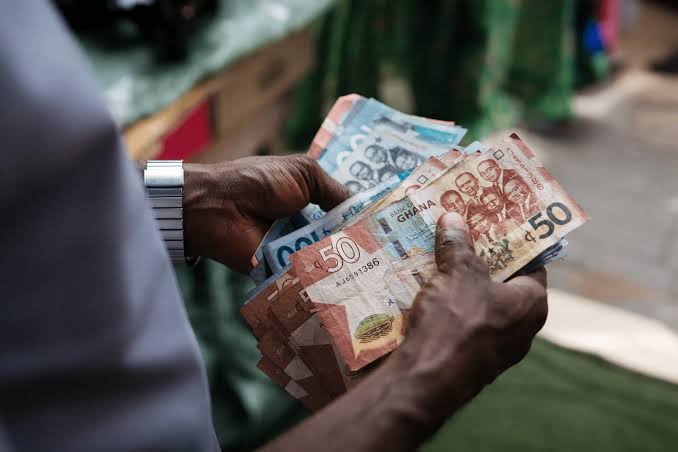

Few topics generate as much anxiety in Ghana as the value of the cedi. When the cedi falls against the dollar, prices rise, businesses struggle, and ordinary people feel the pinch. When it stabilises or strengthens, there is visible relief.
Yet the forces that move the cedi are often poorly understood. Many people think the exchange rate is set by the government, or that it is simply a matter of greed among traders. The reality is more complex — and more useful to understand.
This article explains why the cedi rises and falls against the dollar. It covers the main factors that influence the exchange rate, how they interact, and what it means for ordinary Ghanaians. It is written for anyone who wants to understand the currency without needing a degree in economics.
Quick Facts
-
The cedi’s value against the dollar is determined primarily by supply and demand for foreign currency.
-
Ghana imports a large share of its goods, creating constant demand for dollars.
-
Exports, remittances, foreign investment, and borrowing bring dollars into the country.
-
When demand for dollars exceeds supply, the cedi depreciates.
-
The Bank of Ghana can influence the exchange rate through monetary policy and intervention, but it cannot permanently fix the rate.
-
Global factors — such as US interest rates and commodity prices — also affect the cedi.
-
Exchange rate movements affect inflation, prices, debt, and the cost of living.
The Basic Mechanism: Supply and Demand
The exchange rate, like any price, is determined by supply and demand. The price of the cedi in terms of dollars — or the price of dollars in terms of cedis — moves based on how many people want to buy and sell each currency.

When many people want dollars and few are selling, the price of dollars rises. The cedi falls. When many people are selling dollars and few are buying, the price of dollars falls. The cedi rises.
This is not a mystery. It is the same mechanism that determines the price of tomatoes in a market. If tomatoes are scarce and demand is high, the price goes up. If tomatoes are abundant, the price goes down.
The complexity lies in what drives the supply and demand for dollars in Ghana.

What Creates Demand for Dollars
Imports
Ghana imports a huge range of goods: fuel, machinery, vehicles, medicines, food products, electronics, and consumer goods. Every import must be paid for in foreign currency, usually dollars.
This creates constant, large-scale demand for dollars. A country that imports more than it exports will always face pressure on its currency unless other inflows compensate.
Fuel imports are especially significant. Ghana imports refined petroleum products and crude oil for processing. When global oil prices rise, the cost of fuel imports rises, and the demand for dollars increases. This puts pressure on the cedi.

Debt Servicing
Ghana has significant external debt. Servicing that debt — paying interest and principal to foreign lenders — requires dollars. When debt payments are due, the demand for dollars rises, putting pressure on the cedi.
Foreign Travel and Education
Ghanaians travelling abroad, paying for foreign education, or seeking medical treatment overseas need dollars. These outflows, while smaller than imports and debt, still contribute to demand.
Speculation
Speculation can amplify exchange rate movements. If traders and businesses expect the cedi to fall, they may rush to buy dollars now, fearing that dollars will be more expensive later. This buying itself pushes the dollar up, creating a self-fulfilling prophecy.
What Brings Dollars Into the Country
Exports
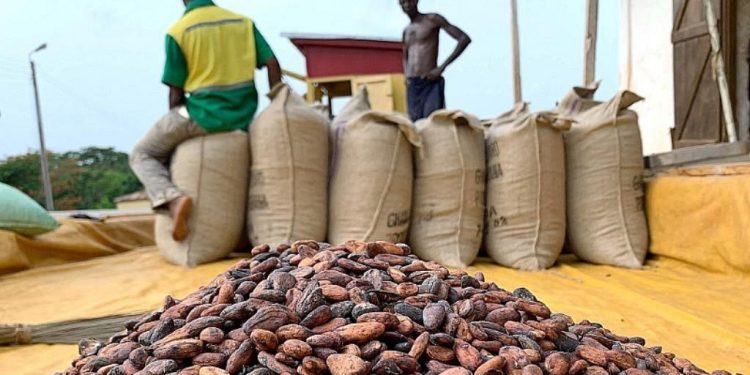
Ghana’s major exports are gold, cocoa, and crude oil. When these are sold abroad, they earn foreign currency. Export earnings are the primary source of dollars.
The problem is that export earnings are volatile. Gold, cocoa, and oil prices fluctuate on global markets. When prices are high, export earnings rise and the cedi receives support. When prices fall, earnings decline and the cedi weakens.
Remittances
Ghanaians living abroad send money home. These remittances are a significant source of foreign currency. They bring dollars into the country and support the cedi.
Remittances tend to be more stable than commodity prices, but they can also fluctuate based on economic conditions in the countries where Ghanaians work.
Foreign Investment
When foreign investors buy Ghanaian assets — bonds, shares, or direct investments in businesses — they bring dollars into the country. This supports the cedi.
But foreign investment can be fickle. If investors lose confidence, they can withdraw their money, creating outflows that pressure the cedi.
Borrowing
The government and private companies sometimes borrow in foreign currency. The borrowed dollars enter the economy and support the cedi in the short term. But the debt must eventually be repaid, with interest, creating future demand for dollars.
The Role of the Bank of Ghana
The Bank of Ghana influences the exchange rate in several ways.
Monetary Policy
The central bank sets the monetary policy rate, which affects interest rates across the economy. Higher interest rates can attract foreign investors seeking higher returns, increasing the supply of dollars and supporting the cedi. Lower interest rates can have the opposite effect.
Intervention
The Bank of Ghana can intervene directly in the foreign exchange market, selling dollars from its reserves to support the cedi or buying dollars to build reserves.
Intervention can smooth short-term volatility, but it cannot permanently change the underlying trend. If the fundamental forces — imports, exports, debt — are pushing the cedi down, intervention only delays the adjustment.
Communication
The central bank’s statements and policies influence expectations. If the Bank of Ghana signals a commitment to stability, it can calm speculation. If it is seen as weak or inconsistent, speculation can intensify.
Global Factors
The cedi is also affected by events far beyond Ghana’s borders.
US Interest Rates
When the US Federal Reserve raises interest rates, investors around the world move money into dollar assets to earn higher returns. This strengthens the dollar against most currencies, including the cedi.
Commodity Prices
Gold, cocoa, and oil prices affect Ghana’s export earnings. High commodity prices support the cedi. Low prices weaken it.
Global Risk Sentiment
In times of global uncertainty, investors seek safety. They move money into stable assets, often US dollars, and away from emerging markets like Ghana. This creates pressure on the cedi.
Why the Cedi Seems to Fall More Than It Rises
Many Ghanaians have noticed that the cedi tends to depreciate over time against the dollar. This is not an illusion.
The underlying reason is that Ghana’s demand for dollars — driven by imports, debt, and other outflows — tends to grow faster than the supply of dollars from exports, remittances, and investment. When demand consistently exceeds supply, the currency consistently depreciates.
Inflation also plays a role. If prices in Ghana rise faster than prices in the United States, the cedi’s purchasing power declines relative to the dollar. This is reflected in the exchange rate over time.
This does not mean the cedi never rises. It does, especially during periods of strong export earnings or high foreign investment. But the long-term trend has been depreciation, because the structural imbalance between dollar demand and supply persists.
What Exchange Rate Movements Mean for Ordinary Ghanaians
Prices
A weaker cedi makes imports more expensive. Since Ghana imports fuel, machinery, medicines, and some foods, a falling cedi feeds directly into inflation. Prices rise, and the cost of living increases.
Incomes
Wages and salaries do not adjust quickly to exchange rate movements. When the cedi falls, the real value of incomes declines, even if the cedi amount stays the same.
Savings
If you hold savings in cedis, a depreciating cedi reduces the real value of your money. This is why some people choose to hold dollars as a store of value.
Debt
For those with foreign currency debts, a weaker cedi makes repayment more expensive. For the government, a weaker cedi increases the cedi cost of servicing external debt.
Businesses
Businesses that import goods face higher costs when the cedi falls. Those that export may benefit, because their foreign earnings are worth more in cedis.
Common Misconceptions
“The government sets the exchange rate”
No. Ghana operates a floating exchange rate system. The rate is determined by the market, though the Bank of Ghana can influence it through policy and intervention.
“A weak cedi is always bad”
A weak cedi makes imports expensive, but it can make Ghanaian exports cheaper and more competitive abroad. The effect depends on the structure of the economy.
“The cedi falls because traders are greedy”
Traders respond to market conditions. If demand for dollars is high and supply is low, the price rises. Blaming traders ignores the underlying forces.
“The cedi can be fixed permanently”
No. Attempts to fix exchange rates usually fail when market forces push against them. The only sustainable way to strengthen the cedi is to change the underlying balance: more exports, less imports, more investment.
“Holding dollars is always better”
Dollars provide protection against cedi depreciation, but they also carry risks. Exchange rates move both ways, and holding foreign currency involves costs and uncertainties.
Frequently Asked Questions
Who determines the exchange rate?
The exchange rate is determined by supply and demand in the foreign exchange market. The Bank of Ghana can influence but not control it.
Why does the cedi keep falling?
Because Ghana’s demand for dollars, driven by imports and debt, tends to exceed the supply of dollars from exports, remittances, and investment. Inflation also contributes over time.
Can the Bank of Ghana stop the cedi from falling?
The Bank can intervene to smooth volatility and adjust monetary policy, but it cannot permanently reverse a fundamental imbalance.
What would strengthen the cedi?
More exports, fewer imports, higher foreign investment, lower external debt, and lower inflation would all support the cedi.
How does the exchange rate affect prices?
A weaker cedi makes imports more expensive, which raises prices across the economy.
Is it wise to save in dollars?
It depends on your goals and risk tolerance. Holding foreign currency can protect against cedi depreciation, but exchange rates are unpredictable.
What should businesses do about exchange rate risk?
Businesses can manage risk through careful pricing, hedging where available, and diversifying revenue and costs. Professional financial advice is recommended.
What to Remember
The cedi’s value is not set by anyone. It emerges from the daily interaction of buyers and sellers, shaped by imports, exports, debt, investment, and global forces. Understanding these forces does not make the exchange rate predictable, but it makes it legible.
The cedi tends to fall when demand for dollars outpaces supply. It rises when the opposite occurs. The long-term path of the currency depends on the underlying structure of the economy — what Ghana produces, what it consumes, and how it manages its external obligations.
The next time you see the exchange rate move, you will know why. It is not a plot. It is a market — and markets respond to real forces.
Source: The Accra Daily Mail

Samuel Kwame Boadu is a Ghanaian media entrepreneur and storyteller with a passion for amplifying urban voices and uncovering everyday truths. He is the Editor-in-Chief and Founder of The Accra Daily Mail, a dynamic digital platform dedicated to capturing the pulse of Ghana’s capital—its people, culture, challenges, business, sports and innovations.