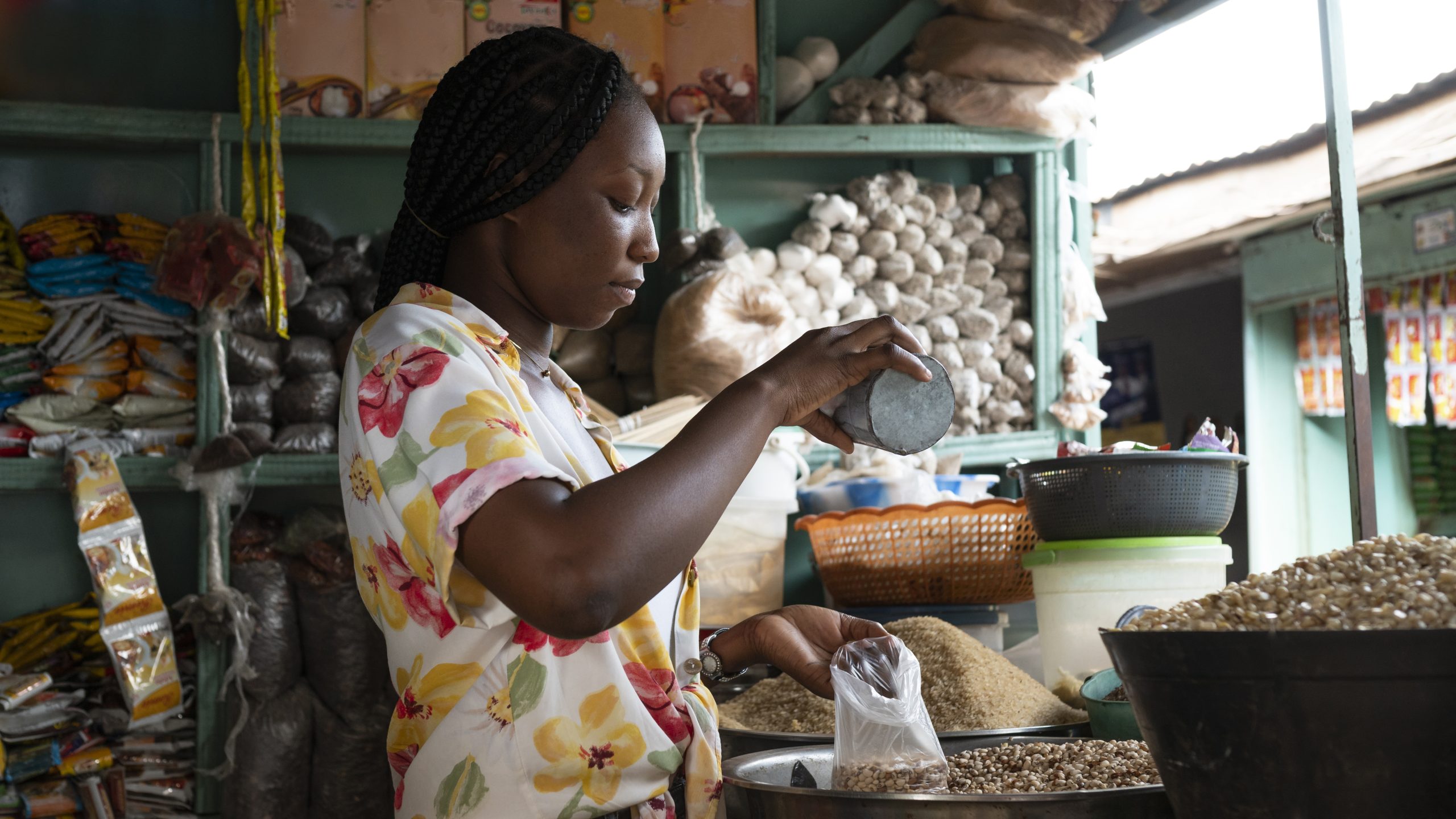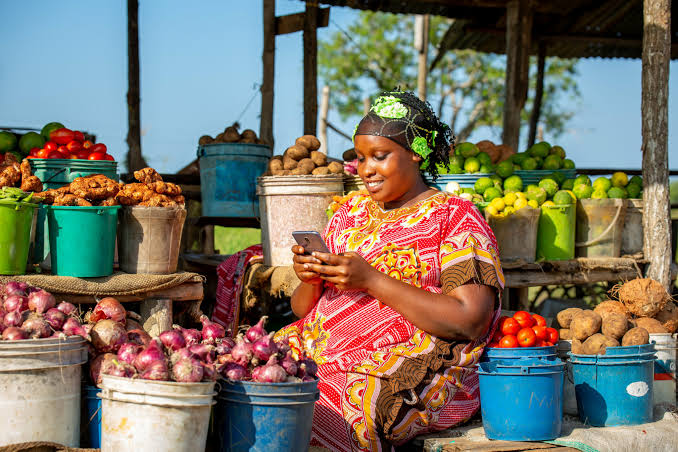












Walk through any Ghanaian market or business district and you will see it: traders with smartphones, young entrepreneurs managing Instagram pages, established companies posting daily on Facebook and TikTok. Social media has become so central to how Ghanaian businesses market themselves that it is easy to assume it is enough.
It is not.
Social media is a powerful tool. It is cheap, accessible, and familiar. But it is also rented ground. The rules can change without notice. Accounts can be suspended. Algorithms shift. Followers do not always become customers. And a business built primarily on rented platforms is a business with a fragile foundation.
This article explains why Ghanaian businesses — from the solo entrepreneur in Kumasi to the growing company in Accra — need to think beyond social media. It is not an argument against social platforms. It is an argument for building something more durable, more independent, and ultimately more profitable.
Quick Facts
-
Social media platforms are controlled by private companies that can change their algorithms, policies, and pricing at any time.
-
A social media following is not the same as a customer list. Followers cannot be contacted directly unless the platform allows it.
-
Many Ghanaian businesses rely heavily on WhatsApp, Instagram, Facebook, and TikTok for sales and customer communication.
-
Digital assets that a business owns — such as a website, an email list, and customer data — provide more control and long-term value.
-
Search engine optimisation and local business listings help customers find businesses without social media.
-
Diversifying sales and marketing channels reduces risk and builds resilience.
The Appeal of Social Media
Social media is attractive for obvious reasons. It is free to start. You can set up an Instagram or TikTok page in minutes. You do not need technical skills or a large budget. You can post a photo of your product, share your phone number, and start receiving orders within hours.
For many small businesses, this is the first and only digital presence they have. It is where their customers are, and it is where conversations happen. WhatsApp in particular has become the default business communication tool in Ghana. A business without a WhatsApp line is, for many customers, effectively invisible.
The appeal is not just about cost. Social media offers immediacy and intimacy. You can speak to customers directly, respond to comments, share behind-the-scenes content, and build a community. This is valuable. The problem begins when social media becomes the entire strategy rather than one part of it.
The Risks of Relying on Rented Platforms
Algorithms Change
Social media platforms are businesses. They make money by keeping users engaged and by selling advertising. To achieve this, they constantly adjust their algorithms — the automated systems that decide what content appears in front of whom.
A page with 50,000 followers may find that only a few hundred of those followers see a given post. Organic reach — the number of people who see your content without you paying for promotion — has declined on many platforms over the years. Businesses that once reached their audience for free now find they must pay for ads to achieve the same visibility.
The platform does not need to consult you before making these changes. Your business is a guest. The host can change the rules at any time.
Accounts Can Be Suspended or Hacked
A social media account can be suspended for reasons that are not always clear. A misunderstanding, a false report from a competitor, or a genuine mistake can lead to losing access to your page. Recovering an account is often difficult and slow. In some cases, the account is never restored.
Accounts can also be hacked. When a business loses control of its page, it loses access to its followers, its content history, and its customer conversations. For a business that relies entirely on that page, this is not an inconvenience. It is a crisis.
You Do Not Own Your Audience
This is the most important point. On social media, you do not own your audience. You borrow it. The followers you accumulate belong, in a practical sense, to the platform. You cannot download their contact details. You cannot message them outside the platform’s rules. If the platform disappears or your account is lost, your audience is gone.
Compare this with an email list. An email list is a collection of addresses that you own. You can contact your customers directly, whenever you want, without asking permission from a third party. If one email service provider becomes problematic, you can export your list and move to another. The relationship with your customers survives.
The Market Is Crowded
Everyone is on social media. That means the competition for attention is intense. Businesses are not just competing with other businesses; they are competing with friends, families, celebrities, news, and entertainment. Standing out requires constant posting, responding, and often paying for ads.
The effort is not necessarily wasted. But it is exhausting, and it can create a false sense of activity. A business can spend hours every day managing social media while neglecting other aspects of its operations that might deliver better returns.
Platform Dependency Creates Vulnerability
During internet disruptions, platform outages, or changes to platform policies, businesses that depend on social media lose their primary channel. This is not hypothetical. WhatsApp and Instagram have experienced outages in Ghana and elsewhere. When those services go down, business slows.
A business with its own website, email list, and offline sales channels can continue operating even when a social media platform fails. A business without those channels is at the mercy of the platform’s stability.
What Businesses Own vs What They Borrow
The distinction between owned and borrowed channels is fundamental.
Borrowed channels are platforms controlled by someone else. Social media is the clearest example. You can use it, but you do not control it. The terms of service, the algorithms, the reach, and the account itself all belong to the platform.
Owned channels are assets the business controls. They include:
-
A website
-
An email list
-
A customer database
-
A blog
-
A mobile app
-
A physical shop or office
Owned channels require more effort to build. A website must be designed, hosted, and maintained. An email list must be grown over time. A customer database requires consistent data entry. But once built, these assets belong to the business. They do not disappear when an algorithm changes.
Why a Website Still Matters
Some Ghanaian businesses assume that a website is unnecessary because “everyone is on Instagram.” This is a costly assumption.
A website serves several functions that social media cannot fully replace:
Credibility
A website signals that a business is established and serious. It provides a place where customers can learn about the business, see its products or services, and find contact details. Many customers, especially corporate clients and international buyers, expect a professional website.
Search Visibility
When someone searches on Google for a product or service in Ghana, a website can help the business appear in the results. Search engine optimisation — the practice of making a website more visible in search results — is a long-term strategy that social media cannot replicate.
Control
A website is fully under the business’s control. The business decides what appears, how it appears, and when it changes. There are no algorithms deciding whether customers see the content.
E-Commerce
A website can be a shop. Businesses can sell products directly, accept payments, and manage orders without relying on a social media platform. This does not mean abandoning social media; it means complementing it with a channel the business owns.
Data
A website can collect data about visitors: where they come from, what they look at, what they buy. This data helps the business understand its customers and improve its offerings. Social media platforms collect data too, but they do not share all of it with businesses.
The Value of an Email List
Email may seem old-fashioned, but it remains one of the most effective digital marketing tools. Email allows direct, personal communication with customers. It is not filtered by an algorithm. It does not disappear in a feed. It lands in the customer’s inbox and waits to be read.
Building an email list takes time. You need a reason for people to subscribe: a discount, useful information, early access to products. But once built, the list is an asset. You can announce new products, offer promotions, and build relationships without paying a platform for the privilege.
Email marketing is also measurable. You can see how many people opened a message, how many clicked, and how many made a purchase. This data helps refine the approach over time.
Other Channels Beyond Social Media
Marketplaces and Local Listings
For some businesses, listing on online marketplaces or local directories makes sense. In Ghana, platforms that list local businesses can help customers find you. Being present in multiple places reduces dependence on any one channel.
Physical Presence
Digital channels are important, but physical presence still matters. A visible shop, a market stall with regular hours, a signboard that people pass every day — these build familiarity and trust. For many Ghanaian businesses, the physical location is the primary asset, and digital channels should support it, not replace it.
Word of Mouth and Community
The oldest form of marketing is still powerful. Satisfied customers tell others. Community relationships, referrals, and repeat customers form the backbone of many successful Ghanaian businesses. Social media can amplify word of mouth, but it cannot replace the underlying quality of the product or service.
SMS and Phone Calls
In Ghana, the phone call is a primary business tool. SMS marketing, while less glamorous than social media, can reach customers directly. A simple text message with an offer or a reminder is often read when an email would be ignored.
Traditional Media
Radio and television still matter in Ghana, especially for reaching older demographics and building brand recognition. The cost may be higher than social media, but the reach can be substantial.
How to Build Beyond Social Media
Start with the Basics
The first step is simple: open a WhatsApp Business account if you have not already. This gives you a separate line for business and access to basic tools like catalogues and automated replies. But do not stop there.
Create a Simple Website
A basic website does not need to be expensive or complex. A one-page site with your business name, what you sell, your location, and your contact details is enough to start. You can expand it later. Several affordable platforms make it possible to build a simple site without technical expertise.
Collect Customer Information
Every time you make a sale, ask for the customer’s phone number or email address. Keep a record. Over time, this record becomes a valuable asset. You can use it to send updates, offer promotions, and build loyalty.
Use Multiple Channels
Post on social media, but also send emails, make phone calls, and maintain your physical presence. The goal is not to abandon any channel but to avoid dependence on any single one.
Invest in Search Visibility
When customers search for what you sell, they should find you. List your business on Google Business Profile. Use clear descriptions of your products and services. Encourage satisfied customers to leave reviews.
Think Long-Term
Social media rewards speed and frequency. Building owned channels rewards patience and consistency. The effort may not produce immediate results, but the value compounds over time. A website that has existed for three years, an email list built steadily, a customer database maintained carefully — these are assets that appreciate.
Common Misconceptions
“Social media is free, so it’s all I need”
Social media is free to start, but it is not free to sustain. The time you spend posting, responding, and managing accounts is a cost. And the moment you need to reach more than a fraction of your followers, you will likely have to pay for ads. “Free” is not the same as “without cost.”
“If I have many followers, I have a business”
Followers are not customers. A page with 100,000 followers may produce very few sales if the followers are not interested in what you sell or if the algorithm does not show them your content. Conversion — turning attention into revenue — is what matters.
“Only young people buy online”
Digital commerce in Ghana is not limited to the young. People of all ages use WhatsApp, make mobile money payments, and search for products online. The question is not age but access and convenience.
“A website is too expensive and technical”
Simple websites are more affordable than ever. The cost of a basic site is often less than the cost of a few months of paid social media ads. And unlike ads, the website continues to work after you stop paying.
“I don’t need to worry about algorithms”
If you rely on social media for reach, algorithms affect you. They determine who sees your content and when. Understanding this is essential, even if you do not need to become a technical expert.
Frequently Asked Questions
Do I need to leave social media?
No. Social media is a valuable channel. The point is not to abandon it but to complement it with channels you own and control.
What is the first step for a small business?
Start collecting customer contact information. Create a simple website or at least a business listing. Use WhatsApp Business if you have not already. These steps cost little and build a foundation.
How much does a basic website cost?
The cost varies depending on the platform, the design, and the features. A simple one-page site can be built for a modest amount, and maintenance costs are low. Compare options before deciding.
Can I sell without social media?
Yes. Businesses sold for generations before social media existed, and many still do. Phone calls, SMS, physical shops, word of mouth, and direct relationships all work. Social media is one tool among many.
What is the biggest risk of relying on social media?
The biggest risk is losing access to your audience. If your account is suspended, hacked, or rendered less visible by algorithm changes, your business loses its primary channel overnight. Diversification reduces this risk.
How do I build an email list?
Offer a reason to subscribe. This could be a discount, a free guide, early access to new products, or useful information. Ask for email addresses at every point of contact: in person, on your website, and in your social media communications.
Does search engine optimisation matter for small businesses?
Yes. When people search for products or services you offer, you want to appear in the results. Basic practices — clear descriptions, accurate listings, regular updates, customer reviews — can improve your visibility.
What to Remember
Social media is a tool, not a foundation. It is excellent for reaching people, starting conversations, and building awareness. But it is borrowed ground. The platform controls the rules, the reach, and the relationship with your audience.
A business that thinks beyond social media builds assets it owns: a website, a customer list, a reputation that exists independently of any platform. These assets take longer to build, but they are more durable and more valuable in the long run.
The smart approach is not either social media or something else. It is both. Use social media to attract attention and start relationships. Then move those relationships onto channels you control. That is how businesses build resilience, reduce risk, and create lasting value.
The next time you post on Instagram or TikTok, ask yourself: if this platform disappeared tomorrow, would my business survive? If the answer is no, it is time to start building beyond it.
Source: The Accra Daily Mail

Samuel Kwame Boadu is a Ghanaian media entrepreneur and storyteller with a passion for amplifying urban voices and uncovering everyday truths. He is the Editor-in-Chief and Founder of The Accra Daily Mail, a dynamic digital platform dedicated to capturing the pulse of Ghana’s capital—its people, culture, challenges, business, sports and innovations.