






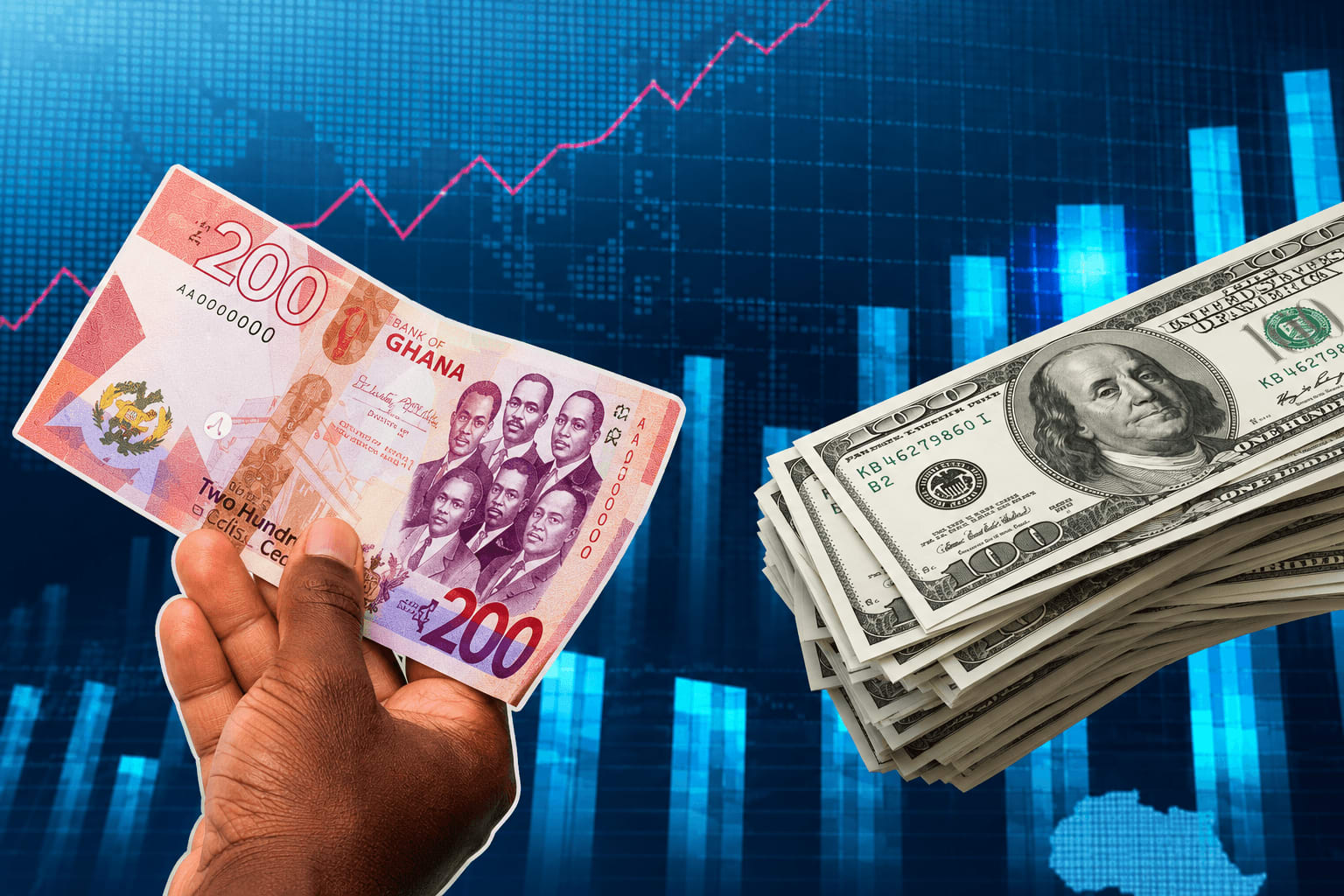

Every day, Ghana uses foreign currency. The fuel in your car was likely imported and paid for in dollars. The phone in your pocket was probably manufactured abroad and bought with foreign exchange. The medicines in the pharmacy, the machinery in the factories, the fertiliser on the farms — all of these often require dollars, euros, or pounds to bring into the country.
Yet many people do not think about where those dollars come from. They see the cedi in their pocket and assume that is all there is. But behind the cedi is a constant, complex flow of foreign currency that keeps the economy running.
This article explains why Ghana needs foreign exchange, where it comes from, and why the balance between inflows and outflows matters so much. It is written for ordinary readers who want to understand a fundamental part of how the economy works.
Quick Facts
-
Foreign exchange is foreign currency — mainly US dollars, euros, and pounds — used for international transactions.
-
Ghana needs foreign exchange to pay for imports, service external debt, and meet other international obligations.
-
The main sources of foreign exchange are exports, remittances, foreign investment, and borrowing.
-
When outflows of foreign exchange exceed inflows, pressure builds on the cedi.
-
The balance between foreign exchange supply and demand is one of the most important forces shaping the economy.
-
The Bank of Ghana manages the country’s foreign exchange reserves.
-
A healthy foreign exchange position supports the cedi, controls inflation, and underpins economic stability.
What Foreign Exchange Is
Foreign exchange is foreign currency — money issued by other countries that is used in international transactions. In Ghana, the most important foreign currency is the US dollar, but euros, pounds sterling, and other currencies also matter.

Foreign exchange is essential because the world does not use cedis. When Ghana buys goods from China, the supplier wants to be paid in a currency they can use — usually dollars. When the government pays interest on a loan from a foreign bank, the payment is in foreign currency. When a Ghanaian student pays tuition in London, the university wants pounds, not cedis.
This simple fact — that international transactions require foreign currency — is the foundation of everything else in this article.
Why Ghana Needs Foreign Exchange
To Pay for Imports
The largest and most constant need for foreign exchange is imports. Ghana imports a wide range of goods:

-
Fuel and petroleum products
-
Machinery and equipment
-
Vehicles and spare parts
-
Medicines and medical supplies
-
Food products, including rice, poultry, and cooking oil
-
Electronics and consumer goods
-
Raw materials for manufacturing
Every one of these imports must be paid for in foreign currency. The total import bill runs into billions of dollars each year. This is the single biggest driver of demand for foreign exchange.
To Service External Debt
Ghana has borrowed significant amounts from foreign lenders: governments, international institutions, and private investors. Servicing this debt — paying interest and principal — requires foreign currency.
When debt payments come due, the government must convert cedis into dollars or other foreign currencies to make the payments. This is a major and growing demand for foreign exchange.

The recent domestic debt exchange addressed cedi-denominated debt, but external debt remains a significant obligation. External debt service is one of the most rigid demands for foreign currency — it must be paid on schedule, regardless of economic conditions.
To Support International Transactions
Beyond imports and debt, foreign exchange is needed for a range of international transactions:
-
Paying for foreign education and medical treatment
-
Funding foreign travel
-
Paying for foreign services, such as consultancy, insurance, and technology
-
Repatriating profits by foreign companies operating in Ghana
-
Investing abroad
These outflows are smaller than imports and debt, but they add up.
To Build Reserves
The Bank of Ghana holds foreign exchange reserves — a stock of foreign currency that can be used to intervene in the market, support the cedi, and meet external obligations.
Building and maintaining reserves requires foreign exchange. Reserves act as a buffer against shocks: if export earnings fall or investors withdraw, the reserves can be drawn down to smooth the adjustment.
Where the Dollars Come From
Exports
Exports are the most fundamental source of foreign exchange. When Ghana sells goods and services abroad, it earns foreign currency.
Ghana’s major exports are:
-
Gold
-
Cocoa
-
Timber and wood products
-
Cashew and other agricultural products
-
Services, including tourism and business services
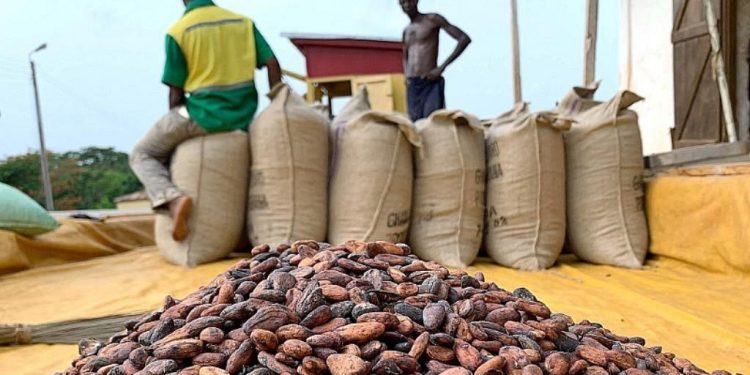
Gold is by far the largest export earner. Cocoa has historically been central, though its relative importance has declined. Oil, since production began in 2010, has become a major source of export revenue.
The challenge is that these exports are dominated by raw materials whose prices fluctuate on global markets. When prices are high, export earnings rise. When prices fall, earnings decline. This volatility makes the foreign exchange position unstable.
Remittances
Ghanaians living abroad send money home. These remittances are a major source of foreign exchange — often larger than many people realise.
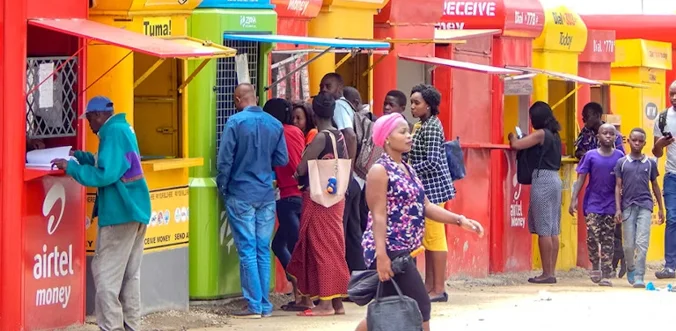
Remittances are sent through banks, money transfer operators, and increasingly through mobile money. The funds are used for family support, education, health, and investment.
Remittances tend to be relatively stable compared with commodity prices, because they are driven by family obligations rather than market conditions. However, they can decline during economic downturns in host countries.
Foreign Investment
Foreign investment brings foreign currency into Ghana.
Foreign direct investment occurs when foreign companies set up operations, buy assets, or invest in Ghanaian businesses. Portfolio investment occurs when foreign investors buy Ghanaian bonds, shares, and other securities.
Foreign investment is valuable because it brings not only foreign exchange but also capital, technology, and expertise. But it can be volatile. Portfolio investment, in particular, can flow out quickly if investors lose confidence or if global conditions change.
Borrowing
The government and private companies sometimes borrow in foreign currency. The borrowed dollars enter the economy and add to the supply of foreign exchange.
Borrowing can support the cedi in the short term. But it creates future obligations: the debt must be repaid, with interest, in foreign currency. Borrowing is therefore a double-edged sword — a source of foreign exchange today and a demand for it tomorrow.
Foreign Aid and Grants
Foreign aid and grants from development partners also bring foreign exchange into the country. These flows support government budgets and development projects. However, they are often tied to specific programmes and can be unpredictable.
The Balance: Why It Matters
The value of the cedi, the rate of inflation, and the stability of the economy all depend on the balance between foreign exchange inflows and outflows.
When inflows exceed outflows, the supply of foreign currency is plentiful. The cedi is supported, and the central bank can build reserves.
When outflows exceed inflows, the opposite occurs. Demand for dollars exceeds supply, and the cedi comes under pressure. Prices rise, because imports become more expensive. The cost of living increases.
This is why the foreign exchange position is so closely watched. It is not an abstract financial statistic. It is the measure of whether Ghana is earning enough from the rest of the world to pay for what it buys from the rest of the world.
Ghana’s Structural Challenge
Ghana faces a persistent structural challenge: the demand for foreign exchange tends to outstrip the supply.
The import bill is large and growing. External debt obligations are significant. Export earnings, while substantial, are volatile and dominated by raw materials with fluctuating prices.
The result is recurring pressure on the cedi and periodic foreign exchange shortages. This pattern has repeated itself throughout Ghana’s history: periods of relative stability followed by episodes of depreciation and crisis.
Solving this structural problem requires changing the underlying balance: producing more at home to reduce imports, adding value to exports to earn more from them, diversifying the export base, and managing external debt carefully. These are long-term tasks, but they are essential.
The Role of the Bank of Ghana
The Bank of Ghana manages the country’s foreign exchange reserves and oversees the foreign exchange market.
The central bank can:
-
Buy and sell foreign currency to influence the exchange rate
-
Manage reserves to meet external obligations
-
Use monetary policy to influence capital flows
The Bank’s actions can smooth short-term volatility, but they cannot change the fundamental balance. The underlying forces — exports, imports, debt, and investment — are determined by the structure of the economy, not by central bank intervention.
What This Means for Ordinary Ghanaians
The foreign exchange position affects everyone.
When foreign exchange is scarce, the cedi falls. Imports become more expensive. Fuel prices rise. Food prices rise. The cost of living increases. Businesses that rely on imported inputs struggle. The real value of savings declines.
When foreign exchange is abundant, the opposite occurs. The cedi stabilises or strengthens, prices moderate, and confidence improves.
This is why the foreign exchange question is not just for economists and policymakers. It is a question about whether the economy is earning enough to pay its way in the world — and whether ordinary people can afford the lives they are trying to live.
Common Misconceptions
“The government can print dollars”
No. The government cannot print foreign currency. Dollars must be earned through exports, investment, remittances, or borrowed from foreign lenders.
“Foreign exchange is only about the cedi rate”
The exchange rate is the visible symptom, but the underlying issue is the balance between inflows and outflows. The rate reflects that balance.
“Remittances are not important”
Remittances are one of Ghana’s most important sources of foreign exchange. They are often more stable than export earnings.
“Borrowing always helps”
Borrowing provides foreign exchange today but creates obligations tomorrow. Excessive borrowing can worsen the very problem it was meant to solve.
“Only the government needs foreign exchange”
Everyone uses foreign exchange indirectly. The fuel you buy, the goods you import, the services you use — all depend on foreign currency.
Frequently Asked Questions
Why can’t Ghana just use cedis for everything?
International suppliers, lenders, and investors require payment in currencies they can use. Ghana cannot force the rest of the world to accept cedis.
What is Ghana’s biggest source of foreign exchange?
Gold is currently the largest export earner, followed by other commodities and remittances. The exact rankings change from year to year.
Why are remittances important?
Remittances from Ghanaians abroad bring foreign currency into the country and support millions of households. They are a stable and significant source.
What happens when Ghana runs out of dollars?
The cedi depreciates, imports become more expensive, and economic pressure mounts. The central bank may ration foreign exchange or draw down reserves.
How can Ghana earn more foreign exchange?
By exporting more, adding value to raw materials, diversifying exports, attracting stable investment, and reducing unnecessary imports.
Does the Bank of Ghana control the exchange rate?
The Bank can influence the rate through intervention and policy, but the underlying balance of supply and demand determines the trend.
What can ordinary people do?
Understanding the issue is the first step. Supporting local products reduces import demand. Managing personal finances prudently protects against currency risk.
What to Remember
Foreign exchange is the lifeblood of an open economy. Ghana needs it to import, to service debt, and to engage with the world. It earns it through exports, remittances, investment, and borrowing.
The balance between inflows and outflows shapes the value of the cedi, the level of prices, and the stability of the economy. When the balance is unfavourable, everyone feels the effects.
The long-term answer is not more borrowing or tighter controls. It is structural change: producing more at home, earning more from exports, and managing obligations wisely. That is how a country secures its place in the global economy — and how it protects the living standards of its people.
Source: The Accra Daily Mail

Samuel Kwame Boadu is a Ghanaian media entrepreneur and storyteller with a passion for amplifying urban voices and uncovering everyday truths. He is the Editor-in-Chief and Founder of The Accra Daily Mail, a dynamic digital platform dedicated to capturing the pulse of Ghana’s capital—its people, culture, challenges, business, sports and innovations.