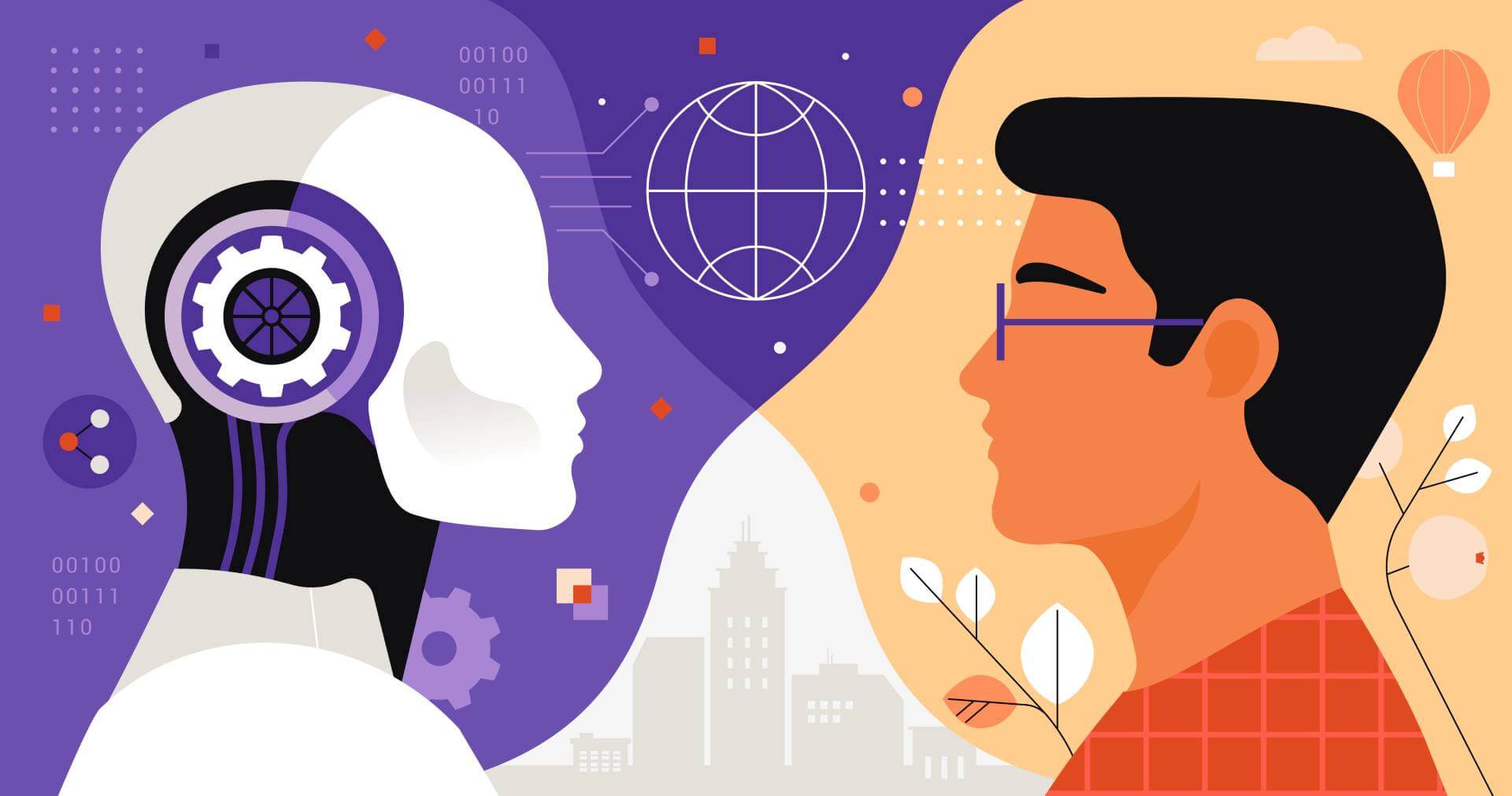












The conversation about artificial intelligence and jobs often swings between two extremes. On one side, there is fear that machines will take over and leave millions unemployed. On the other, there is optimism that AI will create new industries and make work easier. The reality, as usual, is more complicated.
In Ghana, AI is not arriving as a single dramatic event. It is entering the economy gradually, through mobile money fraud detection, banking chatbots, agricultural tools, customer service systems, and design software. Some jobs are being affected already. Others will be affected in the coming years. And many jobs will change rather than disappear.
This article explains what is happening, what is likely to happen, and what workers, students, and policymakers should understand. It is written for ordinary Ghanaians who want a realistic picture, free of hype and fear.
Quick Facts
-
AI is already used in Ghana’s banking, telecom, agriculture, health, and customer service sectors.
-
Jobs that involve routine, repetitive tasks are most exposed to automation.
-
Jobs that require human judgement, physical dexterity, emotional intelligence, and local knowledge are less exposed.
-
Many jobs will change rather than disappear. Workers will use AI tools to do their work faster or differently.
-
New jobs are emerging in data annotation, AI support, software development, and digital services.
-
Ghana’s informal sector, which employs most workers, is less directly exposed to automation but will still feel indirect effects.
-
Education and training systems need to adapt to prepare workers for an AI-influenced economy.
Where AI Is Already Being Used in Ghanaian Workplaces
Banking and Finance
The financial sector has been among the earliest adopters of AI in Ghana. Banks and mobile money operators use AI systems to detect fraud, assess credit risk, and automate customer support.
Fraud detection is a good example. Mobile money transactions happen in enormous volumes every day. It would be impossible for human analysts to review every transaction. AI systems monitor transactions in real time, flag unusual patterns, and block suspicious activity. This protects customers and reduces losses.
Credit scoring is another area. Many Ghanaians do not have formal credit histories. AI systems can analyse alternative data — mobile money usage, airtime purchases, bill payments — to estimate whether a person is likely to repay a loan. This expands access to credit but also raises questions about fairness and transparency.
Some banks use chatbots to answer routine customer questions. Instead of waiting in a queue to speak to a human agent, customers can get quick answers about balances, transactions, and account issues. This changes the work of customer service staff, shifting them toward handling more complex cases.
Telecommunications
Telecom companies use AI for network optimisation, customer analytics, and service delivery. AI helps manage network traffic, predict demand, and identify potential failures before they happen.
Customer service is also changing. Chatbots and automated voice systems handle a growing share of routine inquiries. This reduces the need for large call centre teams focused on simple queries, while increasing the need for staff who can handle escalations and complex problems.
Agriculture
Agriculture employs a large share of Ghana’s workforce, and AI is beginning to make inroads. Applications include satellite image analysis for crop monitoring, weather prediction models, and mobile apps that help farmers identify pests and diseases.
Some projects use AI to analyse photos of crops taken with smartphones. The system identifies signs of disease and suggests possible interventions. Other tools provide advice on planting times based on weather data.
These tools are not replacing farmers. They are supporting them. A farmer with a smartphone can access information that was previously available only through extension officers, who are often in short supply.
Healthcare
AI is being tested and deployed in healthcare settings. Applications include tools that assist with interpreting medical images, systems that predict disease outbreaks, and chatbots that provide basic health information.
In Ghana, researchers have explored using AI to support malaria diagnosis, maternal health monitoring, and disease surveillance. Some of these efforts are pilots. Others are being integrated into larger health programmes.
The goal is not to replace doctors and nurses. It is to help them work more effectively, especially in under-resourced areas. AI can flag cases that need urgent attention, process large amounts of data, and provide decision support.
Retail and E-Commerce
Online businesses and some traditional retailers are using AI for inventory management, demand forecasting, and personalised marketing. AI systems analyse sales data to predict which products will sell, helping businesses avoid overstocking or running out of popular items.
Some e-commerce platforms use recommendation algorithms similar to those used by global companies. These systems suggest products based on browsing and purchase history, increasing sales and improving customer experience.
Creative and Administrative Work
Generative AI tools are being used by writers, marketers, designers, and administrators in Ghana. These tools can draft emails, write social media posts, generate images, summarise documents, and create presentations.
This does not necessarily eliminate jobs, but it changes them. A marketing assistant who once spent hours drafting content may now use AI to produce a first draft and then edit it. A graphic designer may use AI to generate concepts and then refine them. The work shifts from production to review and improvement.
Which Jobs Are Most Exposed to Automation?
Jobs that involve routine, predictable tasks are most exposed to automation. This includes:
-
Data entry and basic data processing
-
Routine customer service inquiries
-
Simple bookkeeping and record keeping
-
Telemarketing and scripted sales calls
-
Basic translation and transcription
-
Repetitive administrative tasks
These jobs share common features. They follow clear rules, require little complex judgement, and can be described in a way that a machine can learn from examples.
It is important to note that “exposed to automation” does not always mean “will disappear.” In many cases, only parts of a job are automated. The role changes, and the worker is expected to do different tasks.
Which Jobs Are Less Exposed?
Jobs that require human judgement, physical presence, emotional intelligence, and local knowledge are less exposed. These include:
-
Healthcare workers who interact directly with patients
-
Teachers and trainers
-
Social workers and counsellors
-
Skilled tradespeople: electricians, plumbers, carpenters, mechanics
-
Farmers and agricultural workers who work in complex, variable environments
-
Market traders who build personal relationships with customers
-
Community leaders and local organisers
-
Creative professionals who draw on lived experience and cultural context
These jobs involve skills that AI cannot easily replicate: empathy, adaptability, physical dexterity, ethical judgement, and deep understanding of local conditions.
The Informal Sector
Most Ghanaians work in the informal sector. Traders, artisans, drivers, farmers, hairdressers, tailors, and many others operate outside formal employment structures. The direct impact of AI on these workers is limited in the short term. AI does not yet replace a seamstress or a trotro driver.
But the indirect effects matter. If AI reduces costs for formal businesses, informal businesses may face stiffer competition. If AI tools become essential for marketing, record keeping, or customer communication, informal businesses that cannot access these tools may fall behind.
There is also an opportunity. AI tools are becoming more accessible through smartphones. A market trader can use a free chatbot to draft a business message, manage inventory, or learn about pricing trends. The challenge is ensuring that these tools are available in local languages and usable by people with limited formal education.
New Jobs and Opportunities
AI is not only taking tasks away. It is creating new work. Some of the emerging opportunities in Ghana include:
Data Annotation and Preparation
AI systems need labelled data to learn. People are needed to label images, transcribe audio, and prepare datasets. Some of this work is already being done remotely by workers in African countries, including Ghana. The pay varies, and the work can be tedious, but it is a real source of income.
AI Development and Engineering
Ghana has a growing technology sector. Developers who understand how to build, deploy, and maintain AI systems are in demand. This includes software engineers, data scientists, and machine learning specialists. These roles require significant training, but they offer good prospects.
AI Support and Maintenance
As businesses adopt AI tools, they need people to manage them. This includes setting up systems, monitoring performance, troubleshooting problems, and training staff. These roles may not require deep technical expertise but do require practical knowledge.
AI-Aided Creative and Professional Services
Professionals who learn to use AI tools effectively can increase their productivity and offer new services. A lawyer can use AI to review documents faster. A journalist can use AI to transcribe interviews and draft summaries. A designer can use AI to generate concepts. The value lies in combining AI with human judgement.
Teaching and Training
As AI spreads, there is growing demand for people who can teach others how to use it. This includes formal educators, corporate trainers, and informal mentors. Understanding AI is becoming a marketable skill in its own right.
How Workers Can Prepare
Learn to Use the Tools
The most important step is to experiment with AI tools. Many are free or inexpensive. Try a chatbot. Use an image generator. Explore AI features in apps you already use. Comfort with these tools is becoming a baseline skill.
Focus on Human Strengths
Develop skills that AI cannot replicate: communication, empathy, leadership, ethical judgement, creativity, and problem-solving in complex situations. These skills become more valuable as routine tasks are automated.
Build Digital Literacy
Digital literacy is no longer optional. Understanding how to use smartphones, apps, and online platforms is essential. This includes knowing how to protect your privacy and avoid misinformation.
Stay Adaptable
The economy is changing, and the pace of change is accelerating. Be willing to learn new things throughout your career. Do not assume that the skills that got you a job will keep you there forever.
Seek Local Knowledge
Understanding Ghanaian markets, languages, culture, and institutions is a competitive advantage. AI models trained on global data often struggle with local contexts. Workers who know the local terrain will remain valuable.
What Employers and Policymakers Should Consider
Invest in Training
Employers should invest in helping their workers learn to use AI tools. This is often cheaper than replacing workers and preserves institutional knowledge.
Ensure Fairness
AI systems used in hiring, credit, and performance evaluation must be fair and transparent. Employers should understand how these systems work and be prepared to explain decisions that affect people’s lives.
Close the Digital Divide
Policymakers should work to ensure that AI tools and digital infrastructure reach all parts of the country, not just urban centres. This includes reliable electricity, affordable internet, and devices.
Update Education
Schools and universities should teach digital literacy and AI awareness alongside traditional subjects. Students should learn how to use AI tools ethically and effectively.
Protect Workers
As the economy shifts, some workers will need support. Social safety nets, retraining programmes, and policies that encourage job creation will matter.
Common Misconceptions
“AI will take all the jobs”
No. Some jobs will disappear, some will change, and new ones will emerge. The impact will be uneven, and the transition will be difficult for some, but the economy will not simply run out of work.
“Only tech workers need to understand AI”
AI is affecting many sectors, including agriculture, health, banking, and retail. Workers in every field should have at least a basic understanding of what AI is and how it might affect their work.
“Ghana is too far behind for AI to matter”
AI is already being used in Ghana, particularly in finance and telecom. The question is not whether AI will matter, but how widely and fairly its benefits will be shared.
“AI will only destroy jobs, not create them”
AI creates demand for new skills and new services. Data annotation, AI support, and digital services are examples. The balance between job loss and job creation depends on policy, investment, and education.
“If I ignore AI, it will go away”
AI is not going away. Ignoring it does not protect you. Understanding it and adapting to it does.
Frequently Asked Questions
Which jobs are safest from AI?
Jobs that require human judgement, physical presence, emotional intelligence, and local knowledge are generally safer. Healthcare, teaching, skilled trades, and community-based work are examples.
Can AI replace teachers?
No, but it can support teachers by helping with lesson planning, grading, and personalised learning. The human relationship between teacher and student remains essential.
Will AI affect the informal sector?
Indirectly, yes. AI tools may become available to informal businesses, but those without access or skills may fall behind. Competition from more efficient formal businesses could also increase.
How can I learn to use AI tools?
Start with free tools. Try chatbots, image generators, and AI features in apps you already use. Online courses and tutorials can help you go further.
Are AI jobs available in Ghana?
Yes, though the market is still developing. Roles in software development, data annotation, AI support, and digital services exist. The technology sector is growing, but competition is also increasing.
Should I be worried about losing my job to AI?
The best response is not fear but preparation. Learn about AI, develop your human skills, and stay adaptable. Workers who can use AI effectively will be in a stronger position than those who cannot.
What should students study to prepare for an AI-influenced economy?
Technical skills matter, but so do communication, problem-solving, ethics, and creativity. Combining technical knowledge with human skills is the strongest preparation.
What to Remember
AI is changing jobs in Ghana, but the change is gradual and uneven. Some sectors — banking, telecom, customer service — are already feeling it. Others are just beginning to see the effects. The informal sector, which employs most Ghanaians, will be affected less directly in the short term but will not be untouched.
The most important thing is to understand that AI is a tool. It can automate routine tasks, but it cannot replace human judgement, empathy, creativity, or local knowledge. Workers who combine technical comfort with these human strengths will be well positioned.
The future of work in Ghana will not be determined by AI alone. It will be shaped by the choices that workers, employers, and policymakers make. Understanding those choices — and participating in the conversation — is the first step.
Source: The Accra Daily Mail

Samuel Kwame Boadu is a Ghanaian media entrepreneur and storyteller with a passion for amplifying urban voices and uncovering everyday truths. He is the Editor-in-Chief and Founder of The Accra Daily Mail, a dynamic digital platform dedicated to capturing the pulse of Ghana’s capital—its people, culture, challenges, business, sports and innovations.