




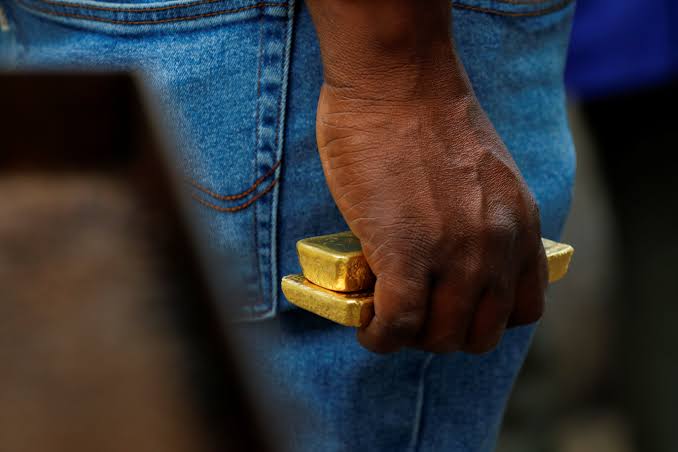

Ghana is rich in natural resources. Gold, cocoa, and oil are the three most important, and together they dominate the country’s export earnings. They are the pillars on which much of the economy rests — the sources of foreign exchange, government revenue, and livelihoods for millions.
Yet the way Ghana makes money from these resources is often misunderstood. Some assume that because the country has gold and oil, it must be wealthy. Others see the resources as a curse, bringing pollution and corruption rather than prosperity. The truth lies somewhere in between.
This Accra Daily Mail article explains how Ghana earns money from gold, cocoa, and oil. It covers how each resource is produced, how revenue is generated, where the money goes, and the challenges that prevent these resources from doing more for ordinary Ghanaians.
Quick Facts
-
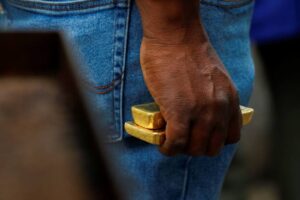
Gold is Ghana’s largest export earner, contributing billions of dollars annually.
-
Cocoa is Ghana’s most important agricultural export and a major source of rural income.
-
Oil production began commercially in 2010 and has since become a significant source of revenue.
-
Together, gold, cocoa, and oil account for the bulk of Ghana’s export earnings.
-
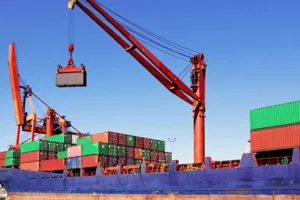
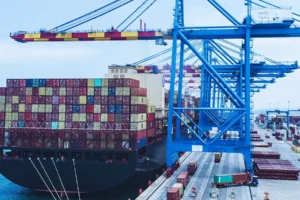
The resources are primarily exported as raw or semi-processed materials, limiting the value captured locally.
-
Revenue from natural resources is subject to specific laws and institutions, including the Minerals Commission, COCOBOD, and the Petroleum Commission.
-
Natural resource revenues are vulnerable to global price swings, creating economic volatility.
The Three Pillars
Ghana’s economy has historically rested on primary commodities. Gold has been mined for centuries. Cocoa has been cultivated since the late nineteenth century and became the backbone of the colonial and post-independence economy. Oil is the newcomer, beginning commercial production in 2010.
Each resource operates in a different way, with different institutions, markets, and challenges. But together they share a common feature: they are exported as raw or lightly processed materials, and their prices are set on global markets over which Ghana has little control.
Gold: The Biggest Earner
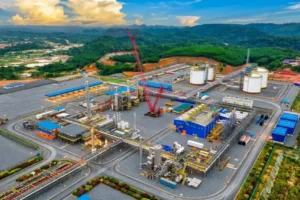
How Gold Is Produced
Gold is mined in Ghana by a mix of large-scale mining companies and small-scale miners.
Large-scale mining is dominated by multinational companies operating under licences from the government. These companies use modern methods — open-pit and underground mining — and produce the bulk of Ghana’s official gold output.
Small-scale mining, known in Ghana as galamsey, ranges from licensed small-scale operations to illegal mining. Small-scale mining is labour-intensive and often environmentally destructive. It employs many people but operates with limited oversight.
How Revenue Is Generated
Gold earns money in several ways:
-
Export earnings: the gold is sold abroad, bringing foreign exchange into the country.
-
Royalties and taxes: mining companies pay royalties, corporate taxes, and other levies to the government.
-
Employment and local spending: mines create jobs and purchase local goods and services.
The Minerals Commission regulates the industry, and the government has sought to increase the share of revenue it captures through taxes and royalties.
Where the Money Goes
The revenue from gold flows to the government through the tax system and the mining royalty regime. It is then allocated through the national budget.
Some of the revenue has been earmarked for specific purposes. Historically, mineral royalties have been paid into funds intended to support development in mining communities and future generations, though the operation of these funds has been criticised for lack of transparency.
The Challenges
Gold mining in Ghana faces serious challenges:
-
Illegal mining has caused widespread environmental damage, polluting rivers and destroying farmland.
-
The revenue captured by the state is often less than it should be, due to tax avoidance, transfer pricing, and weak enforcement.
-
Mining is capital-intensive and creates relatively few jobs compared with the value of the resource.
-
Gold prices fluctuate on global markets, making revenue volatile.
Cocoa: The Agricultural Backbone
How Cocoa Is Produced
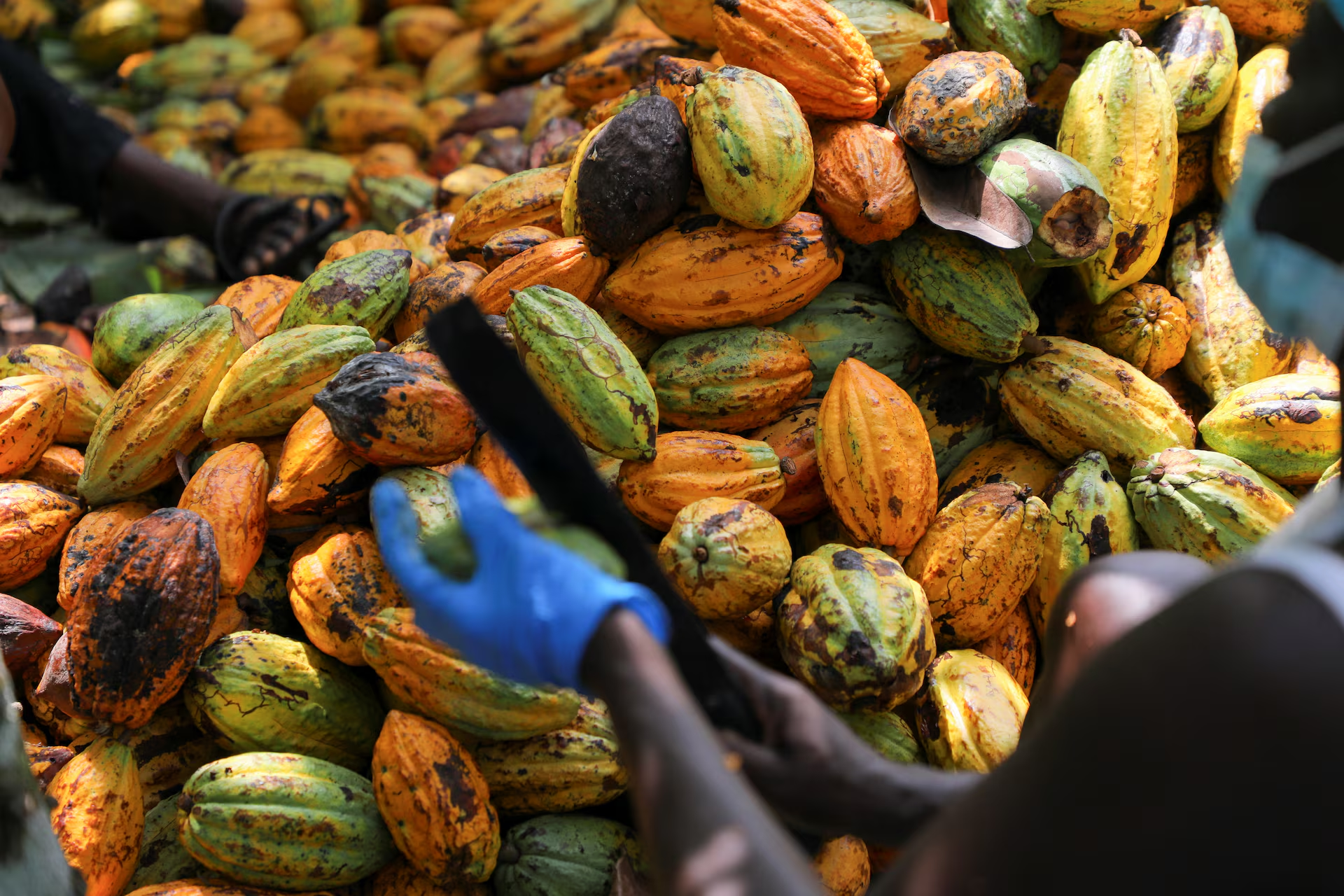
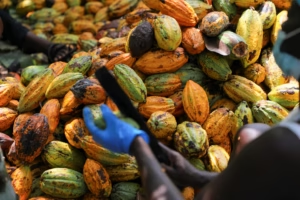
Cocoa is grown mainly by smallholder farmers, many of whom cultivate a few hectares using traditional methods. The main cocoa-growing areas are in the Western, Ashanti, Eastern, Central, and Brong-Ahafo regions.
Farmers harvest cocoa pods, extract the beans, ferment them, and dry them in the sun. The dried beans are sold to Licensed Buying Companies, which deliver them to the Ghana Cocoa Board.
How Revenue Is Generated
COCOBOD sets the producer price paid to farmers each season. It then sells the beans on the international market, earning foreign exchange.
The difference between the producer price and the export price covers COCOBOD’s operations, farmer support programmes, and contributions to government revenue.
Cocoa is a major source of foreign exchange, though its relative share of export earnings has declined as gold and oil have grown.
Where the Money Goes
The revenue from cocoa flows through COCOBOD and the government. Some is returned to farmers through the producer price and support programmes. Some funds COCOBOD’s operations. Some goes to the state.
The challenge is that most of the value of cocoa is captured abroad, where the beans are processed into chocolate and other products. Ghana captures only the raw material price, not the value added by processing and branding.
The Challenges
The cocoa industry faces ageing trees, climate change, disease, smuggling, and an ageing farmer population. Replanting and rehabilitation efforts have struggled to keep pace with the problems.
There is also the perennial question of whether farmers receive a fair share of the value. The producer price system provides stability, but many farmers remain poor.
Oil: The Newcomer
How Oil Is Produced
Ghana’s commercial oil production began in 2010 at the Jubilee Field, located offshore. Since then, additional fields have come onstream, including Tweneboa-Enyenra-Ntomme (TEN) and the Sankofa field.
Oil is extracted by international companies operating under agreements with the government. The Ghana National Petroleum Corporation represents the state’s interests.
How Revenue Is Generated
Oil generates revenue through:
-
Royalties paid by oil companies
-
Taxes on oil company profits
-
Carried and participating interest held by the state
-
Surface rentals and other fees
The Petroleum Commission regulates the industry, and the Ghana National Petroleum Corporation manages the state’s commercial interests.
Where the Money Goes
Ghana’s oil revenue is governed by the Petroleum Revenue Management Act, which sets out how oil money should be used.
Under the Act, oil revenue is divided between:
-
The Annual Budget Funding Amount, which supports the national budget
-
The Ghana Petroleum Funds, which include a Stabilisation Fund and a Heritage Fund
The Stabilisation Fund is intended to cushion the economy against oil price shocks. The Heritage Fund is meant to save for future generations.
The Act was designed to promote transparency and prevent the mismanagement of oil revenue. Its implementation has been the subject of scrutiny and debate.
The Challenges
Oil production has brought revenue, but it has also brought challenges:
-
Oil prices are volatile, making revenue unpredictable.
-
The infrastructure and expertise for oil production are largely foreign, limiting local participation.
-
There are concerns about transparency, environmental impact, and the management of oil funds.
-
Oil is a finite resource. The revenue will not last forever, and the question is whether it is being invested wisely.
The Resource Curse Question
Some countries rich in natural resources have experienced slower growth, more corruption, and more conflict than countries without resources. This is sometimes called the “resource curse.
Ghana has not experienced the worst forms of the resource curse, but the risks are real. Dependence on commodity exports makes the economy vulnerable to price swings. Resource revenue can create incentives for corruption and rent-seeking. And the focus on extracting resources can crowd out investment in other sectors.
The answer is not to abandon natural resources. It is to manage them well: capture a fair share of revenue, invest it productively, diversify the economy, and protect the environment.
What This Means for Ordinary Ghanaians
The natural resource wealth of Ghana does not automatically translate into better lives for ordinary citizens. The benefits depend on how the resources are managed.
When commodity prices are high and revenues are well managed, the government has more money for schools, hospitals, roads, and social programmes. When prices fall or revenues are mismanaged, the opposite occurs.
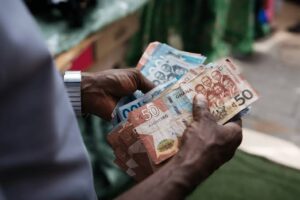
The cedi is also affected. Strong export earnings support the currency. Weak earnings put pressure on it. The price of fuel, the cost of imports, and the value of savings are all connected to the performance of the resource sector.
Common Misconceptions
“Ghana should be rich because of its resources”
Resource wealth creates potential, but potential is not the same as prosperity. Realising the value requires effective management, investment, and diversification.
“The government keeps all the money from resources”
The government captures a share through taxes, royalties, and state participation. The rest goes to companies, contractors, and the global supply chain.
“Oil solved Ghana’s economic problems”
Oil brought new revenue, but it did not solve structural problems. The economy remains dependent on commodities and vulnerable to external shocks.
“Gold mining only benefits foreigners”
Mining companies are largely foreign, but Ghana receives royalties, taxes, and some employment benefits. The question is whether the share captured is sufficient.
“Natural resources are a curse”
Resources are not inherently a curse. The outcome depends on management. Some countries have used resources to build prosperity; others have squandered them.
Frequently Asked Questions
Which resource earns Ghana the most money?
Gold is currently the largest export earner, followed by oil and cocoa. The rankings can change depending on prices and production volumes.
How are oil revenues managed?
Oil revenues are managed under the Petroleum Revenue Management Act, which divides revenue between the national budget and the Ghana Petroleum Funds.
Why doesn’t Ghana process more of its own cocoa?
Local processing is limited by energy costs, financing, and infrastructure. The government has set targets to increase processing but faces challenges.
What is the role of COCOBOD?
COCOBOD regulates the cocoa industry, sets the producer price, and manages the export of cocoa beans.
How much of Ghana’s gold is mined illegally?
A significant share of small-scale gold mining is informal or illegal, though exact figures are difficult to establish. Illegal mining has caused severe environmental damage.
Can natural resources fund Ghana’s development?
Yes, if revenues are captured effectively, invested wisely, and used to diversify the economy. Resources can be a foundation for development, but they are not a substitute for good governance.
What happens when commodity prices fall?
When prices fall, export earnings decline, government revenue falls, and pressure on the cedi increases. This creates economic strain and highlights the need for diversification.
What to Remember
Gold, cocoa, and oil are Ghana’s economic pillars. They earn foreign exchange, fund government spending, and support livelihoods. But they are also sources of vulnerability: prices fluctuate, extraction damages the environment, and most of the value is captured abroad.
The challenge for Ghana is to manage these resources better — to capture a fair share of the value, to invest the proceeds productively, and to build an economy that does not depend so heavily on the fortunes of global commodity markets.
Natural resources are a gift. Whether they become a blessing or a burden depends on the choices the country makes.
Source: The Accra Daily Mail

Samuel Kwame Boadu is a Ghanaian media entrepreneur and storyteller with a passion for amplifying urban voices and uncovering everyday truths. He is the Editor-in-Chief and Founder of The Accra Daily Mail, a dynamic digital platform dedicated to capturing the pulse of Ghana’s capital—its people, culture, challenges, business, sports and innovations.