




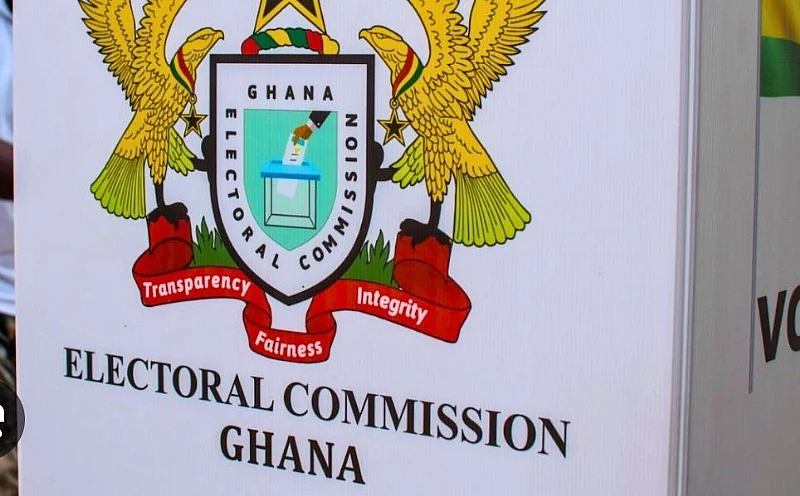

Every election in Ghana depends on one institution more than any other: the Electoral Commission. It is the body that registers voters, prints ballot papers, trains election officials, counts votes, and declares results. Without a credible Electoral Commission, the entire democratic process is at risk.
Yet for all its importance, the Electoral Commission is often misunderstood. Some people see it as an arm of the government. Others believe it has unlimited power. Many are not sure how its members are appointed, what its powers are, or what happens when its decisions are challenged.
This article explains what the Electoral Commission is, what it does, how it is structured, and why it matters. It is written for ordinary Ghanaians who want to understand the institution that guards the ballot box.
Quick Facts
-
The Electoral Commission of Ghana is an independent body established by the 1992 Constitution.
-
Its main responsibility is to organise and supervise elections and referenda in Ghana.
-
The Commission is made up of a Chairperson, two Deputy Chairpersons, and four other members.
-
The Chairperson and Deputy Chairpersons are appointed by the President on the advice of the Council of State.
-
The Commission is responsible for compiling the voters’ register, registering political parties, delimiting constituency boundaries, and declaring election results.
-
The Commission’s independence is protected by the Constitution, though its decisions can be challenged in court.
-
The Electoral Commission has district, regional, and national structures that carry out its work across the country.
What the Electoral Commission Is
The Electoral Commission of Ghana is the independent body responsible for managing elections in the country. It is created by the 1992 Constitution, which sets out its functions, composition, and independence.

The Commission is not part of the executive branch of government. It does not take instructions from the President, Parliament, or any political party. Its job is to administer elections fairly and impartially, giving effect to the will of the voters.
The Commission’s work covers all aspects of the electoral process: from registering voters to declaring results. It operates at the national, regional, and district levels, with a network of permanent staff and temporary election workers.
The Legal Foundation
The Electoral Commission is established by Chapter 7 of the 1992 Constitution. The Constitution sets out the Commission’s composition, functions, and independence. It also provides that the Commission shall not be subject to the direction or control of any person or authority in the performance of its functions.

The Electoral Commission Act and other legislation provide additional detail on how the Commission operates. The Commission also issues its own regulations and guidelines, covering matters such as voter registration, candidate nomination, and election procedures.
The legal framework is intended to protect the Commission’s independence while ensuring that it is accountable to the Constitution and the law.
What the Electoral Commission Does
Compiling the Voters’ Register
One of the Commission’s most important functions is compiling and maintaining the voters’ register. The register is the list of all eligible voters. No one can vote unless their name is on the register.

The Commission conducts registration exercises, updates the register periodically, and removes the names of deceased persons and others who are no longer eligible. The accuracy of the register is essential to the credibility of elections.
The voters’ register is often a subject of intense political debate. Political parties scrutinise it for errors, duplicate entries, and ineligible names. The Commission has the authority to clean the register through exhibition exercises and data reviews.
Registering Political Parties
The Electoral Commission is responsible for registering political parties. A party that wants to contest elections must be registered with the Commission and meet the legal requirements.
The Commission also monitors the activities of political parties to ensure they comply with the law. This includes overseeing party finances and internal elections in some cases.
Delimiting Constituencies
The Commission is responsible for dividing the country into constituencies for parliamentary elections. The number of constituencies and their boundaries affect how votes translate into seats.
The Constitution requires the Commission to review constituency boundaries periodically to reflect population changes. The number of constituencies has grown over time as the population has increased.
The delimitation of constituencies is a sensitive task. Boundaries can affect election outcomes, and the Commission must balance population, geography, and community interests.
Nominating Candidates
The Commission receives and reviews nominations for presidential and parliamentary candidates. It checks that candidates meet the constitutional requirements and that their nomination papers are in order.
The Commission can reject a nomination if the candidate does not meet the requirements or if the papers are not properly filed. Such decisions can be challenged in court.
Conducting Elections
The Commission’s most visible role is conducting elections. This involves:
-
Recruiting and training election officials
-
Setting up polling stations
-
Managing voting on election day
-
Counting votes
-
Declaring results
The Commission also organises special voting for groups who cannot vote on the main election day, such as election officials and security personnel.
Voter Education
The Commission has a responsibility to educate the public about the electoral process. This includes explaining how to register, how to vote, and what to expect on election day. Voter education is carried out through public campaigns, community outreach, and media engagement.
Referenda
The Commission also conducts referenda, where voters are asked to approve or reject a proposal. Referenda are required for certain constitutional amendments.
The Structure of the Commission
The Commission Members
The Electoral Commission is made up of seven members:
-
A Chairperson
-
Two Deputy Chairpersons
-
Four other members
The Chairperson and Deputy Chairpersons are appointed by the President on the advice of the Council of State. The other members are also appointed through a process involving the President and the Council of State.
Members of the Commission hold office for a fixed term and can only be removed for stated reasons, such as misconduct or incapacity. This is intended to protect their independence.
The Secretariat
The Commission has a secretariat, headed by an executive secretary or similar official, which handles the day-to-day administration. The secretariat employs permanent staff who manage voter registration, elections, and other functions.
Regional and District Offices
The Commission has offices in every region and district. These offices coordinate the Commission’s work at the local level, including voter registration, election logistics, and results collation.
Temporary Election Workers
During elections, the Commission recruits and trains large numbers of temporary staff. These include presiding officers, polling assistants, returning officers, and other workers. They are responsible for running polling stations and collating results.
The Independence of the Commission
The independence of the Electoral Commission is essential to its credibility. The Constitution provides that the Commission shall not be subject to the direction or control of any person or authority in the performance of its functions.
This independence is protected in several ways:
-
Members are appointed through a process that involves the Council of State, not just the President.
-
Members hold office for fixed terms.
-
Members can only be removed for stated reasons.
-
The Commission’s budget is charged on the Consolidated Fund, providing financial insulation.
In practice, the Commission’s independence depends on the integrity of its members and the respect that other institutions show for its role. The Commission has sometimes faced pressure from political actors, but the legal framework is designed to shield it from interference.
How the Commission Makes Decisions
The Commission makes decisions through its members, who meet to consider matters within its mandate. Decisions are made by majority vote where necessary, and the Chairperson has a casting vote in case of a tie.
Some decisions, such as the declaration of election results, are made by the Chairperson in the exercise of the powers of the returning officer for the presidential election. Other decisions are made collectively by the Commission.
The Commission’s decisions can be challenged in court. Election disputes are heard by the High Court for parliamentary elections and by the Supreme Court for presidential elections. The courts provide a check on the Commission’s power.
Why the Electoral Commission Matters
The Electoral Commission matters because free and fair elections depend on it. Without a credible institution to manage elections, the democratic process breaks down.
Protecting the Will of the People
The Commission’s job is to give effect to the will of the voters. When the Commission does its work properly, the results reflect what the people actually voted for. When the Commission fails or is compromised, the results lose legitimacy.
Preventing Conflict
Elections are moments of high tension. A credible Electoral Commission reduces the likelihood of disputes and violence by ensuring that the process is transparent and fair. When the Commission is trusted, losers are more likely to accept defeat.
Building Confidence
Trust in the Electoral Commission is essential for public confidence in democracy. If voters do not trust the Commission, they will not trust the elections. Building and maintaining that trust is one of the Commission’s most important tasks.
Challenges the Commission Faces
Political Pressure
The Commission operates in a highly charged political environment. Political parties and candidates scrutinise its decisions and sometimes accuse it of bias. Managing this pressure while maintaining independence is a constant challenge.
Resource Constraints
The Commission’s work is expensive. Registering voters, printing ballots, and deploying election workers across the country requires significant resources. Inadequate funding can affect the quality of elections.
Legal Disputes
The Commission’s decisions are frequently challenged in court. While this is part of the democratic process, it can also create delays and uncertainty. The Commission must balance its authority with respect for the rule of law.
Public Trust
The Commission’s credibility depends on public trust. When trust is damaged, as it has been during some election disputes, rebuilding it takes time and effort. Transparency and competence are essential.
Common Misconceptions
“The Electoral Commission is part of the government”
The Commission is an independent body. It is not under the control of the President or any ministry. Its independence is protected by the Constitution.
“The Commission can do whatever it wants”
The Commission’s powers are defined by the Constitution and the law. Its decisions can be challenged in court, and it is accountable to the legal framework.
“The Commission decides who wins elections”
The Commission’s job is to administer the election and count the votes. The winners are determined by the voters, not the Commission. The Commission’s role is to give effect to the voters’ choice.
“The Commission is always biased”
The Commission has faced accusations of bias from different sides at different times. The truth is that the Commission operates under intense scrutiny and must balance competing pressures. Its independence is essential precisely because bias would undermine everything.
“The voters’ register is not important”
The voters’ register is the foundation of the election. If the register is flawed, the entire election is flawed. That is why the register is such a contested issue.
Frequently Asked Questions
Who appoints the Chairperson of the Electoral Commission?
The Chairperson is appointed by the President on the advice of the Council of State. The same applies to the Deputy Chairpersons.
How long do Commission members serve?
The term of office is set by the Constitution and relevant legislation. Members serve for a fixed period and can only be removed for stated reasons.
Can the Electoral Commission be sued?
Yes. The Commission’s decisions can be challenged in court. Election petitions are heard by the High Court or the Supreme Court, depending on the type of election.
How does the Commission register voters?
The Commission conducts registration exercises at designated centres. Eligible citizens must provide identification and have their details recorded. The register is periodically updated and cleaned.
What happens if the Commission makes a mistake?
Mistakes can be corrected through internal processes or through the courts. The legal framework provides for challenges and reviews.
How is the Commission funded?
The Commission’s budget is charged on the Consolidated Fund, meaning it is paid from public funds. The government provides funding, but the constitutional provision is intended to protect the Commission from financial pressure.
Can the Commission cancel an election?
The Commission has the power to make decisions about the conduct of elections, including postponements in certain circumstances. However, any such decision must be based on the law and can be challenged.
What to Remember
The Electoral Commission is the guardian of Ghana’s democracy. It is the institution that ensures elections are conducted properly, votes are counted accurately, and results reflect the will of the people.
The Commission is not perfect. It faces pressure, constraints, and challenges. But its role is essential, and its independence must be protected.
The next time you vote, remember the machinery behind the ballot. The polling station, the ballot paper, the counting process — all of it depends on the Electoral Commission. And the strength of Ghana’s democracy depends on the Commission doing its job well.
Source: The Accra Daily Mail

Samuel Kwame Boadu is a Ghanaian media entrepreneur and storyteller with a passion for amplifying urban voices and uncovering everyday truths. He is the Editor-in-Chief and Founder of The Accra Daily Mail, a dynamic digital platform dedicated to capturing the pulse of Ghana’s capital—its people, culture, challenges, business, sports and innovations.