

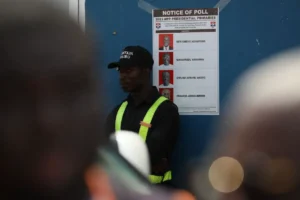
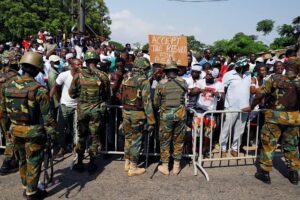
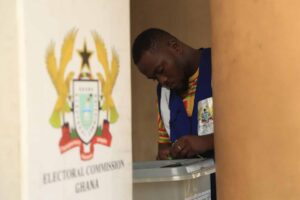
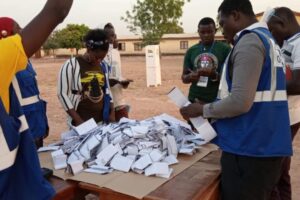





Every four years, Ghanaians elect a President. The process is familiar, but the mechanics are often misunderstood. Winning a presidential election in Ghana is not simply about getting more votes than anyone else. It is about meeting a specific constitutional threshold, building a national coalition, and navigating a system designed to produce a leader with broad support.
This article explains how presidential elections are won in Ghana. It covers the legal requirements, the first-past-the-post system with its run-off mechanism, the role of the Electoral Commission, the campaign dynamics, and what happens after the votes are counted. It is written for ordinary voters who want to understand the rules that shape the contest.
Quick Facts
-
Ghana’s President is elected by universal adult suffrage, meaning all registered voters aged 18 and above can vote.
-
To win in the first round, a candidate must receive more than 50% of the valid votes cast.
-
If no candidate achieves an outright majority, a run-off is held between the two candidates with the highest votes.
-
The Electoral Commission is responsible for conducting the election and declaring the results.
-
Presidential candidates must be Ghanaian citizens by birth, at least 40 years old, and qualified to be a Member of Parliament.
-
The President serves a four-year term and can be re-elected for a maximum of two terms.
-
Election disputes can be challenged in the Supreme Court.
The Constitutional Rules
The rules for presidential elections are set out in the 1992 Constitution. These rules are not optional guidelines; they are binding law.
Eligibility
To stand for President, a candidate must be:
-
A Ghanaian citizen by birth
-
At least 40 years old
-
Qualified to be a Member of Parliament
A candidate can be nominated by a registered political party or stand as an independent. The nomination must meet the requirements set by the Electoral Commission.
Term of Office
The President serves a four-year term. The Constitution limits a President to two terms in office. This means a President who has served two terms cannot stand again.
The Majority Requirement
The most important rule is the majority requirement. To win the presidency in the first round, a candidate must receive more than 50% of the valid votes cast. This is a higher threshold than a simple plurality, where the candidate with the most votes wins regardless of percentage.
The majority requirement exists to ensure that the President has broad national support. A candidate who wins only one region with a large margin cannot become President without attracting votes across the country.
The First-Past-the-Post System with a Run-Off
Ghana uses a first-past-the-post system for presidential elections, with a twist: if no candidate crosses the 50% threshold, a run-off is held.
First Round
In the first round, all eligible candidates appear on the ballot. Voters choose one candidate. The votes are counted, and the percentages are calculated.
If a candidate receives more than 50% of the valid votes, that candidate wins outright. No run-off is needed.
The Run-Off
If no candidate crosses 50%, the two candidates with the highest number of votes proceed to a run-off. The run-off is a straight contest between those two candidates.
The run-off is held within a period specified by law, though the exact timing has been the subject of legal interpretation and adjustment. In the run-off, the candidate with the higher number of votes wins, even if neither crosses 50%. This is because, with only two candidates, one will necessarily secure more than half of the valid votes, barring unusual circumstances.
The run-off mechanism is designed to produce a President with majority support. It forces candidates to build coalitions and appeal beyond their core bases.
The Role of the Electoral Commission
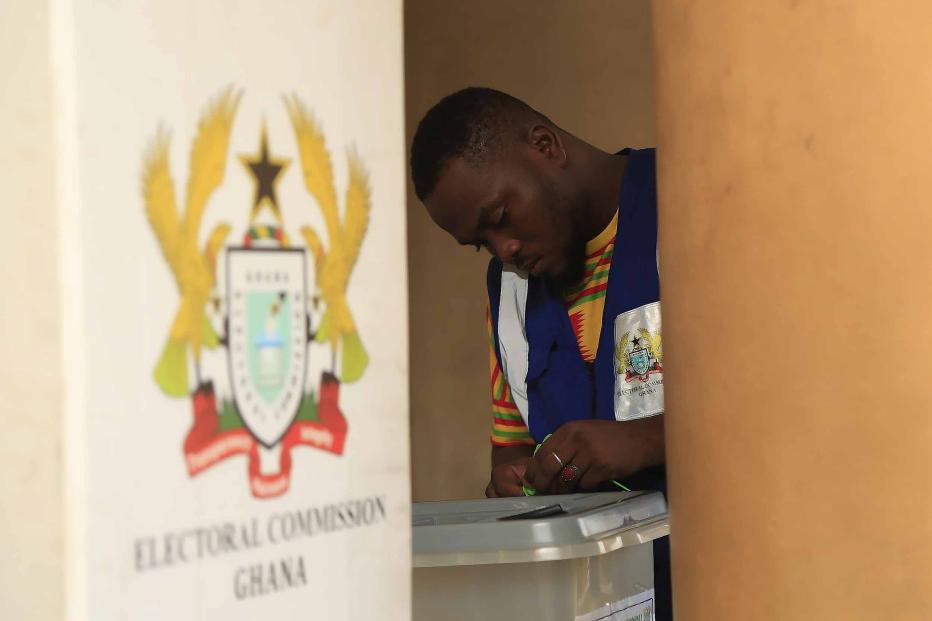
The Electoral Commission is the body responsible for conducting presidential elections. Its roles include:
-
Receiving and reviewing nominations
-
Recruiting and training election officials
-
Managing polling stations
-
Counting votes
-
Collating results from constituencies
-
Declaring the winner
The Chairperson of the Electoral Commission is the returning officer for the presidential election. It is the Chairperson who formally declares the result.
The Commission’s decisions can be challenged. A presidential election petition is heard by the Supreme Court, which has original jurisdiction over such disputes.
How Votes Are Counted
The counting process is designed to be transparent.
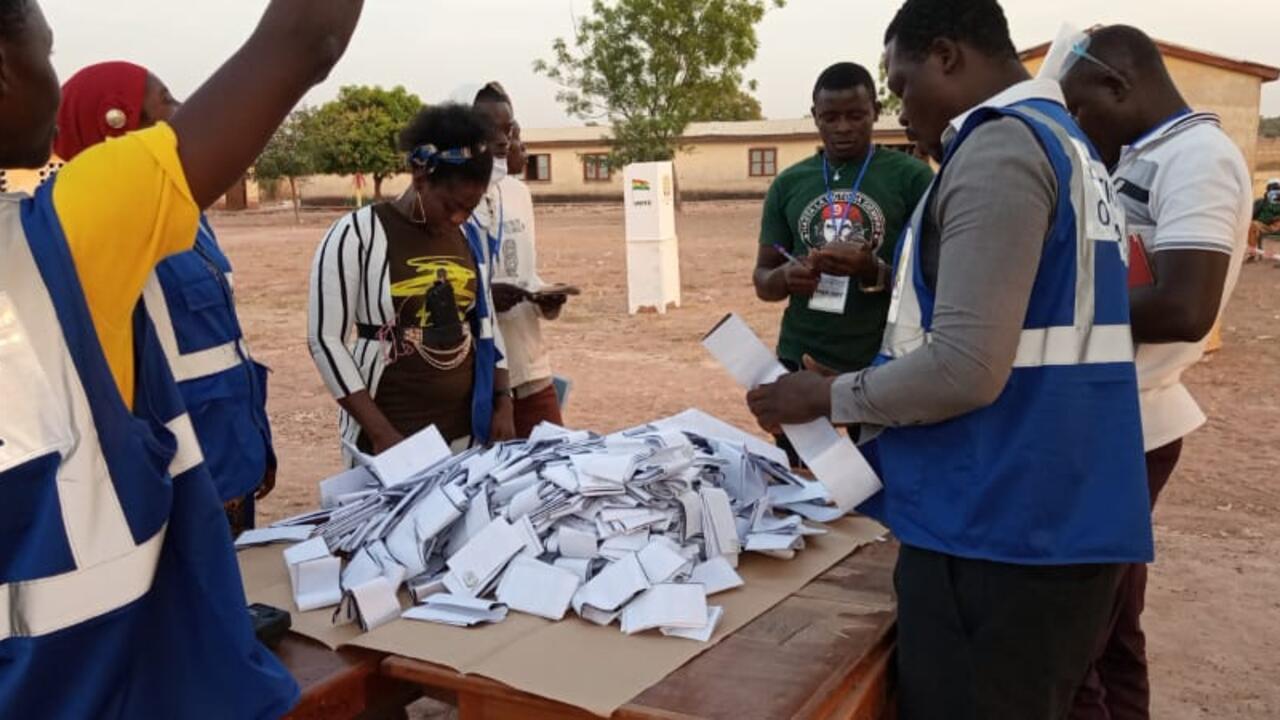
Votes are counted at the polling station immediately after polls close, in the presence of party agents and observers. The results are recorded on a results form, which is signed by the presiding officer and the party agents.
The results are then transmitted to the constituency collation centre. From there, they are forwarded to the Electoral Commission headquarters in Accra.
The Commission collates the results from all constituencies and calculates the totals for each candidate. The Chairperson then declares the winner based on those totals.
What It Takes to Win
Winning a presidential election in Ghana requires more than a strong campaign. It requires a national strategy.
Broad Geographic Appeal
Because of the majority requirement, a candidate must appeal across regions. A candidate who is strong in the north but weak in the south, or strong in urban areas but weak in rural areas, will struggle to cross 50%.
Successful candidates build coalitions that span regions, ethnic groups, and economic sectors. They campaign everywhere, not just in their strongholds.
Strong Party Organisation
Political parties provide the machinery for mobilising voters. A strong party has structures in every constituency, volunteers on the ground, and the capacity to get supporters to the polls.
Independent candidates face a steep challenge because they lack this machinery. Building a national campaign without a party is extremely difficult.
A Clear Message
Voters respond to messages that address their concerns. Successful candidates articulate a vision that resonates with ordinary people — jobs, education, healthcare, infrastructure, security. The message must be simple enough to communicate and credible enough to believe.
Resources
Elections are expensive. Campaign rallies, advertising, transportation, and party agents all cost money. Candidates need resources to compete effectively. This reliance on resources raises questions about the influence of money in politics.
The First Round Strategy
If a candidate cannot win outright in the first round, the goal may be to make it into the run-off. Coming second in a crowded field can be enough to stay alive. The run-off then becomes a different contest, often requiring new alliances and appeals.
The Dynamics of the Run-Off
The run-off is a different type of election. With only two candidates, the dynamics shift.
Endorsements
Candidates who were eliminated in the first round may endorse one of the two finalists. These endorsements can be influential, especially if the eliminated candidate had a significant following.
Turnout
Run-offs often see different turnout patterns. Some voters lose interest, while others become more engaged. Mobilising supporters becomes critical.
The Message Shifts
In the run-off, candidates focus on consolidation rather than expansion. The goal is to hold their base and win over enough new voters to cross the line.
Election Petitions and Disputes
After the Electoral Commission declares a result, the losing candidate may challenge the outcome in the Supreme Court.
The petition must be filed within 21 days of the declaration. The Supreme Court hears the case, reviews the evidence, and issues a ruling. The Court can uphold the result, overturn it, or order remedies.
The 2012 presidential election petition was a landmark moment. The New Patriotic Party’s candidate, Nana Akufo-Addo, challenged the declared victory of John Mahama. The Supreme Court heard the case over several months and ultimately upheld the result. The case tested Ghana’s institutions and demonstrated that election disputes can be resolved through the courts.
What Happens After the Election
Once the winner is declared and any disputes are resolved, the transition begins.
The President-elect takes the oath of office on 7 January following the election. The outgoing administration prepares handover notes, and the incoming administration reviews them.
The peaceful transfer of power is one of Ghana’s most important democratic achievements. Elections are competitive, but the constitutional process ensures that power changes hands lawfully.
Common Misconceptions
“The candidate with the most votes always wins”
Not necessarily. A candidate must receive more than 50% of valid votes to win in the first round. If no candidate crosses that threshold, a run-off is held.
“The Electoral Commission decides who becomes President”
The Commission administers the election and declares the result. The voters decide who wins. The Commission’s role is to give effect to the voters’ choice.
“A run-off is a sign of failure”
A run-off is a normal part of the constitutional process. It ensures that the winner has majority support. Several Ghanaian elections have gone to run-offs.
“Independent candidates can easily win”
Independent candidates can win in theory, but the practical barriers are enormous. Building a national campaign without a party machine is extremely difficult.
“The President can serve more than two terms”
The Constitution limits a President to two terms. A President who has served two terms cannot stand again.
Frequently Asked Questions
How many times can a President be elected?
A President can be elected to a maximum of two four-year terms.
What happens if no candidate gets 50%?
A run-off is held between the two candidates with the highest votes.
Who can vote in a presidential election?
All registered voters aged 18 and above who are Ghanaian citizens can vote.
How long does a President serve?
A President serves a four-year term.
Can a presidential election result be challenged?
Yes. A petition can be filed in the Supreme Court within 21 days of the declaration.
When does the winner take office?
The President-elect takes the oath of office on 7 January following the election.
Can a candidate born outside Ghana stand for President?
No. A presidential candidate must be a Ghanaian citizen by birth.
What to Remember
Winning a presidential election in Ghana is not just about popularity. It is about meeting constitutional requirements, building a national coalition, and navigating a system designed to produce a President with broad support.
The majority threshold and the run-off mechanism shape the entire campaign. Candidates must think beyond their strongholds and appeal to the whole country. The Electoral Commission administers the process, but the power belongs to the voters.
The next time you hear that no candidate has crossed 50%, you will know what it means. You will understand that the run-off is not a failure of the system but a feature of it — a mechanism designed to ensure that the President is chosen by a majority, not just a plurality.
That is how presidential elections are won in Ghana.
Source: The Accra Daily Mail

Samuel Kwame Boadu is a Ghanaian media entrepreneur and storyteller with a passion for amplifying urban voices and uncovering everyday truths. He is the Editor-in-Chief and Founder of The Accra Daily Mail, a dynamic digital platform dedicated to capturing the pulse of Ghana’s capital—its people, culture, challenges, business, sports and innovations.