




High blood pressure is one of the most common health conditions in Ghana, yet it often goes unnoticed until it causes serious damage. Many people live with it for years without knowing. It rarely produces obvious symptoms in its early stages, which is why it is sometimes called the “silent killer.”
The good news is that high blood pressure can be detected easily, managed effectively, and in many cases prevented. The key is understanding what it is, what it does to the body, and what practical steps can reduce the risk.
This Accra Daily Mail article explains high blood pressure in plain language. It covers what the condition is, how it is measured, what the numbers mean, why it matters, what increases the risk, and what can be done. It is written for ordinary Ghanaians who want clear, useful information without medical jargon.
Quick Facts
-
Blood pressure is the force of blood pushing against the walls of your arteries as your heart pumps.
-
It is recorded as two numbers: systolic pressure (when the heart beats) over diastolic pressure (when the heart rests between beats).
-
High blood pressure, also called hypertension, means the pressure in your arteries is consistently too high.
-
Hypertension is a major risk factor for stroke, heart attack, kidney disease, and other serious conditions.
-
Many people with high blood pressure have no symptoms, so regular checks are essential.
-
Lifestyle changes — including diet, exercise, weight management, and reducing salt and alcohol — can help prevent and manage the condition.
-
Some people also need medication prescribed by a qualified health professional to control their blood pressure.
-
This article is for information only and does not replace medical advice from a qualified health professional.
What Blood Pressure Is
Every time your heart beats, it pumps blood into your arteries. The blood travels through these vessels to deliver oxygen and nutrients to every part of your body. Blood pressure is the force that the blood exerts against the walls of the arteries as it moves.
Some pressure is normal and necessary. Without it, blood would not circulate. But when the pressure is consistently too high, it damages the arteries and puts strain on the heart and other organs.
Think of it like water flowing through a pipe. If the pressure is too high, the pipe can weaken, crack, or burst over time. Similarly, high blood pressure damages blood vessels and the organs they supply.
What the Numbers Mean
Blood pressure is measured in millimetres of mercury, written as mmHg. The measurement gives two numbers.
The systolic pressure is the higher number. It measures the pressure in your arteries when your heart contracts and pumps blood.
The diastolic pressure is the lower number. It measures the pressure in your arteries when your heart is resting between beats.
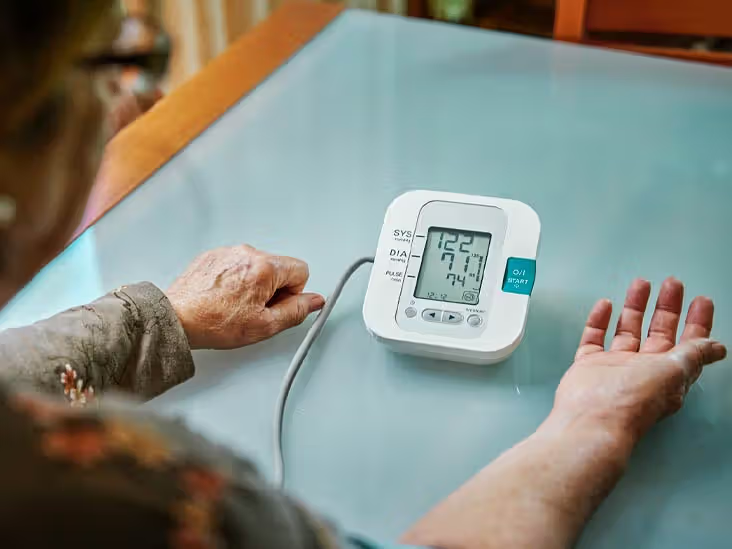
A reading is written as systolic over diastolic, for example 120/80 mmHg.
Normal blood pressure is generally considered to be below 120/80 mmHg. Elevated blood pressure falls between normal and high. Hypertension is usually defined as a reading of 140/90 mmHg or above, measured on at least two separate occasions. However, the thresholds used in clinical practice may vary, and some guidelines set lower targets for people with certain conditions.
Do not diagnose yourself based on a single reading. Blood pressure fluctuates during the day. Stress, physical activity, caffeine, and even the anxiety of being in a clinic can raise it temporarily. A diagnosis of hypertension requires repeated measurements over time, assessed by a qualified health professional.
Why High Blood Pressure Is Dangerous
The danger of hypertension is not the condition itself but what it does to the body over time.
Stroke
High blood pressure is the leading risk factor for stroke. It damages and weakens the blood vessels in the brain. A weakened vessel may rupture, causing a haemorrhagic stroke. Alternatively, a narrowed or blocked vessel may cut off blood supply, causing an ischaemic stroke. Both can cause permanent disability or death.
Heart Disease
The heart has to work harder to pump blood against high pressure. Over time, the heart muscle thickens and becomes less efficient. This can lead to heart failure. High blood pressure also damages the arteries that supply the heart, increasing the risk of a heart attack.
Kidney Disease
The kidneys are full of tiny blood vessels that filter waste from the blood. High pressure damages these vessels, reducing the kidneys’ ability to function. Hypertension is a major cause of chronic kidney disease and kidney failure.
Eye Damage
High blood pressure can damage the small blood vessels in the eyes, leading to vision problems and in severe cases blindness.
Cognitive Decline
There is evidence that long-standing high blood pressure increases the risk of cognitive decline and dementia, partly because of its effects on blood vessels in the brain.
The damage caused by hypertension is often silent. A person can feel perfectly well while the condition quietly harms vital organs. This is why screening is so important.
How Common Is It in Ghana?
High blood pressure is common in Ghana and across Africa. The prevalence has risen over the decades as lifestyles have changed. Urbanisation, changes in diet, reduced physical activity, and increased life expectancy have all contributed.
Many people with hypertension do not know they have it. Even among those who know, not all have their blood pressure controlled. This is a serious public health challenge, because untreated hypertension leads to preventable strokes, heart attacks, and kidney failure.
Regular screening is essential. Blood pressure checks are available at hospitals, clinics, pharmacies, and community health programmes. If you have not had your blood pressure checked recently, the time to do so is now.
What Increases the Risk
Some risk factors for hypertension cannot be changed. Others are within your control.
Age
Blood pressure tends to rise with age. The blood vessels become stiffer over time, and the risk of hypertension increases. This does not mean older age inevitably leads to hypertension, but the risk rises.
Family History
If close relatives — parents or siblings — have hypertension, your risk is higher. This reflects both genetics and shared lifestyle factors.
Excess Weight
Being overweight or obese increases the workload on the heart and raises blood pressure. Weight loss, even modest, can have a meaningful effect.
Physical Inactivity
A sedentary lifestyle increases the risk of hypertension. Regular physical activity strengthens the heart and helps keep blood vessels healthy.
High Salt Intake
Salt contains sodium, which causes the body to retain fluid. Excess fluid increases blood volume and raises blood pressure. Many Ghanaians consume more salt than recommended, often through processed foods, stock cubes, salted fish, and added salt in cooking.
Excessive Alcohol
Heavy alcohol consumption raises blood pressure. Reducing alcohol intake can help lower it.
Smoking and Tobacco
Smoking damages blood vessels and raises blood pressure acutely. Over time, it accelerates the damage caused by hypertension.
Stress
Chronic stress may contribute to high blood pressure, though the relationship is complex. Stress can also lead to unhealthy behaviours, such as poor diet, excess alcohol, and inactivity.
Other Medical Conditions
Diabetes, kidney disease, and certain hormonal disorders can raise blood pressure or make it harder to control.
Symptoms and the Myth of the “Silent” Disease
Most people with high blood pressure have no symptoms. They feel fine. They go about their lives unaware that their blood vessels are under strain.
When symptoms do occur, they are often non-specific: headaches, dizziness, blurred vision, or nosebleeds. These symptoms are not reliable indicators of hypertension. Many people with these symptoms do not have high blood pressure, and many people with high blood pressure do not have these symptoms.
The first “symptom” of hypertension is sometimes a catastrophic event: a stroke, a heart attack, or kidney failure. This is why the condition is called a silent killer and why screening is essential.
Do not wait until you feel unwell. Check your blood pressure regularly, especially if you are over 40 or have risk factors.
How Hypertension Is Diagnosed
The diagnosis of hypertension requires proper measurement.
A health professional will measure your blood pressure using a cuff placed around your upper arm. The cuff is inflated and then slowly deflated while the professional listens or the device records the pressure.
A single high reading does not mean you have hypertension. Blood pressure should be measured on at least two separate occasions, under proper conditions, before a diagnosis is made.
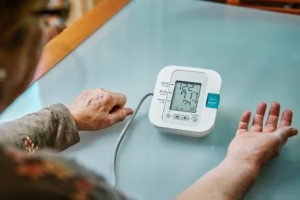
In some cases, a health professional may recommend home monitoring or 24-hour ambulatory monitoring, where a device measures your blood pressure at intervals throughout the day and night. This gives a fuller picture and helps rule out “white coat hypertension” — high readings in the clinic but normal readings elsewhere.
What You Can Do
Know Your Numbers
The first step is to know your blood pressure. If you have not had it checked in the past year, get it checked. If you have risk factors, check more often.
Reduce Salt
Reducing salt intake is one of the most effective dietary changes for lowering blood pressure. Cook with less salt. Reduce the use of stock cubes and salty seasonings. Avoid adding salt at the table. Be mindful of processed and packaged foods, which often contain hidden salt.
Eat a Healthy Diet
A diet rich in fruits, vegetables, whole grains, and legumes supports healthy blood pressure. Traditional Ghanaian foods, including leafy greens, beans, fruits, and fish, can be part of a healthy eating pattern. The key is balance and moderation.
Exercise Regularly
Regular physical activity — at least 30 minutes of moderate activity on most days — helps lower blood pressure and improves overall health. Walking, cycling, swimming, and even energetic housework or gardening count.
Maintain a Healthy Weight
If you are overweight, losing even a small amount — 5% of your body weight — can lower blood pressure and reduce the burden on your heart.
Limit Alcohol
If you drink alcohol, do so in moderation. For people with hypertension, reducing alcohol intake can make a meaningful difference.
Stop Smoking
Quitting smoking is one of the best things you can do for your blood vessels and your overall health.
Manage Stress
Find healthy ways to manage stress: prayer, meditation, exercise, time with loved ones, and adequate rest. Avoid using alcohol or excessive eating as a response to stress.
Take Medication as Prescribed
If a doctor prescribes blood pressure medication, take it as directed. Do not stop because you feel fine. Hypertension often has no symptoms, so feeling fine does not mean the condition is gone. Medication works only when taken consistently.
Common Misconceptions
“I would know if I had high blood pressure”
No. Most people with hypertension have no symptoms. The only way to know is to check.
“High blood pressure is a normal part of ageing”
The risk rises with age, but hypertension is not inevitable. It can be prevented or managed at any age.
“If I feel fine, I can stop taking my medication”
Hypertension is a chronic condition. Feeling fine does not mean the condition is cured. Stopping medication without medical advice can be dangerous.
“Only old people get high blood pressure”
Hypertension can affect young people, especially those with risk factors such as obesity, inactivity, or a family history. Regular checks are important for all adults.
“Herbal remedies can cure hypertension”
Some herbal products may have effects on blood pressure, but they are not a substitute for proven medical treatment. The evidence for most herbal cures is limited, and some can be harmful. Anyone considering herbal products should discuss them with a qualified health professional.
“If my blood pressure is normal once, I don’t need to check again”
Blood pressure changes over time. Regular monitoring is important, especially as you age or if you have risk factors.
When to Seek Medical Care
Seek medical attention if:
-
You have not had your blood pressure checked in the past year and you are over 40, or you have risk factors
-
Your blood pressure readings are consistently high
-
You experience sudden severe headache, chest pain, shortness of breath, weakness, vision changes, or difficulty speaking — these may be signs of a hypertensive emergency or other serious condition
-
You have been diagnosed with hypertension and your readings remain high despite treatment
Do not ignore these signs. Prompt medical care can prevent serious complications.
What to Remember
High blood pressure is common, serious, and largely silent. But it is also detectable, manageable, and often preventable. The most important step is simply to know your numbers.
Do not wait for symptoms. Get your blood pressure checked. If it is normal, keep it that way through healthy habits. If it is high, work with a qualified health professional to bring it under control.
The decisions you make today — what you eat, how much you move, whether you drink or smoke, whether you take your medication — shape your health for years to come. Hypertension may be a silent condition, but you do not have to face it in silence or ignorance.
This article is for general information only and is not a substitute for professional medical advice, diagnosis, or treatment. Always consult a qualified health professional about your individual health needs.
Source: The Accra Daily Mail

Samuel Kwame Boadu is a Ghanaian media entrepreneur and storyteller with a passion for amplifying urban voices and uncovering everyday truths. He is the Editor-in-Chief and Founder of The Accra Daily Mail, a dynamic digital platform dedicated to capturing the pulse of Ghana’s capital—its people, culture, challenges, business, sports and innovations.