












Diabetes is becoming more common in Ghana. You probably know someone living with it — a parent, an uncle, a colleague, a neighbour. Yet many people do not understand what diabetes actually is, how it affects the body, or why it demands serious attention.
There are many myths about diabetes. Some people believe it is caused by eating too much sugar. Others think it is a minor condition that can be ignored. Still others assume that a diagnosis means a life of severe restriction and inevitable complications. None of these is entirely true.
This article explains diabetes in plain language, focusing on what happens inside the body. It covers the different types, the role of insulin, the symptoms, the long-term effects, and the practical steps for prevention and management. It is written for ordinary Ghanaians who want clear, useful information without medical jargon.
Quick Facts
-
Diabetes is a chronic condition in which the body cannot properly regulate blood sugar (glucose) levels.
-
Glucose is the main source of energy for the body’s cells, and insulin is the hormone that helps glucose enter the cells.
-
In type 1 diabetes, the body produces little or no insulin.
-
In type 2 diabetes, the body either does not produce enough insulin or cannot use it effectively. This is the most common form.
-
Gestational diabetes occurs during pregnancy and usually resolves after delivery, though it increases future risk.
-
Untreated or poorly managed diabetes can damage the eyes, kidneys, nerves, heart, and blood vessels over time.
-
Diabetes can be managed through diet, physical activity, medication, and regular monitoring.
-
This article is for information only and does not replace medical advice from a qualified health professional.
What Glucose Is and Why It Matters
To understand diabetes, you must first understand glucose.

Glucose is a type of sugar that serves as the body’s primary source of energy. It comes from the food you eat, especially carbohydrates: bread, rice, yam, plantain, cassava, fruits, and sugary foods. When you eat, your digestive system breaks these foods down into glucose, which enters your bloodstream.
The glucose in your blood must move into your cells to be used as energy. Every organ — the brain, the muscles, the heart — needs energy to function. Without glucose entering the cells, the body begins to starve, even if there is plenty of sugar in the blood.
What Insulin Does
Insulin is a hormone produced by the pancreas, a gland located behind the stomach. Its main job is to help glucose move from the blood into the cells.

Think of insulin as a key. The cells of your body have doors, and those doors are locked. Glucose cannot enter without the key. Insulin is the key that unlocks the doors and allows glucose to go inside.
When the system works properly, the pancreas releases insulin in response to rising blood sugar after a meal. Insulin unlocks the cells, glucose enters, and blood sugar levels fall back to normal.
What Goes Wrong in Diabetes
Diabetes occurs when this system fails.

In type 1 diabetes, the immune system mistakenly attacks the cells in the pancreas that produce insulin. The result is that the body produces little or no insulin. Without insulin, glucose cannot enter the cells. Blood sugar rises to dangerous levels.
In type 2 diabetes, the problem is different. The pancreas still produces insulin, at least in the early stages, but the body’s cells no longer respond to it properly. This is called insulin resistance. The pancreas tries to compensate by producing more insulin, but over time it may not keep up. Blood sugar rises.
Gestational diabetes occurs during pregnancy, when hormonal changes make the body less responsive to insulin. It usually disappears after the baby is born, but it increases the risk of developing type 2 diabetes later.
What High Blood Sugar Does to the Body
When glucose cannot enter the cells, it builds up in the blood. Over time, high blood sugar damages tissues and organs throughout the body.
Damage to Blood Vessels
Excess sugar in the blood damages the lining of blood vessels. This damage accumulates over years and leads to narrowed, hardened arteries. The result is an increased risk of heart attack, stroke, and poor circulation, especially in the legs and feet.
Damage to Small Vessels
Diabetes also damages small blood vessels. In the eyes, this can lead to retinopathy, a condition that damages the retina and can cause blindness. In the kidneys, it causes nephropathy, reducing the organs’ ability to filter waste. In the nerves, it causes neuropathy, leading to numbness, tingling, and pain, especially in the hands and feet.
Slow Healing and Infection
High blood sugar impairs the immune system and slows wound healing. Minor cuts and sores can become infected and difficult to treat. This is why foot care is so important for people with diabetes. A small blister can become a serious ulcer, and in severe cases can lead to amputation.
Diabetic Emergencies
In the short term, very high blood sugar can cause diabetic ketoacidosis, a serious condition that occurs when the body breaks down fat for energy because it cannot use glucose. This produces acids called ketones, which build up in the blood and can be life-threatening.
At the other extreme, some people with diabetes experience hypoglycaemia — dangerously low blood sugar — usually as a result of medication. Hypoglycaemia can cause confusion, sweating, seizures, and loss of consciousness.
Symptoms of Diabetes
The symptoms of diabetes can develop slowly, especially in type 2 diabetes. Some people live with the condition for years without realising it.
Common symptoms include:
-
Excessive thirst
-
Frequent urination, especially at night
-
Unexplained weight loss
-
Increased hunger
-
Fatigue
-
Blurred vision
-
Slow-healing wounds
-
Recurrent infections
-
Tingling or numbness in the hands or feet
These symptoms are not exclusive to diabetes, and their absence does not rule out the condition. Many people with type 2 diabetes have no symptoms at all in the early stages. This is why screening is important, especially for those with risk factors.
Risk Factors for Type 2 Diabetes
Type 1 diabetes is not preventable and is not caused by lifestyle factors. Type 2 diabetes, which accounts for the vast majority of cases, is strongly influenced by lifestyle and family history.
Risk factors include:
-
Being overweight or obese
-
Physical inactivity
-
A family history of diabetes
-
Age, with risk increasing after 40
-
A history of gestational diabetes
-
High blood pressure
-
Abnormal cholesterol levels
-
A diet high in refined carbohydrates, sugary drinks, and processed foods
The rise of type 2 diabetes in Ghana and across Africa is linked to urbanisation and lifestyle changes: less physical activity, more processed food, more sugary drinks, and rising obesity rates.
How Diabetes Is Diagnosed
Diabetes is diagnosed through blood tests. The most common tests measure fasting blood sugar, random blood sugar, or glycated haemoglobin (HbA1c), which gives an average of blood sugar over the previous two to three months.
A single abnormal result may need to be confirmed with a second test before a diagnosis is made. If you have symptoms, a health professional may diagnose diabetes based on a single clearly elevated result.
If you are over 40, have a family history of diabetes, are overweight, or have other risk factors, speak to a health professional about screening. Early detection makes a significant difference.
Managing Diabetes
Diabetes is a serious condition, but it can be managed. Many people with diabetes live long, healthy lives.
Diet
Diet is central to diabetes management. The goal is not to eliminate all carbohydrates but to choose them wisely and eat in moderation.
Foods that release sugar slowly — such as whole grains, legumes, and vegetables — are preferable to refined carbohydrates like white bread, white rice, and sugary snacks. Portion sizes matter. Regular meals help keep blood sugar stable.
Traditional Ghanaian foods can be part of a healthy diabetes diet. Beans, leafy greens, fish, and moderate portions of yam or plantain can all fit. The key is balance and consistency.
Physical Activity
Exercise helps the body use glucose more effectively and improves insulin sensitivity. Regular activity — walking, cycling, swimming, or even energetic housework — is beneficial. Aim for at least 30 minutes of moderate activity on most days.
Medication
Some people with type 2 diabetes can manage the condition with diet and exercise alone, at least for a time. Others need oral medication or insulin. The type of medication depends on the individual. Medication is not a sign of failure; it is a tool for control.
Monitoring
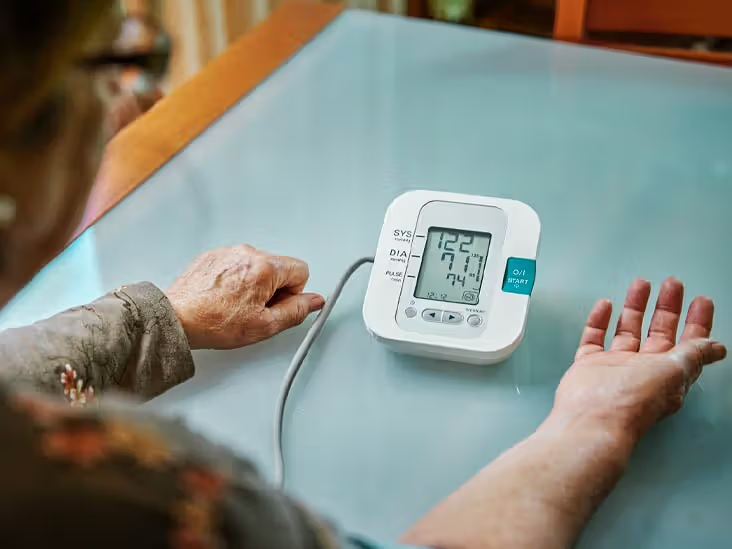
Regular monitoring of blood sugar helps people with diabetes understand how food, activity, and medication affect their levels. It allows adjustments and helps prevent complications.
Regular Check-Ups
People with diabetes need regular checks of their eyes, kidneys, feet, and cardiovascular health. These checks help detect complications early, when they are easier to treat.
Preventing Type 2 Diabetes
Type 2 diabetes is largely preventable. The steps are simple in principle, though they require discipline.
Maintain a healthy weight. Be physically active. Eat a balanced diet rich in vegetables, legumes, and whole foods. Limit sugary drinks and processed foods. Avoid smoking. Manage stress.
These measures also reduce the risk of high blood pressure, heart disease, and other chronic conditions. They are not a guarantee, but they make a significant difference.
Common Misconceptions
“Diabetes is caused by eating too much sugar”
Sugar consumption is a factor, but it is not the sole cause. Type 2 diabetes results from a combination of genetics, lifestyle, and environmental factors. Eating sugar does not automatically cause diabetes, though diets high in sugar and refined carbohydrates increase the risk.
“Only fat people get diabetes”
Being overweight is a major risk factor, but diabetes can occur in people of normal weight. Family history, age, and other factors play roles.
“If I have diabetes, I can never eat my favourite foods again”
People with diabetes can enjoy a wide range of foods. The key is moderation, portion control, and balance. A dietitian can help create a plan that fits your preferences and culture.
“Herbal remedies can cure diabetes”
There is no cure for diabetes. Some herbal products may affect blood sugar, but they are not a substitute for proven treatment. Relying on unproven remedies can lead to serious complications. Always discuss any supplement or herbal product with a qualified health professional.
“I feel fine, so my diabetes must be under control”
Diabetes often produces no symptoms, especially in the early stages. Feeling fine does not mean blood sugar is controlled. Regular monitoring and check-ups are essential.
“Insulin is only for severe cases”
Insulin is needed for everyone with type 1 diabetes and for many people with type 2 diabetes as the condition progresses. Needing insulin is not a sign of personal failure. It is a medical requirement.
When to Seek Medical Care
Seek medical attention if:
-
You have symptoms of diabetes, such as excessive thirst, frequent urination, unexplained weight loss, or blurred vision
-
You have risk factors and have never been screened
-
You have diabetes and your blood sugar is consistently high or low
-
You experience signs of a diabetic emergency: confusion, severe headache, vomiting, rapid breathing, or loss of consciousness
-
You have a wound that is not healing, especially on the foot
Do not delay. Early treatment can prevent serious complications.
What to Remember
Diabetes is a disorder of energy. The body cannot properly use glucose, and the resulting high blood sugar damages organs over time. But the condition is manageable, and in the case of type 2 diabetes, often preventable.
The most important thing is awareness. Know the risk factors. Know the symptoms. Get screened. And if you are diagnosed, take the condition seriously but do not despair. Millions of people live full lives with diabetes by managing their diet, staying active, taking medication as prescribed, and monitoring their health.
The body is a system. When one part fails, the effects spread. But when you understand how the system works, you can take steps to protect it.
This article is for general information only and is not a substitute for professional medical advice, diagnosis, or treatment. Always consult a qualified health professional about your individual health needs.
Source: The Accra Daily Mail

Samuel Kwame Boadu is a Ghanaian media entrepreneur and storyteller with a passion for amplifying urban voices and uncovering everyday truths. He is the Editor-in-Chief and Founder of The Accra Daily Mail, a dynamic digital platform dedicated to capturing the pulse of Ghana’s capital—its people, culture, challenges, business, sports and innovations.