


The President of Ghana is often treated as the most powerful person in the country. Campaigns focus heavily on the person at the top of the ticket. News coverage centres on presidential statements, appointments, and decisions. When things go well, the President receives credit. When things go badly, the President receives blame.
But what can the President actually do under Ghana’s Constitution? Where do the President’s powers begin and end? And what prevents the office from becoming a dictatorship?
This article explains the presidency in plain language. It outlines the President’s formal powers, the limits on those powers, and the practical realities of how the office operates. It is written for citizens who want to understand the most visible institution in Ghana’s government.
Quick Facts
-
The President of Ghana is both head of state and head of government.
-
The President is elected directly by Ghanaians every four years.
-
A President may serve a maximum of two four-year terms.
-
The President’s powers are defined and limited by the 1992 Constitution.
-
The President appoints ministers, judges, and many other officials, but key appointments require parliamentary approval.
-
The President cannot make laws alone. Parliament passes laws, and the President assents to them.
-
The President can be removed from office through impeachment under specific constitutional grounds.
The Office of the President
The presidency is not just one person. It is an institution. The President is supported by the Vice President, the Office of the President staff, the Cabinet, and the wider executive branch.

The 1992 Constitution creates the office and defines its powers. Article 57 establishes that there shall be a President of the Republic of Ghana, who is the Head of State, Head of Government, and Commander-in-Chief of the Armed Forces of Ghana.
These three roles are worth understanding separately.
Head of State
As head of state, the President represents Ghana internationally. The President receives foreign ambassadors, makes state visits, signs treaties, and speaks on behalf of the nation. This role is largely symbolic but carries real diplomatic weight.

Head of Government
As head of government, the President directs the executive branch. The President appoints ministers, sets policy direction, and oversees the implementation of government programmes. This is where the day-to-day power of the presidency lies.
Commander-in-Chief
The President is the civilian head of the armed forces. This means the military is subordinate to elected civilian authority. The President can deploy the military, subject to constitutional constraints. Parliamentary approval is required for certain actions, such as declaring war.
How the President Is Elected
The President is elected directly by registered voters. The election is held every four years, alongside parliamentary elections.

To win in the first round, a presidential candidate must receive more than 50% of the valid votes cast. If no candidate crosses this threshold, a run-off election is held between the two candidates with the highest number of votes. The candidate who wins the run-off becomes President.
The Electoral Commission is responsible for conducting presidential elections and declaring the results. The results can be challenged in the Supreme Court through an election petition.
The requirement for a majority — not just a plurality — is important. It means a President must have the support of more than half of those who voted in the first round or a majority in the run-off. This rule encourages coalition-building and broad appeal.
Term Limits
A President may serve two terms of four years each. This term limit is entrenched in the Constitution, meaning it cannot be changed without a referendum.
The two-term limit is a safeguard against indefinite rule. It ensures that no single individual can hold the presidency for life. Since the beginning of the Fourth Republic, all Presidents have served within this limit, with peaceful transfers of power occurring between parties.
The Constitutional Powers of the President
The Constitution grants the President specific powers. These are not unlimited, but they are substantial.
Executive Powers
The President is the head of the executive branch. This includes the power to:
-
Appoint ministers, deputy ministers, and other officials
-
Preside over the Cabinet
-
Direct the work of ministries and government agencies
-
Issue executive orders and directives, within the law
-
Grant pardons and reprieves
The President also has the power to declare a state of emergency, but this is subject to parliamentary approval and can be challenged in the courts.
Appointment Powers
The President appoints many public officials. Some appointments require the approval of Parliament. Others require consultation with the Council of State or other bodies.
Appointments requiring parliamentary approval include:
-
Ministers and deputy ministers
-
The Chief Justice and other Supreme Court judges
-
The Governor of the Bank of Ghana
-
The Auditor-General
-
Ambassadors and High Commissioners
-
The Commissioner of the Electoral Commission
-
Heads of some public corporations and institutions
The need for parliamentary approval is a check on presidential power. It means the President cannot simply install loyalists in key positions without some measure of scrutiny.
Legislative Powers
The President is not a member of Parliament and cannot introduce bills directly. But the President plays a central role in the legislative process.
Bills passed by Parliament are sent to the President for assent. The President can:
-
Refuse to assent, returning the bill to Parliament with reasons
If the President refuses to assent, Parliament may, under certain conditions, pass the bill again and present it to the President. The Constitution provides a procedure for resolving disagreements between the President and Parliament.
The President also delivers the State of the Nation address to Parliament, which sets out the government’s policy agenda.
Financial Powers
The President, through the Minister of Finance, presents the national budget to Parliament. However, the President cannot spend public money without parliamentary approval. The Constitution requires that all government expenditure be authorised by law.
This means the President’s ability to implement policies depends on Parliament’s willingness to approve funding. It is a significant check on executive power.
Military and Security Powers
The President is Commander-in-Chief of the armed forces. This includes the power to deploy troops. However, the Constitution requires parliamentary approval for declarations of war and for certain military deployments.
The President also chairs the National Security Council, which coordinates security policy.
Foreign Affairs Powers
The President represents Ghana in international affairs. This includes:
-
Appointing ambassadors
-
Receiving foreign representatives
Treaties do not automatically become law. Many international agreements require ratification by Parliament before they take effect domestically.
Emergency Powers
The President can declare a state of emergency, but this power is limited. The declaration must be published, and it must be approved by Parliament. The emergency cannot last indefinitely. The Constitution sets out the grounds for declaring an emergency and the procedures that must be followed.
Judicial Powers
The President appoints judges, but does not control them. Judges, once appointed, are independent. The President cannot direct a judge in how to decide a case. The Constitution protects judicial independence.
The President also has the power to grant pardons, in consultation with the Council of State. This power is limited and does not extend to impeachments or certain other matters.
The Limits on Presidential Power
The President’s powers look extensive on paper. But the Constitution places real limits on them.
The Constitution Itself
The President must act within the Constitution. Any action that violates the Constitution can be challenged in the Supreme Court. The Supreme Court has the power to declare presidential actions unconstitutional and void.
Parliament
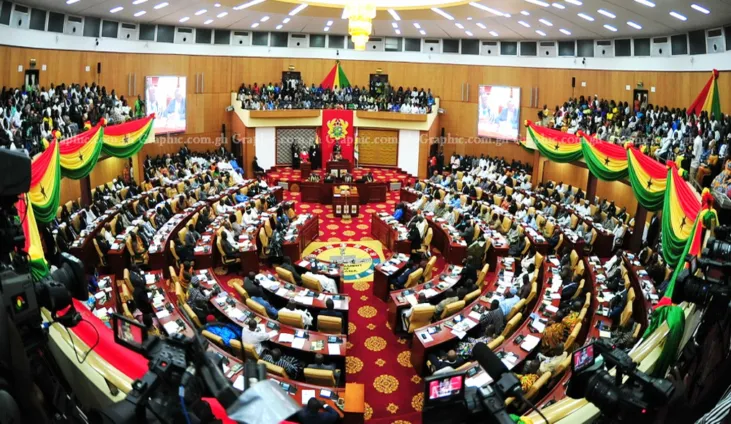
Parliament controls the budget, passes laws, and approves key appointments. A President cannot govern effectively without parliamentary cooperation. This creates a system of negotiation and compromise, especially when the President’s party does not control a majority in Parliament.
The Judiciary
The courts can review executive actions and strike down those that are unlawful. This is a critical check. The judiciary’s independence is essential to this function.
The Council of State
The Council of State advises the President on appointments and other matters. Its role is advisory, but it provides a layer of consultation that the President must engage with in certain cases.
The Electoral Process
The President faces re-election, and the prospect of losing power concentrates the mind. The need to maintain public support shapes presidential behaviour.
The Media and Civil Society
Ghana has a lively media and a growing civil society sector. These actors scrutinise presidential actions, expose wrongdoing, and mobilise public opinion. A President who ignores public sentiment risks political damage.
What the President Cannot Do
Understanding what the President cannot do is as important as understanding what the President can do.
The President Cannot Make Laws Alone
The President cannot pass legislation. Only Parliament can make laws. The President can propose policies and use political influence, but the formal power to legislate belongs to Parliament.
The President Cannot Spend Money Without Approval
The President cannot authorise expenditure without parliamentary approval. The budget must be passed by Parliament. This is a fundamental principle of democratic governance: no taxation without representation, and no spending without authorisation.
The President Cannot Remove Judges at Will
Judges have security of tenure. The President cannot dismiss a judge without going through the constitutional process, which requires grounds and parliamentary involvement.
The President Cannot Suspend the Constitution
The President cannot declare martial law or suspend constitutional rights without following the constitutional procedures for emergencies. Even then, the actions are subject to review.
The President Cannot Change the Constitution Alone
Constitutional amendments require parliamentary action and, in some cases, a referendum. The President can initiate proposals but cannot amend the Constitution unilaterally.
The President Cannot Control the Electoral Commission
The Electoral Commission is an independent body. The President appoints its members, subject to parliamentary approval, but cannot direct its operations or influence its decisions.
The President Cannot Abolish Parliament
Parliament exists by constitutional mandate. The President cannot dissolve it or suspend it.
The Practical Realities of Presidential Power
The formal powers of the presidency are important, but so are the practical realities.
Party Leadership
The President is usually the leader of a political party. This gives the President influence over MPs from the party. Party discipline can make Parliament more cooperative with the President, though it is not absolute.
Appointment Power as Leverage
The power to appoint creates influence. Ministers, ambassadors, and heads of agencies owe their positions to the President. This can create loyalty, but it also creates expectations and sometimes problems.
Control of the Budget Process
Although Parliament must approve the budget, the Executive drafts it. This gives the President significant influence over national priorities. The Ministry of Finance, under the President’s direction, determines how money is allocated before Parliament sees it.
Access to Information and Expertise
The President has access to the full machinery of government: intelligence, data, experts, and civil servants. This information advantage is a source of power.
The Bully Pulpit
The President’s words carry weight. Presidential statements shape public debate, influence markets, and set the agenda. The ability to speak and be heard is a real form of power.
International Standing
The President represents Ghana internationally. This gives the office a global platform and influence over foreign policy.
How the President Is Held Accountable
Elections
The most direct form of accountability is the ballot box. Every four years, citizens judge the President’s performance. If dissatisfied, they can vote the President out.
Parliament
Parliament can hold the President accountable through questions, debates, and investigations. Parliament can also remove the President through impeachment.
Impeachment
The President can be removed from office through impeachment. The grounds for removal are stated in the Constitution and include:
-
Wilful violation of the oath of office
-
Conduct that brings the office into disrepute
-
Incapacity to perform the functions of office
The process begins in Parliament and requires a specified majority. The Chief Justice presides over the proceedings in certain cases. Impeachment is difficult by design, but it is available.
The Courts
The courts can review presidential actions for legality. The Supreme Court has the power to interpret the Constitution and determine whether the President has acted within it.
The Media and Public Opinion
A free press and active citizenry keep the presidency in check. Exposés, investigations, and public pressure can force changes in policy and personnel.
Common Misconceptions
“The President can do whatever he wants”
No. The President’s powers are limited by the Constitution, Parliament, and the courts. Any action outside the law can be challenged.
“The President controls the judiciary”
No. Judges are independent once appointed. The President cannot tell a judge how to decide a case.
“The President can spend money freely”
No. All government spending must be approved by Parliament. The President cannot authorise expenditure without parliamentary authority.
“The President can change the Constitution”
No. Constitutional amendments require parliamentary action and, in some cases, a referendum. The President cannot amend the Constitution alone.
“The President is above the law”
No. The President is subject to the Constitution and the law, like every other citizen. The President can be sued, investigated, and, in extreme cases, removed from office.
Frequently Asked Questions
How long can a President serve in Ghana?
A President serves a four-year term and may be re-elected once, for a maximum of two terms.
Can the President be arrested?
The Constitution provides certain immunities for a sitting President from legal proceedings while in office. However, this does not mean the President is above the law. After leaving office, a former President can be held accountable for unlawful acts.
Who becomes President if the President dies in office?
The Vice President assumes the presidency. If both the President and Vice President are unable to serve, the Speaker of Parliament acts, and elections must be held within three months.
Does the President need Parliament’s approval to appoint ministers?
Yes. Ministers and deputy ministers must be approved by Parliament before they can serve.
Can the President declare war?
The President is Commander-in-Chief, but declaring war requires parliamentary approval. The President cannot unilaterally take the country into war.
What is the President’s role in law-making?
The President does not make laws. Parliament passes bills, and the President assents to them. The President can refuse to assent, but Parliament has procedures to respond.
How can citizens hold the President accountable?
Through elections, contact with MPs, the courts, the media, and public advocacy. The Constitution provides mechanisms, but they require active use.
Can the President be removed before the end of the term?
Yes, through impeachment. The process is difficult and requires substantial parliamentary support, but it is constitutionally available.
What to Remember
The President of Ghana is powerful, but not all-powerful. The Constitution creates a presidency with significant authority and equally significant limits. The President directs the executive branch, appoints officials, commands the armed forces, and represents the nation. But the President cannot make laws alone, spend money without approval, control the courts, or suspend the Constitution.
The strength of Ghana’s system depends on these limits being respected. When they are, no single person can dominate the state. When they are tested, the other branches and the people must respond.
Understanding what the President can and cannot do is not just a matter of legal education. It is a matter of democratic survival. Citizens who know the limits of presidential power are better equipped to defend them.
Source: The Accra Daily Mail

Samuel Kwame Boadu is a Ghanaian media entrepreneur and storyteller with a passion for amplifying urban voices and uncovering everyday truths. He is the Editor-in-Chief and Founder of The Accra Daily Mail, a dynamic digital platform dedicated to capturing the pulse of Ghana’s capital—its people, culture, challenges, business, sports and innovations.