





Every four years, Ghanaians do two things at the ballot box. They elect a President, and they elect a Member of Parliament to represent their constituency. The presidential contest attracts most of the attention, but the parliamentary election is just as important. Parliament makes the laws, approves the budget, and holds the executive to account. Who sits in Parliament shapes the country’s direction.
Yet many voters do not fully understand how parliamentary elections work. How are constituencies drawn? Who can stand? How are votes counted? What happens if a seat is disputed?
This article explains the parliamentary election system in Ghana in plain language. It covers the constituencies, the candidates, the voting process, and what happens after the results are declared. It is written for ordinary voters who want to understand the system that chooses their representatives.
Quick Facts
-
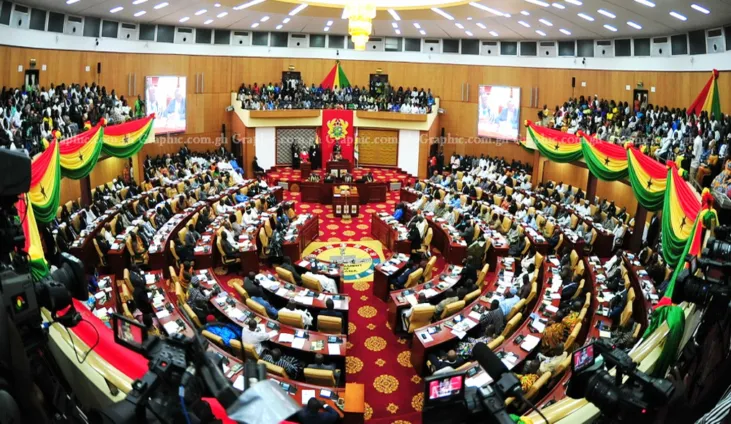
Ghana’s Parliament is the legislative body that makes laws and oversees the executive.
-
Members of Parliament are elected every four years, on the same day as the presidential election.
-
Ghana uses a first-past-the-post system: the candidate with the most votes in a constituency wins the seat.
-
The number of constituencies has grown over time and is currently 275, though this can change.
-
To stand for Parliament, a candidate must be a Ghanaian citizen, at least 21 years old, able to read and write, and a registered voter.
-
Parliamentary election disputes are heard by the High Court.
-
The Electoral Commission is responsible for delimiting constituencies, registering voters, and conducting the elections.
What Parliament Does
Before understanding how parliamentary elections work, it helps to understand what Parliament does.

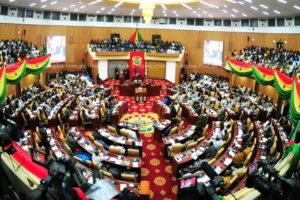
Parliament is the law-making body of Ghana. It debates and passes bills, which become law after presidential assent. It approves the national budget, scrutinises government spending, and holds Ministers and other officials accountable through questions and oversight.
Members of Parliament, or MPs, represent the people of their constituencies. Their job is to bring the concerns of their constituents to the national stage and to ensure that government policies reflect the needs of ordinary Ghanaians.
The quality of Parliament depends on the quality of the people elected to it. That is why parliamentary elections matter.

The Electoral System: First-Past-the-Post
Ghana uses a first-past-the-post system for parliamentary elections. This means:
-
The country is divided into constituencies.
-
Each constituency elects one MP.
-
The candidate with the highest number of valid votes in that constituency wins.
There is no requirement to win an absolute majority. If five candidates contest a seat and one receives 30% of the vote while the others split the rest, the candidate with 30% wins.
This system is simple and produces clear results. But it also means that a candidate can win with less than half the votes, and that a party’s share of seats may not perfectly match its share of the national vote.

Constituencies and How They Are Drawn
The country is divided into parliamentary constituencies. The boundaries of these constituencies are drawn by the Electoral Commission, subject to constitutional requirements.
The Constitution requires the Commission to review constituency boundaries periodically to reflect population changes. The goal is to ensure that constituencies are roughly equal in population, so that each vote carries similar weight.
Drawing boundaries is a sensitive task. It can affect election outcomes, and the Commission must balance population, geography, community interests, and administrative convenience.
The number of constituencies has grown over time as the population has increased. The current number is 275, but this can change following a boundary review.
Who Can Stand for Parliament
To stand for Parliament, a candidate must be:
-
A Ghanaian citizen
-
At least 21 years old
-
Able to read and write
-
A registered voter
The Constitution also disqualifies certain people from standing, including:
-
Persons who have been convicted of certain offences
-
Persons declared insane or of unsound mind
-
Persons holding certain public offices, unless they resign
-
Persons who are not otherwise qualified under the law
Candidates can be nominated by a registered political party or stand as independents. The nomination process requires filing papers with the Electoral Commission in the constituency where the candidate wishes to stand.
How Candidates Are Nominated
The nomination process is managed by the Electoral Commission. A candidate must:
-
Complete the nomination forms
-
Pay the required filing fee
-
Provide the names of registered voters who support the nomination
-
Meet all constitutional and legal requirements
The Commission reviews the nominations and can reject a candidate who does not meet the requirements. Rejection can be challenged in court.
Political parties select their candidates through internal processes, usually primary elections or selection by party leadership. Independent candidates file on their own.
The Campaign
Once nominated, candidates campaign in their constituencies. The campaign period is regulated by law, with rules about:
-
The use of state resources
-
Political advertising
-
Hate speech and incitement
-
Campaign spending
Parliamentary candidates often focus on local issues: roads, schools, healthcare, jobs, water, and sanitation. They also align themselves with their party’s national message and presidential candidate.
The campaign is the opportunity for voters to assess the candidates and decide who will best represent them.
Voting Day
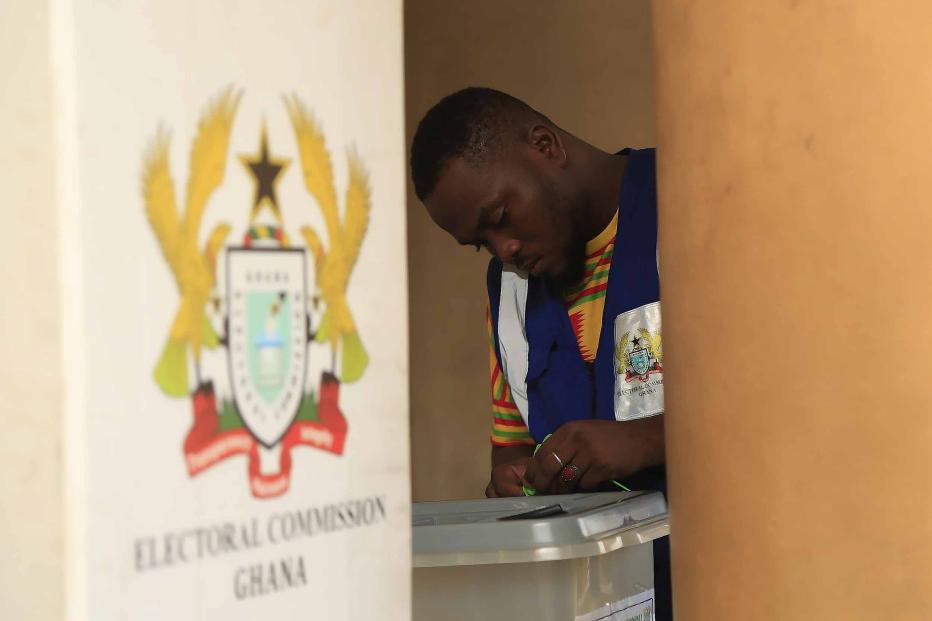
Parliamentary elections are held on the same day as the presidential election. Voters receive two ballot papers: one for the President and one for the MP.
The voting process is the same as for the presidential election:
-
Voters queue at their polling station.
-
They present their voter ID card and are verified against the register.
-
They receive ballot papers and mark their choice in secret.
-
They place the ballots in the appropriate boxes.
Polls open at 7:00 am and close at 5:00 pm, unless there are special circumstances.
Counting and Declaration
Counting for the parliamentary election takes place at the polling station immediately after polls close, in the presence of party agents and observers.
The results are recorded on a results form, which is signed by the presiding officer and the party agents. The results are then sent to the constituency collation centre.
The returning officer for the constituency collates the results from all polling stations and declares the winner. The candidate with the highest number of valid votes wins the seat.
The declaration of the parliamentary result is separate from the presidential result, though both are often announced around the same time.
Election Disputes
A person who is dissatisfied with the result of a parliamentary election can file a petition in the High Court.
The petition must be filed within 21 days of the declaration of the result. The High Court hears the case and can:
-
Uphold the result
-
Overturn the result
-
Order a fresh election
Parliamentary election petitions are common in Ghana. The courts have handled numerous disputes, some resulting in re-runs or changes in the declared winner.
By-Elections
If an MP dies, resigns, or is otherwise unable to continue in office, a by-election is held in that constituency.
By-elections are conducted by the Electoral Commission under the same rules as general elections. They can be highly competitive, as parties and candidates fight for the vacant seat.
The Role of Political Parties
Political parties are central to parliamentary elections. They:
-
Select and nominate candidates
-
Provide campaign resources and support
-
Mobilise voters
-
Deploy agents to polling stations
-
Shape the national political debate
Most MPs are elected on party tickets. Independent MPs exist, but they are relatively rare. Party affiliation gives candidates access to machinery and resources that independents often lack.
Why Parliamentary Elections Matter
Parliamentary elections matter because Parliament matters. The people elected to Parliament:
-
Make laws that affect everyday life
-
Approve the budget and oversee spending
-
Question Ministers and hold the executive to account
-
Represent the interests of their constituents
A strong Parliament requires strong MPs. The quality of the people elected depends on the choices voters make. Understanding the system helps voters make informed choices.
Common Misconceptions
“The MP is elected by the whole country”
No. Each MP is elected by the voters of a specific constituency. You vote for the MP who represents your area, not the whole country.
“A candidate needs 50% to win a parliamentary seat”
No. The first-past-the-post system means the candidate with the most votes wins, regardless of percentage. The 50% threshold applies to the presidential election, not the parliamentary one.
“Independent candidates cannot win”
Independent candidates can and have won parliamentary seats, though they face significant challenges. Party machinery is powerful, but a strong independent with local support can win.
“The Electoral Commission can change constituency boundaries at will”
The Commission must follow constitutional and legal requirements. Boundary changes are subject to rules and can be challenged.
“Parliamentary results cannot be challenged”
Parliamentary results can be challenged in the High Court. The courts have overturned results and ordered re-runs in the past.
Frequently Asked Questions
How many constituencies are there in Ghana?
The number is currently 275, but it can change following a boundary review. Check the Electoral Commission for the latest figure.
Can I vote for an MP from a different constituency?
No. You vote in the constituency where you are registered. You can only vote for the candidates standing in that constituency.
What happens if an MP dies in office?
A by-election is held in the constituency to elect a new MP.
Do I have to belong to a political party to vote?
No. Voting is open to all registered voters, regardless of party affiliation.
How long is an MP’s term?
An MP serves a four-year term, matching the presidential term. MPs can be re-elected without term limits.
What qualifications do I need to stand for Parliament?
You must be a Ghanaian citizen, at least 21 years old, able to read and write, and a registered voter. You must also not be disqualified under the Constitution.
How are parliamentary election disputes resolved?
Disputes are heard by the High Court. Petitions must be filed within 21 days of the declaration of results.
What to Remember
Parliamentary elections are the foundation of representative democracy in Ghana. They determine who sits in the chamber that makes the laws, approves the budget, and holds the government to account.
The system is simple: the candidate with the most votes in a constituency wins. But behind that simplicity lies a complex process of boundary drawing, candidate nomination, campaigning, voting, counting, and dispute resolution.
The next time you vote in a parliamentary election, remember that you are not just choosing a person. You are choosing the direction of your constituency and your country. Understanding how the system works is the first step to making that choice wisely.
Source: The Accra Daily Mail

Samuel Kwame Boadu is a Ghanaian media entrepreneur and storyteller with a passion for amplifying urban voices and uncovering everyday truths. He is the Editor-in-Chief and Founder of The Accra Daily Mail, a dynamic digital platform dedicated to capturing the pulse of Ghana’s capital—its people, culture, challenges, business, sports and innovations.