












Every year, Ghanaians living abroad send billions of dollars back home. The money goes to families, friends, communities, and businesses. It pays school fees, builds houses, covers medical bills, starts small enterprises, and keeps households afloat during hard times.
Yet remittances are often overlooked in discussions about Ghana’s economy. The headlines focus on exports, government debt, and the cedi. But the money sent by Ghanaians abroad is one of the largest and most stable sources of foreign exchange the country has — and it touches more lives more directly than many other economic flows.
This Accra Daily Mail article explains what remittances are, why they matter, how they are sent, and what they mean for Ghana’s economy and for the families who receive them.
Quick Facts
-
Remittances are money sent by individuals working abroad to their home country.
-
Remittances to Ghana run into billions of dollars each year, making them one of the largest sources of foreign exchange.
-
Remittances are sent through banks, money transfer operators, and increasingly through mobile money.
-
Remittances support household consumption, education, health, housing, and small businesses.
-
Remittances are generally more stable than commodity prices or foreign investment flows.
-
The cost of sending remittances varies by channel and corridor.
-
Remittances help reduce poverty and support economic resilience.
What Remittances Are
A remittance is money sent by a person working or living abroad to someone in their home country. The sender is usually an emigrant — a Ghanaian who has moved to another country for work, education, or other reasons. The recipient is usually a family member or close associate.

Remittances can be small or large, regular or occasional. A nurse in the United Kingdom might send £200 every month to her mother in Kumasi. A construction worker in Qatar might send $500 every quarter to his wife in Tamale. A student in Canada might send money occasionally to support siblings.
The amounts vary, but the pattern is consistent: individuals abroad sharing part of their earnings with people back home.
How Large Are Remittances to Ghana?
Remittances to Ghana are substantial. According to data from the Bank of Ghana and the World Bank, remittances run into billions of dollars annually. In recent years, they have often exceeded foreign direct investment and development assistance.

The exact figures vary from year to year, but the scale is clear: remittances are one of the largest sources of foreign exchange for Ghana.
This is not unique to Ghana. Across Africa and the developing world, remittances have grown rapidly and now exceed official development assistance in many countries. For Ghana, the diaspora is a major economic actor, even if its contributions are sometimes underappreciated.
Why Remittances Matter
A Major Source of Foreign Exchange
Remittances bring foreign currency into Ghana. This is crucial because Ghana needs foreign exchange to pay for imports, service external debt, and meet other international obligations.

Unlike export earnings, which depend on volatile commodity prices, remittances tend to be more stable. People continue to send money home even during global downturns, because family obligations do not disappear when economic conditions worsen.
This stability makes remittances a valuable buffer. When exports fall or investment flows reverse, remittances often continue, helping to support the cedi and cushion the economy.
Direct Support for Households
The most visible impact of remittances is at the household level. The money is used for:
-
Food and daily expenses
-
School fees and educational materials
-
Healthcare and medicines
-
Rent and housing
-
Funerals and family ceremonies
-
Building and renovating homes
-
Starting or supporting small businesses
For many families, remittances are the difference between getting by and going without. They are not a luxury; they are a lifeline.
Investment and Development
Remittances also fund investment. Some recipients use the money to start businesses, buy equipment, or invest in agriculture. Others build houses, which creates jobs in construction and related trades.
The developmental impact of remittances is debated — some argue that too much goes to consumption and too little to productive investment — but the evidence shows that remittances do contribute to improved living standards, education, and health.
Poverty Reduction
Remittances reduce poverty. Households that receive them are less likely to fall into extreme poverty and more likely to keep children in school and access healthcare.
The effect is not just financial. It is also about resilience. A family with a relative abroad has a safety net that others lack. When shocks come — illness, crop failure, job loss — the remittance provides a cushion.
How Remittances Are Sent
Banks
Traditional bank transfers are one channel for remittances. Banks offer international money transfer services, though the cost and speed can vary.
Money Transfer Operators
Money transfer operators such as Western Union, MoneyGram, and others are widely used. They offer fast transfers that can be collected in cash at agent locations across Ghana.
Mobile Money
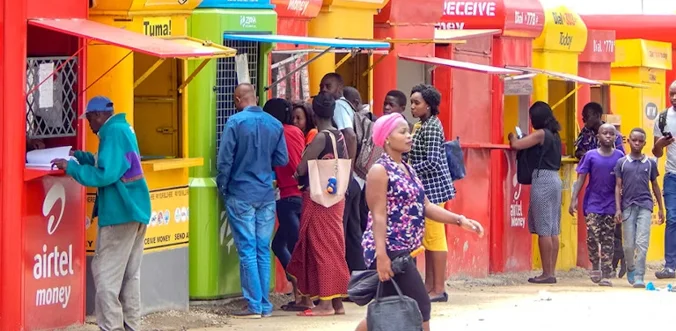
Mobile money has transformed remittances in recent years. Senders abroad can now send money directly to a recipient’s mobile money wallet in Ghana. The recipient receives a notification and can withdraw cash or use the funds electronically.
Mobile money has reduced costs, increased speed, and expanded access, especially in rural areas where traditional banking infrastructure is limited.
Digital Platforms
A growing number of digital platforms and fintech companies offer international money transfer services. These platforms compete on cost, speed, and convenience.
The Cost of Sending Remittances
The cost of sending money to Ghana varies. It depends on the provider, the sending country, the amount, and the method of delivery.
Global efforts have been made to reduce the cost of remittances, which can be high for small amounts sent through traditional channels. The United Nations Sustainable Development Goals include a target to reduce remittance costs.
Mobile money and digital platforms have helped reduce costs and increase transparency. But costs remain a concern, and senders should compare options.
The Challenges and Limits of Remittances
Remittances are not a cure-all. They have limitations.
Dependency
Some households become dependent on remittances and lose the incentive to earn income locally. This can create vulnerability if the sender loses their job or stops sending.
Brain Drain
The same migration that produces remittances also drains Ghana of skilled workers. Doctors, nurses, teachers, and engineers who leave for better opportunities abroad represent a loss of human capital.
Consumption vs Investment
Much of the money is spent on consumption rather than investment. This is understandable — families have immediate needs — but it limits the long-term developmental impact.
Vulnerability to Host Country Conditions
Remittances depend on the economic conditions in host countries. A recession in Europe or the Gulf can reduce the amount sent, affecting families in Ghana.
The Diaspora Beyond Money
The Ghanaian diaspora contributes more than money. Ghanaians abroad also:
-
Transfer skills and knowledge
-
Invest in businesses and property
-
Advocate for Ghana internationally
-
Support community projects
-
Facilitate trade and cultural exchange
The diaspora is a network, not just a source of cash. Harnessing that network for development requires engagement beyond remittances.
Common Misconceptions
“Remittances are only for poor families”
Remittances go to households across the income spectrum. They support education, housing, and business investment, not just basic consumption.
“Remittances are a form of aid”
No. Remittances are private money earned by individuals and sent to their families. They are not aid, charity, or government support.
“Remittances have no impact on the economy”
Remittances are one of the largest sources of foreign exchange for Ghana. They support the cedi, fund consumption, and contribute to resilience.
“Only Ghanaians in Europe and America send money”
Ghanaians live and work all over the world, including in Africa, the Middle East, Asia, and beyond. Remittances come from many countries.
“Remittances will solve Ghana’s development problems”
Remittances help, but they cannot replace domestic production, good governance, or structural economic change. They are a complement, not a substitute.
Frequently Asked Questions
How much money do Ghanaians abroad send home each year?
The figure runs into billions of dollars annually. Check the latest data from the Bank of Ghana or the World Bank for current figures.
What is the cheapest way to send money to Ghana?
The cheapest method depends on the sending country and amount. Mobile money and digital platforms often offer lower costs than traditional operators. Compare options before sending.
How do remittances affect the cedi?
Remittances bring foreign currency into Ghana, increasing the supply of dollars and supporting the cedi.
Can I receive remittances through mobile money?
Yes. Many providers allow senders abroad to transfer money directly to a mobile money wallet in Ghana.
Are remittances taxed?
The tax treatment of remittances varies. In general, personal remittances are not taxed as income, but this can depend on the circumstances. Check with the Ghana Revenue Authority for current rules.
Why are remittances more stable than other flows?
Because they are driven by family obligations rather than market conditions. People continue to send money home even during economic downturns.
What can the government do to support remittances?
The government can reduce transfer costs, improve financial infrastructure, and create opportunities for diaspora investment. Some countries have dedicated diaspora engagement policies.
What to Remember
Remittances are one of Ghana’s most important economic flows. They bring billions of dollars into the country each year, support millions of households, and provide a stable source of foreign exchange.
They are not a development strategy on their own. But they are a powerful force for resilience, poverty reduction, and household well-being. The money sent by Ghanaians abroad is not just cash — it is care, translated into currency.
The next time you hear about the cedi or the balance of payments, remember the nurse in London, the engineer in Houston, and the trader in Dubai. Their money is part of the story — and part of what keeps Ghana going.
Source: The Accra Daily Mail

Samuel Kwame Boadu is a Ghanaian media entrepreneur and storyteller with a passion for amplifying urban voices and uncovering everyday truths. He is the Editor-in-Chief and Founder of The Accra Daily Mail, a dynamic digital platform dedicated to capturing the pulse of Ghana’s capital—its people, culture, challenges, business, sports and innovations.