



Ghana’s economy is often described in broad strokes — growing, stabilising, recovering. But what do the numbers actually say? This guide presents 25 facts drawn from official sources, covering everything from GDP and inflation to trade, debt, and the digital economy. Each figure is dated and sourced, so you can see not just the number but when it was recorded and where it came from.
Quick Facts
-
Ghana’s GDP grew by 6.2% in the first half of 2026, according to the Ghana Statistical Service.
-
Inflation fell to 3.2% in March 2026, the lowest level in decades.
-
The trade surplus reached $8.8 billion in the first half of 2026, driven by gold exports.
-
Public debt stood at GHS719.52 billion at the end of June 2026, or 45.0% of GDP.
-
Mobile money transaction values reached GH¢492.91 billion in June 2026.
Economic Growth
1. First-half growth (2026). Ghana’s economy grew by 6.2% in the first half of 2026, with second-quarter growth of 6.0% year-on-year.
2. Full-year growth (2025). The economy expanded by 6.0% in 2025, up from 5.8% in 2024 — the strongest annual performance in years.
3. Non-oil growth. The non-oil economy grew by 5.9% in the first half of 2026, showing that growth is not solely dependent on petroleum.
4. Q1 2026 growth. First-quarter growth reached 6.4% year-on-year, the fastest rate in almost a year.
5. GDP size. Ghana’s economy reached $114.1 billion in 2025, making it the eighth-largest economy in Africa, according to President Mahama.
Inflation and Interest Rates
6. Headline inflation (March 2026). Consumer price inflation eased to 3.2% in March 2026, the 15th consecutive month of decline and the lowest level since August 1999.
7. Food inflation. Food and non-alcoholic beverages, which carry 42.7% of the CPI basket, recorded inflation of just 2.3% in March 2026.
8. Services inflation. Despite headline inflation falling, services inflation surged to 7.2% in March 2026, driven by higher school fees, rent, and utility costs.
9. Policy rate. The Bank of Ghana maintained its monetary policy rate at 14% in July 2026, citing global uncertainties.
10. Inflation decline (2025). Inflation fell to 14.6% in 2025 from 22.9%, according to the African Development Bank.
Trade and Exports
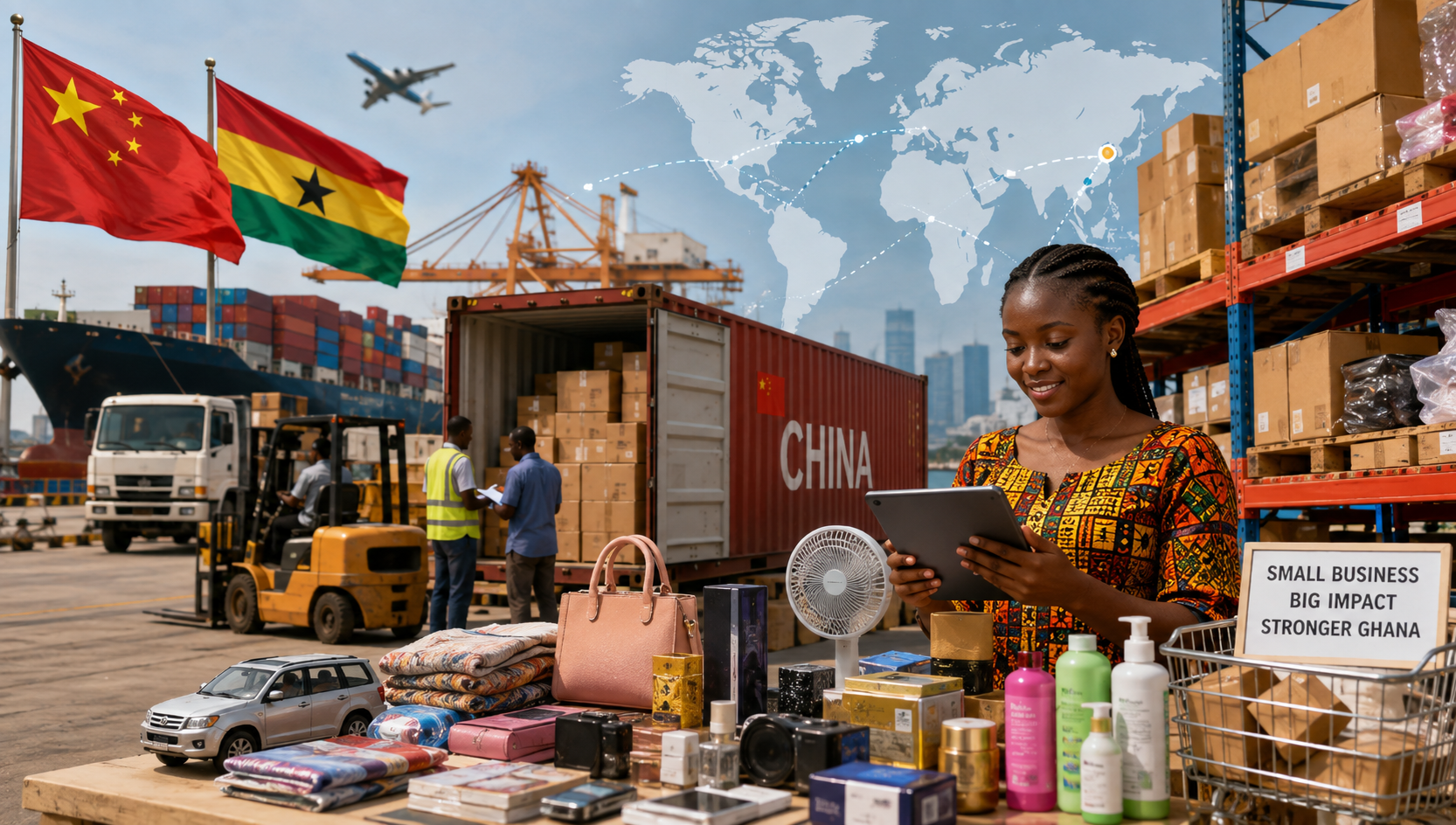
11. Trade surplus (Q1 2026). Ghana recorded a trade surplus of $4.3 billion in the first quarter of 2026, driven largely by gold exports.
12. Exports (Q1 2026). Ghana exported goods worth $10.2 billion in the first quarter of 2026.
13. Imports (Q1 2026). Imports amounted to $5.9 billion in the first quarter of 2026.
14. Gold exports. Gold generated $5.9 billion in export earnings in Q1 2026, making it Ghana’s biggest export.
15. First-half exports. Total export earnings reached a record **$18.2 billion** in the first half of 2026, with gold contributing $12.5 billion.
Public Debt
16. Total public debt. Ghana’s public debt stock increased to GHS719.52 billion at the end of June 2026, representing 45.0% of GDP.
17. Domestic debt. Domestic debt accounted for 54.4% of the total public debt stock.
18. External debt. External debt accounted for 45.6% of the total public debt stock.
19. Debt reduction. The debt-to-GDP ratio fell from 61.8% at the end of 2024 to 44.7% at the end of 2025, reaching 45.0% by June 2026.
Currency and Reserves
20. Cedi depreciation. The cedi depreciated by approximately 9.5% against the US dollar in the first seven months of 2026.
21. Exchange rate. The cedi traded at GH¢11.55 to one US dollar in the interbank market in July 2026.
22. Foreign reserves. Ghana’s foreign exchange reserves stood at about $12.9 billion, enough to cover approximately five months of imports.
Digital Economy
23. Mobile money transactions. Mobile money transaction values reached GH¢492.91 billion in June 2026, with 954 million transactions.
24. Mobile money accounts. Registered mobile money accounts stood at 85 million, with 26 million active accounts and 1,016 thousand registered agents.
25. ICT growth. Information and communication technology expanded by 30.9% in the second quarter of 2026, accounting for 41.5% of total GDP growth
Source: The Accra Daily Mail

Samuel Kwame Boadu is a Ghanaian media entrepreneur and storyteller with a passion for amplifying urban voices and uncovering everyday truths. He is the Editor-in-Chief and Founder of The Accra Daily Mail, a dynamic digital platform dedicated to capturing the pulse of Ghana’s capital—its people, culture, challenges, business, sports and innovations.