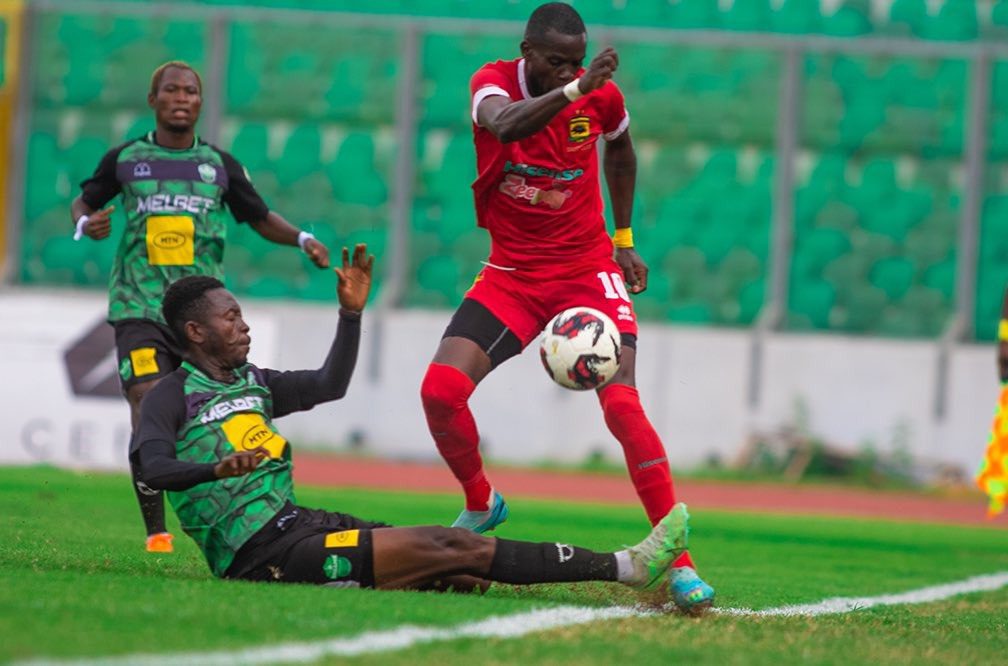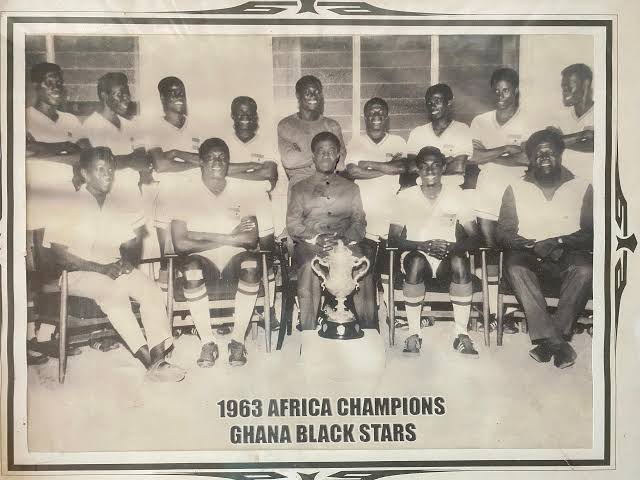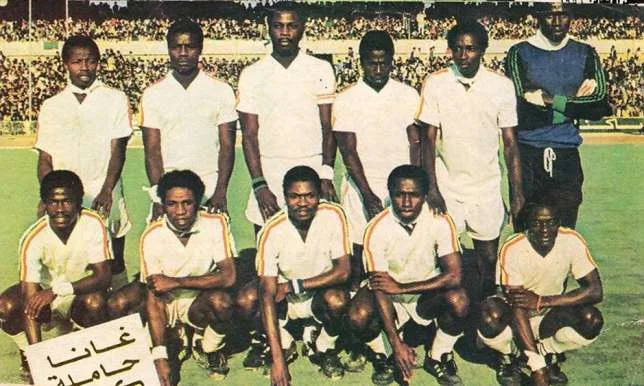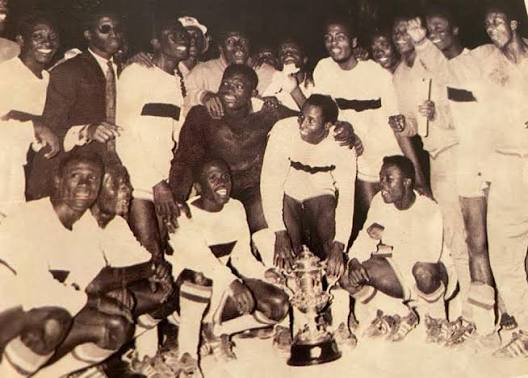

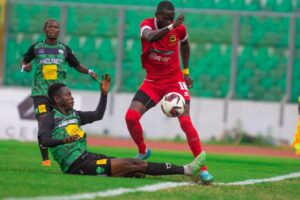
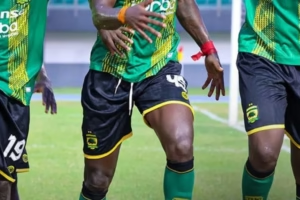
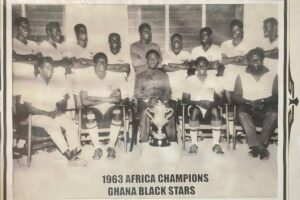
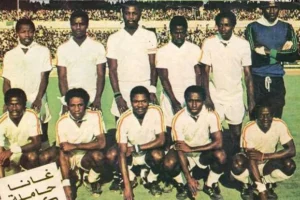
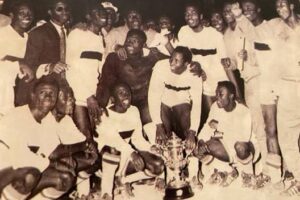
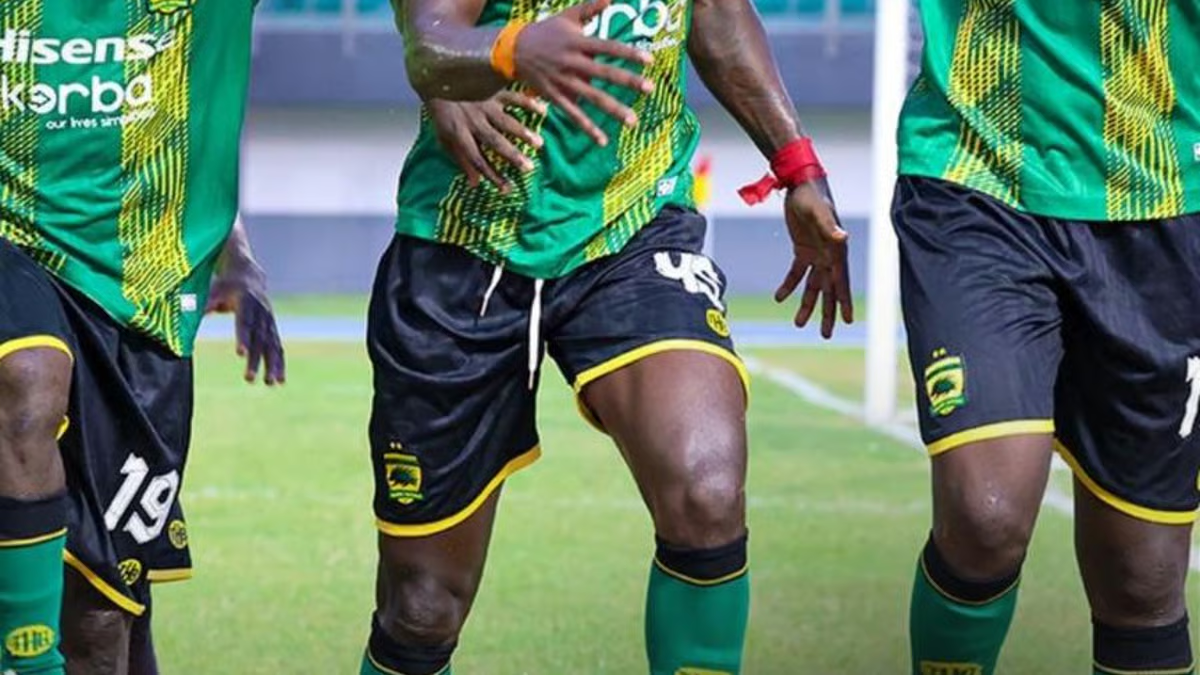
Every weekend during the football season, clubs across Ghana take to the pitch in the country’s top domestic competition. Fans in Accra, Kumasi, Tamale, and beyond follow their teams with passion. Yet for all the attention the league receives, many people do not fully understand how it is organised, who runs it, how clubs qualify, and what the competition means for Ghanaian football.
The Ghana Premier League is the highest level of club football in Ghana. It is the breeding ground for local talent, the stage where future Black Stars players are discovered, and a competition with a long and complex history. Understanding how it works is essential for anyone who cares about Ghanaian football.
This article explains the structure of the Ghana Premier League, its history, the clubs, the season format, promotion and relegation, and the challenges the league faces. It is written for the ordinary fan who wants to go beyond the scores and understand the system.
Quick Facts
-
The Ghana Premier League is the top division of club football in Ghana, governed by the Ghana Football Association.
-
The league typically features 18 clubs, though the number has varied over the years.
-
The season usually runs from around September to June, with each club playing every other club twice — home and away.
-
The club with the most points at the end of the season is crowned champion.
-
The bottom clubs are relegated to the Division One League, while the top Division One clubs are promoted.
-
Hearts of Oak and Asante Kotoko are the most successful and most followed clubs in the league’s history.
-
The league has faced challenges including funding problems, match-fixing allegations, and competition from foreign leagues.
What the Ghana Premier League Is
The Ghana Premier League is the highest division of club football in Ghana. It sits at the top of the domestic football pyramid, above the Division One League and the regional leagues.
The league is organised by the Ghana Football Association, the governing body for football in the country. It is a national competition, with clubs from different regions competing against each other over the course of a season.
The Premier League is where Ghana’s best domestic players compete. Many of the country’s most famous footballers began their careers in the league before moving abroad. It is also where local coaches, referees, and administrators gain experience.
The History of the League
Organised club football in Ghana dates back to the colonial period. The first national league was established in the 1950s, around the time of independence. Over the decades, the league has changed format, name, and structure several times.
The league was initially dominated by clubs from Accra and Kumasi. Hearts of Oak, based in Accra, and Asante Kotoko, based in Kumasi, emerged as the two giants of Ghanaian football. Their rivalry is one of the oldest and most intense in African football.
The league has survived political changes, economic difficulties, and periods of administrative turmoil. Despite the challenges, it has remained the foundation of the domestic game.
The Structure of the Season
The Ghana Premier League season typically runs from around September to June. The exact dates vary from year to year depending on the calendar and organisational decisions.
The league usually features 18 clubs. Each club plays every other club twice: once at home and once away. This means each club plays 34 matches in a season.
The scoring system is standard: three points for a win, one point for a draw, and no points for a loss. At the end of the season, the club with the most points is declared champion.
If two or more clubs finish level on points, the title may be decided by goal difference or other tie-breakers, depending on the competition rules in force for that season.
Promotion and Relegation
The Ghana Premier League operates a system of promotion and relegation with the Division One League, which is the second tier of Ghanaian football.
At the end of each season, the bottom clubs in the Premier League are relegated to the Division One League. The number of relegated clubs can vary, but it is typically three.
At the same time, the top clubs from the Division One League are promoted to the Premier League. The promotion process may involve playoffs between the winners of the Division One zonal competitions.
This system creates movement between the divisions and ensures that clubs are rewarded for performance. It also means that no club is permanently guaranteed a place in the top flight — even the biggest clubs can be relegated if they perform poorly.
The Clubs
The Ghana Premier League features clubs from across the country, though some regions are more represented than others.
The Big Two
Hearts of Oak and Asante Kotoko are the most successful clubs in Ghanaian football. Both have won the league many times and have large, passionate fan bases. Their meetings, known as the “Super Clash,” are among the biggest events in Ghanaian sport.
Other Notable Clubs
Other clubs have also won the league or competed at a high level. These include Ashanti Gold, Aduana Stars, Medeama, Berekum Chelsea, WAFA, and others. The composition of the league changes from season to season as clubs are promoted and relegated.
Club Ownership and Funding
Most Ghanaian clubs are owned by private individuals, traditional authorities, or community groups. Some are linked to institutions, such as universities or companies. Funding is a persistent challenge, as ticket sales and sponsorships are often insufficient to cover costs.
How the League Is Governed
The Ghana Premier League is governed by the Ghana Football Association. The GFA sets the rules, organises fixtures, appoints referees, and manages disciplinary matters.
The league is run on a day-to-day basis by the GFA’s competitions department, working with the clubs and other stakeholders. The GFA also negotiates broadcast and sponsorship deals, though the league has struggled to secure consistent revenue.
The relationship between the clubs and the GFA has sometimes been tense. Clubs have demanded more autonomy and better revenue sharing, while the GFA has sought to maintain control and enforce regulations.
The Players
The Ghana Premier League features a mix of young talents and experienced professionals. Many players see the league as a stepping stone to careers abroad, while others build long careers at home.
Salaries in the league are modest compared with European leagues. Many players supplement their income through other means. The financial realities of the league mean that talent often leaves quickly when foreign opportunities arise.
Despite this, the league has produced many of Ghana’s greatest players. The technical quality is high, and scouts from around the world watch the competition for emerging talent.
The Fans
The fans are the heart of the league. Matches at Hearts of Oak and Asante Kotoko, in particular, draw large crowds and create intense atmospheres.
But attendance is uneven. Some matches are played in near-empty stadiums, reflecting the financial and logistical challenges facing the league. The rise of foreign football on television has also drawn attention away from the domestic game.
Efforts to attract fans back to the stadiums have included improved facilities, better marketing, and broadcast deals, but progress has been slow.
The Challenges
Funding
The most persistent challenge is money. Clubs struggle to pay players, maintain facilities, and cover travel costs. The league lacks the lucrative broadcast deals that sustain competitions elsewhere. Sponsorship has been inconsistent, and the GFA has limited resources.
Match-Fixing and Corruption
The league has been affected by match-fixing scandals and allegations of corruption. The 2018 investigative documentary that exposed corruption in Ghanaian football also implicated league matches. Trust in the integrity of the competition has been damaged.
Player Exodus
The best players often leave Ghana at a young age, seeking better pay and opportunities abroad. This weakens the league and makes it harder to build competitive clubs.
Infrastructure
Many stadiums and training facilities are in poor condition. The lack of quality infrastructure affects player development and the matchday experience.
Administration
Disputes between clubs, the GFA, and other stakeholders have disrupted seasons. Administrative instability has led to cancelled seasons, legal battles, and uncertainty.
The Importance of the League
Despite its challenges, the Ghana Premier League remains vital.
It is the primary pathway for local talent. Players who cannot go abroad need a competitive domestic league to develop and earn a living. The league also provides a sense of identity and community for fans across the country.
The success of the Black Stars depends on the health of the domestic game. A strong league produces better players, better coaches, and a stronger football culture. Neglecting the league ultimately weakens the national team.
Common Misconceptions
“The Ghana Premier League is a small competition”
The league has a long history and significant following. It is one of the most important domestic competitions in West Africa.
“Only Hearts of Oak and Asante Kotoko matter”
The big two are dominant, but other clubs have won the league and contributed to its history. The league would be poorer without its diversity.
“The league is corrupt, so it doesn’t matter”
Corruption is a problem, but the league still matters. Reforming it is possible, and the competition remains important for players and fans.
“All good Ghanaian players go straight to Europe”
Many players go abroad after showing their quality in the league. The league is a crucial development stage.
“The league season never finishes”
Seasons have been disrupted, but most are completed. The calendar has been unstable, but efforts are being made to improve consistency.
Frequently Asked Questions
How many teams are in the Ghana Premier League?
The league usually features 18 clubs, though the number has varied. Check the current season’s format from the GFA.
When does the season run?
The season typically runs from around September to June, but the exact dates vary.
How does a club qualify for the league?
Clubs qualify by winning promotion from the Division One League. New clubs cannot simply join.
What happens to the bottom clubs?
The bottom clubs are relegated to the Division One League at the end of the season.
Who owns the clubs?
Clubs are owned by individuals, traditional authorities, community groups, or institutions. Ownership structures vary.
How can I watch matches?
Matches are broadcast on television and streamed online, though coverage varies. Attending matches in person is also an option.
Can a relegated club return to the league?
Yes. Relegated clubs can win promotion back to the Premier League in future seasons.
What to Remember
The Ghana Premier League is the foundation of Ghanaian football. It is where talent is developed, rivalries are forged, and communities come together. It has produced generations of great players and remains a vital part of the country’s sporting identity.
The league faces real challenges — funding, governance, infrastructure, and the constant drain of talent abroad. But it also has enormous potential. With the right investment and management, it can be a source of pride and a driver of development.
The next time you watch a Premier League match or follow the scores, remember that you are watching the base of the pyramid. The Black Stars may be the peak, but the league is where the journey begins.
Source: The Accra Daily Mail

Samuel Kwame Boadu is a Ghanaian media entrepreneur and storyteller with a passion for amplifying urban voices and uncovering everyday truths. He is the Editor-in-Chief and Founder of The Accra Daily Mail, a dynamic digital platform dedicated to capturing the pulse of Ghana’s capital—its people, culture, challenges, business, sports and innovations.