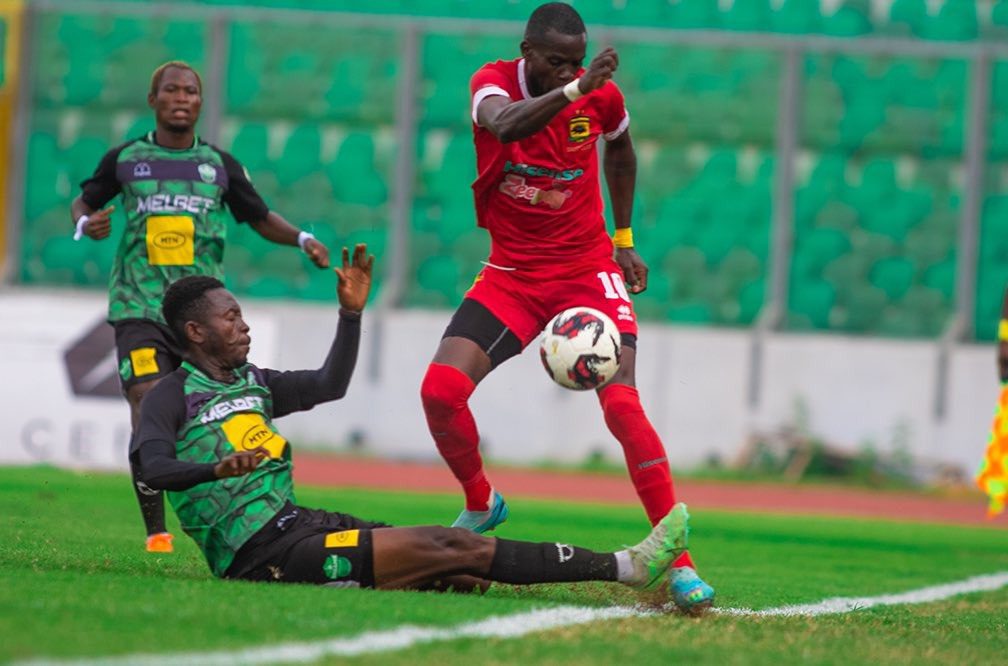

The Black Stars are more than just a football team. They are a national institution, a source of pride, and at times a source of heartbreak. When the team plays, conversations pause, workplaces slow down, and millions of Ghanaians turn their attention to the same match. Yet for all the passion the team inspires, many fans do not fully understand how the national team actually works.
Who selects the players? How does the team qualify for tournaments? Who funds it? What role does the Ghana Football Association play? What happens between tournaments? These questions matter because the answers shape the team’s performance and its relationship with the public.
This article explains how Ghana’s national football team operates. It covers the structure, the key institutions, the selection process, the competitions, and the controversies that have shaped the team’s modern history. It is written for ordinary fans who want to understand the machinery behind the matches.
Quick Facts
-
The Black Stars are Ghana’s senior men’s national football team, governed by the Ghana Football Association.
-
The team represents Ghana in international competitions, including the FIFA World Cup, the Africa Cup of Nations, and regional tournaments.
-
The Ghana Football Association is responsible for organising, managing, and funding the national team.
-
Players are selected by the national team coach, who is appointed by the GFA.
-
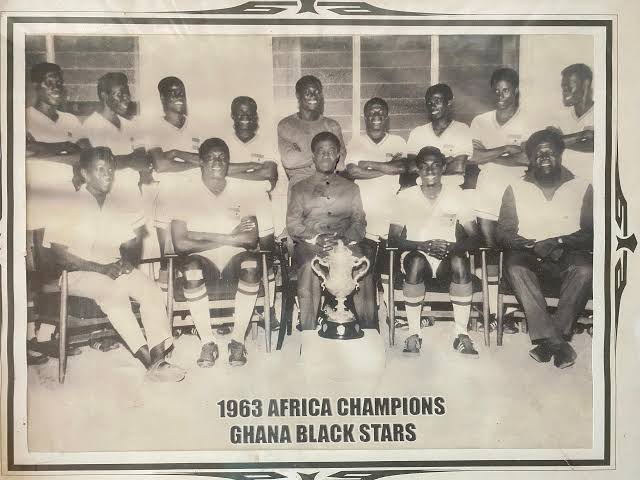
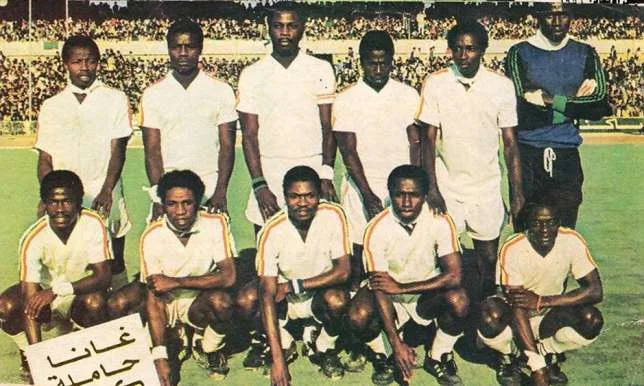
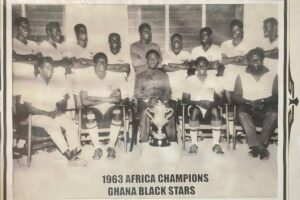
Ghana has won the Africa Cup of Nations four times: in 1963, 1965, 1978, and 1982.
-
The Black Stars have qualified for four FIFA World Cups: 2006, 2010, 2014, and 2022.
-
Eligibility to play for Ghana is determined by FIFA rules, which allow players with Ghanaian heritage to represent the country under certain conditions.
What the Black Stars Are
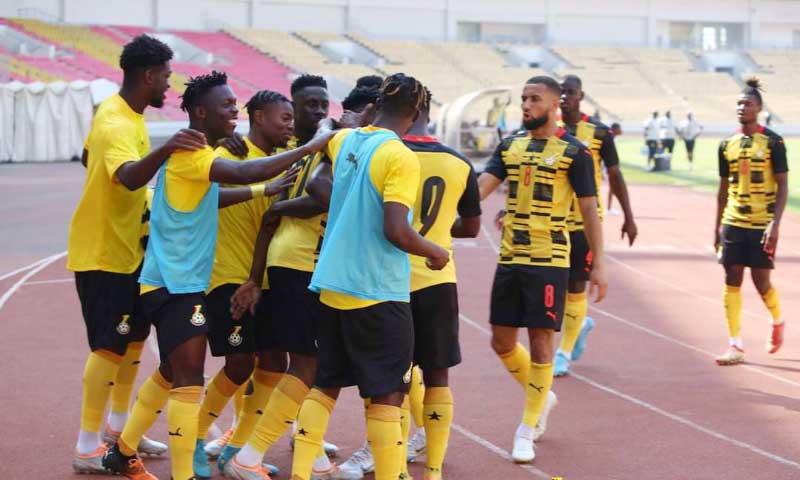
The Black Stars are the senior men’s national football team of Ghana. The name “Black Stars” comes from the black star in the centre of Ghana’s national flag, which symbolises African emancipation. The team has carried that name since the country’s early years of independence.
The Black Stars are not a club. They do not play in a league every week. They are a representative team, assembled periodically to compete in international matches and tournaments. The players who make up the squad are drawn from clubs around the world, from Accra and Kumasi to London, Milan, and Istanbul.
The team’s purpose is to represent Ghana on the international stage. It is the pinnacle of Ghanaian football, the team for which players and fans alike feel the deepest sense of national connection.
The Ghana Football Association
The Ghana Football Association, commonly called the GFA, is the governing body for football in Ghana. It is responsible for:
-
Organising domestic competitions, including the Ghana Premier League
-
Managing the national teams, including the Black Stars and the women’s national team, the Black Queens
-
Appointing coaches
-
Negotiating contracts and sponsorships
-
Representing Ghana in international football bodies
-
Developing football at all levels
The GFA is a member of the Confederation of African Football and FIFA, the world governing body. It operates under rules set by those organisations as well as its own statutes.
The GFA’s relationship with the state is complex. The association is technically independent, but the government has often played a role in funding and supporting the national team. The Ministry of Youth and Sports has historically provided financial support for Black Stars tournaments, creating a mix of state and football association involvement.
How Players Are Selected
The selection of players for the Black Stars is the responsibility of the national team coach. The coach, in consultation with the technical staff, chooses a squad for each match or tournament.
There are no fixed rules about who must be selected. The coach looks for players who:
-
Are eligible to represent Ghana
-
Are in good form at their clubs
-
Fit the tactical system the coach wants to play
-
Are available and committed
Eligibility
Eligibility is governed by FIFA rules. A player can represent Ghana if:
-
They were born in Ghana, or
-
They have Ghanaian parentage or grandparentage, or
-
They have acquired Ghanaian nationality and meet FIFA’s residence requirements
This means players born abroad to Ghanaian parents can represent the Black Stars, provided they have not represented another country at senior level in a competitive match. Many Black Stars players have been born in Ghana and moved abroad to play professionally. Others were born in Europe or elsewhere to Ghanaian families.
The issue of dual-nationality players has sometimes been controversial. Supporters debate whether the team should rely on players born abroad or invest more in locally based talent. In practice, the coach selects the best available players regardless of where they were born, within FIFA rules.
The Club vs Country Question
National team coaches must work with clubs. Clubs employ the players and pay their salaries. When a player is called up for international duty, the club must release them for certain matches and tournaments. This is governed by FIFA regulations.
Sometimes clubs are reluctant to release players, especially if the player is injured or the tournament conflicts with club commitments. The coach and the GFA must negotiate these issues carefully.
How the Coach Is Appointed
The head coach of the Black Stars is appointed by the Ghana Football Association. The appointment is one of the most important decisions the GFA makes, and it is often the subject of intense public debate.
The GFA typically interviews candidates and selects the person it believes can lead the team to success. Coaches may be Ghanaian or foreign. Some appointments have been celebrated; others have been criticised. The coach’s contract usually includes performance targets, such as qualifying for tournaments or reaching a certain stage.
The coach is supported by a technical team, which may include assistant coaches, a goalkeeping coach, fitness trainers, medical staff, and analysts. The full technical team travels with the squad for matches and tournaments.
The Competitions the Black Stars Play
The Africa Cup of Nations
The Africa Cup of Nations, known as AFCON, is the premier continental tournament in African football. It is organised by the Confederation of African Football and held every two years.
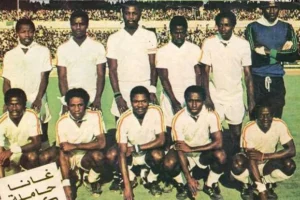
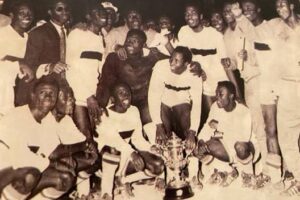
Ghana has a proud history in AFCON. The Black Stars won the tournament four times: 1963, 1965, 1978, and 1982. The team has also been runners-up on several occasions, including in 1992, 2010, and 2015.
Qualification for AFCON is through a series of group matches played over several months. The Black Stars must finish in a qualifying position in their group to reach the final tournament.
The FIFA World Cup
The FIFA World Cup is the biggest tournament in world football, held every four years. Ghana first qualified for the World Cup in 2006, reaching the second round. The team qualified again in 2010, reaching the quarter-finals, and in 2014 and 2022.
World Cup qualification is a long and difficult process. African teams compete in group stages and knockout rounds to earn one of the limited spots allocated to the continent.
Other Competitions
The Black Stars also compete in:
-
The African Nations Championship, restricted to players based in their domestic leagues
-
The West African Football Union Cup
-
Friendly matches against other national teams
-
Olympic qualifiers, though the Olympic team is separate from the senior Black Stars
Each competition has its own format and qualification process.
How the Team Is Funded
Funding for the Black Stars comes from several sources.
Government Support
The Government of Ghana has historically provided significant funding for the national team, especially for major tournaments. This includes costs such as travel, accommodation, allowances, and bonuses. The Ministry of Youth and Sports oversees this support.
Government funding is sometimes controversial. Critics argue that the state spends too much on football while other sports are neglected. Supporters argue that the Black Stars are a national priority and a source of unity.
Sponsorships and Commercial Deals
The GFA negotiates sponsorship and commercial agreements. These may include kit deals, beverage partnerships, and other commercial arrangements. The revenue helps fund the team’s operations.
FIFA and CAF Contributions
FIFA and CAF provide funding to member associations, including for national team programmes. Tournament participation also generates prize money.
Bonuses and Allowances
Player bonuses have been a recurring source of tension. Disputes over appearance fees and win bonuses have, at times, disrupted preparations and caused public disputes. The GFA and the players have negotiated these terms through various mechanisms over the years.
What Happens Between Tournaments
The Black Stars do not play every week. Between tournaments and qualifiers, the team is dormant for long periods. During these times, the focus shifts to:
-
Monitoring player form at their clubs
-
Scouting new talent
-
Planning upcoming fixtures
-
Arranging friendly matches
-
Managing player fitness and relationships
The coach and technical staff remain active even when there are no matches. They watch players, communicate with clubs, and prepare for the next international window.
The Structure of a Match Day
On match day, the Black Stars operate like a well-organised operation. The team arrives at the venue in a coordinated manner. Players warm up, receive final instructions, and take the field. The coach makes tactical decisions during the match, including substitutions.
Behind the scenes, the technical and medical staff manage logistics, equipment, and player welfare. Security is arranged in coordination with the host authorities. Media operations handle interviews and press conferences.
The visible 90 minutes on the pitch are the result of days of preparation, planning, and coordination.
The Women’s National Team and Youth Teams
While this article focuses on the Black Stars, it is worth noting that Ghana’s football structure extends beyond the senior men’s team.
The Black Queens are the senior women’s national team. They compete in the Women’s Africa Cup of Nations and other competitions. Ghana also has youth national teams — the Black Satellites (under-20), the Black Starlets (under-17), and others — that serve as development pathways for future Black Stars.
These teams are also managed by the GFA and represent Ghana in international competitions.
The Challenges the Team Faces
Player Availability
Injuries, club commitments, and timing issues sometimes prevent the best players from featuring. The coach must manage a squad that changes from match to match.
Administrative Issues
The GFA has faced administrative challenges over the years, including governance disputes, funding problems, and controversies over player bonuses. These issues have sometimes affected team preparation.
Public Expectations
Ghanaians expect the Black Stars to win. When results are poor, criticism is intense. The pressure can affect players and coaches, and managing expectations is part of the job.
Infrastructure
Training facilities, pitches, and medical infrastructure have at times been inadequate. Investment in these areas remains an ongoing need.
The Scandal That Shook Ghanaian Football
In 2018, an investigative documentary revealed widespread corruption in Ghanaian football, including allegations involving senior GFA officials. The scandal led to the dissolution of the GFA, government intervention, and the creation of a normalisation committee that oversaw reforms.
The episode was a turning point. It damaged public trust and forced a re-examination of how football was governed in Ghana. Reforms followed, but the memory of the scandal remains.
Common Misconceptions
“The government picks the players”
The national team coach selects the players. While there may be external pressure, the technical decision rests with the coach and his staff.
“Only players born in Ghana should play for the Black Stars”
FIFA rules allow players with Ghanaian heritage to represent Ghana. Many players born abroad have represented the country with distinction. Eligibility is a legal question, not a measure of patriotism.
“The Black Stars are a government team”
The team is managed by the GFA, though the government provides funding and support. The relationship is complex, but the team is not a government agency.
“A good club player automatically deserves a call-up”
Selection is not automatic. The coach considers form, fitness, tactics, and squad balance. Not every in-form player will be selected, and that is normal.
“The GFA is a private organisation with no accountability”
The GFA is a governing body subject to FIFA and CAF rules, as well as its own statutes. It is accountable to its members and, in broad terms, to the public it serves.
Frequently Asked Questions
How does a player become eligible for the Black Stars?
Eligibility is determined by FIFA rules. A player can represent Ghana if they were born in Ghana, have Ghanaian parentage or grandparentage, or meet naturalisation and residence requirements. They must not have represented another country at senior level in a competitive match.
Who pays the players?
Players receive bonuses and allowances for national team duty. These are funded through GFA resources and government support. The amounts are negotiated and have sometimes been the subject of disputes.
How often does the Black Stars play?
The team plays during international windows and in qualifying campaigns and tournaments. There is no fixed weekly schedule.
What is the difference between the Black Stars and the Black Satellites?
The Black Stars are the senior men’s national team. The Black Satellites are the under-20 men’s team. There are also under-17 and other youth teams.
How can a local player get noticed for the national team?
Local players can get noticed through strong performances in the Ghana Premier League and other competitions. Scouts and the technical staff monitor domestic football.
Does the coach have total control over selection?
The coach leads selection in consultation with the technical staff. There may be external pressures, but the final decision rests with the coach.
What happens when a player is injured on national duty?
The GFA and the player’s club coordinate on treatment and recovery. FIFA regulations also provide some protection for clubs when players are injured on international duty.
What to Remember
The Black Stars are a complex institution. They are not simply eleven players on a pitch. They are the product of a system that includes the GFA, the coach, the technical staff, the players, the government, and the fans. Each part influences the others.
Understanding how the team works does not make the victories sweeter or the defeats less painful. But it does make the journey more intelligible. The next time you watch a Black Stars match, you will know something about the machinery behind the spectacle — the selection decisions, the funding arrangements, the negotiations, and the institutional history that shaped the team.
The Black Stars belong to Ghana. The more Ghanaians understand how the team operates, the better equipped they are to support it, scrutinise it, and hold it to account.
Source: The Accra Daily Mail

Samuel Kwame Boadu is a Ghanaian media entrepreneur and storyteller with a passion for amplifying urban voices and uncovering everyday truths. He is the Editor-in-Chief and Founder of The Accra Daily Mail, a dynamic digital platform dedicated to capturing the pulse of Ghana’s capital—its people, culture, challenges, business, sports and innovations.