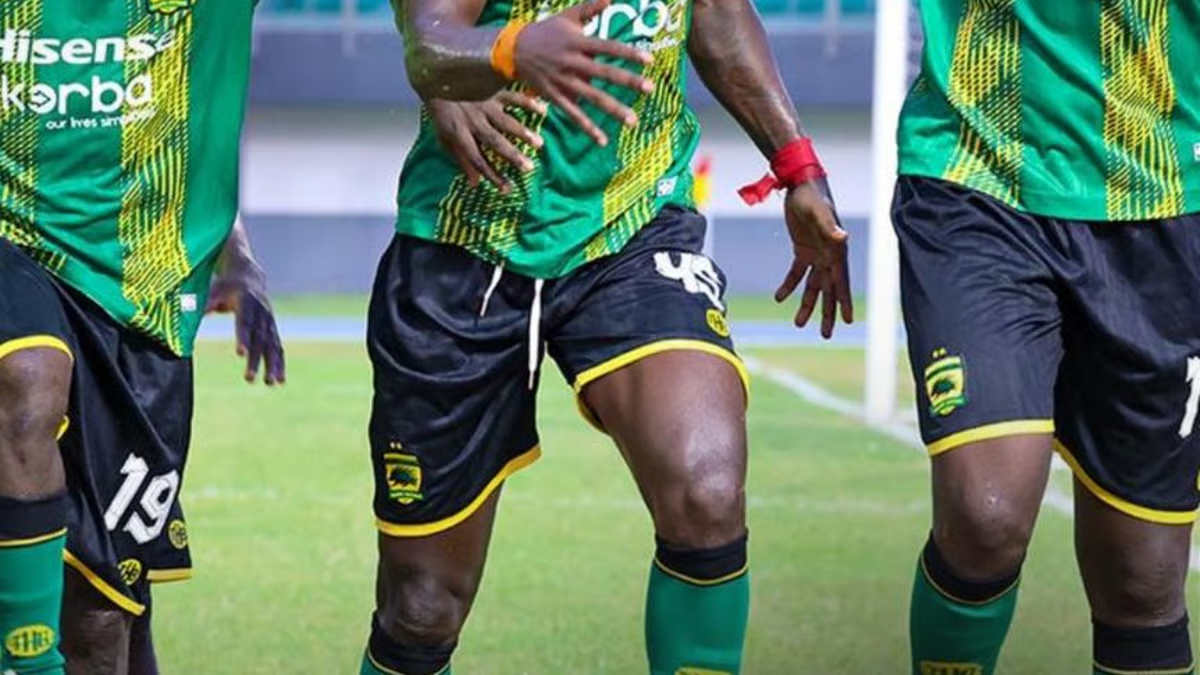






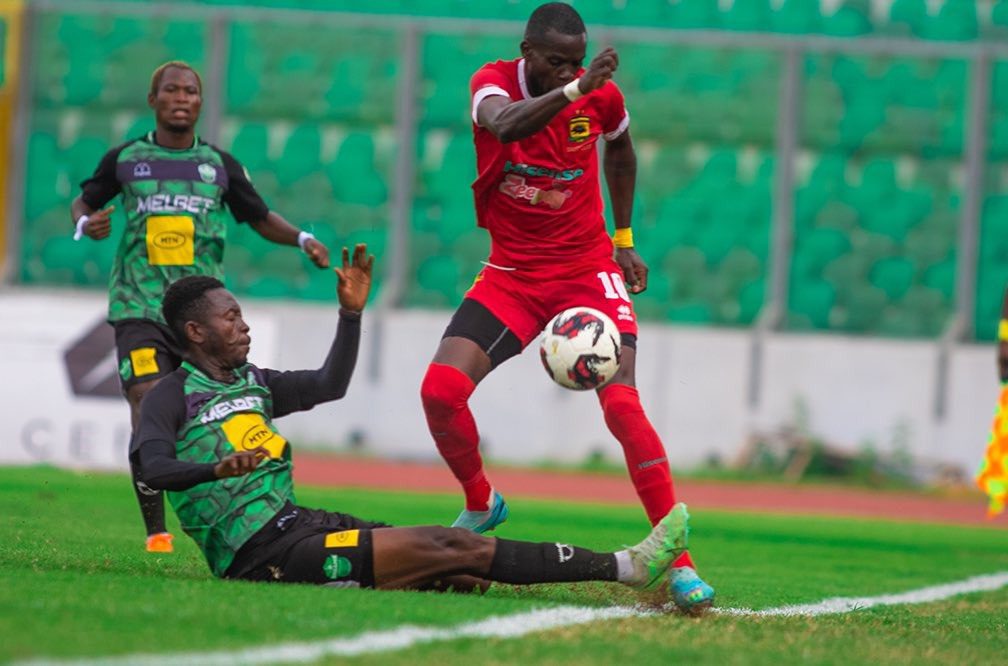

The Ghana Premier League is the oldest and most important domestic football competition in the country. Long before satellite television brought European leagues into Ghanaian living rooms, fans packed stadiums in Accra, Kumasi, Sekondi, and beyond to watch local heroes compete. The league has produced legends, shaped national identity, and served as the foundation for every Black Stars triumph.
Yet the history of the Ghana Premier League is not a simple story of progress. It is a story of glory and decline, of fierce rivalries and administrative failures, of talent discovered and talent lost. Understanding that history helps explain why Ghanaian football looks the way it does today.
This article traces the history of the league from its colonial origins to the present day. It covers the early years, the golden eras, the dominant clubs, the great players, and the challenges that have shaped the competition.
Quick Facts
-
Organised football in the Gold Coast dates back to the early twentieth century, introduced through colonial contact.
-
The first national league was established in the 1950s, around the time of independence.
-
Hearts of Oak and Asante Kotoko are the most successful and most widely supported clubs in the league’s history.
-
The league has changed format and name several times over the decades.
-
Ghanaian clubs have also competed in continental competitions, with Asante Kotoko winning the African Cup of Champions Clubs (now the CAF Champions League) twice.
-
The league has faced significant challenges, including funding problems, player exodus, match-fixing allegations, and administrative crises.
-
Despite the difficulties, the league remains the primary pathway for local football talent in Ghana.
The Colonial Roots of Ghanaian Football
Football arrived in the Gold Coast through European contact in the late nineteenth and early twentieth centuries. Missionaries, soldiers, merchants, and colonial administrators introduced the game, and it spread quickly through schools, towns, and urban centres.

By the 1920s and 1930s, football was already deeply embedded in the social life of the Gold Coast. Clubs were formed, often along ethnic, professional, or neighbourhood lines. Competitions were organised at the local level, and the game became a source of community pride.
The colonial authorities used football as a tool of social control and discipline, but Ghanaians quickly made it their own. The game became a space for expression, competition, and identity formation.
The First National Competitions
Before a unified national league existed, football in the Gold Coast was organised on a regional basis. Clubs competed in local leagues, and the strongest teams met in cup competitions.

The first national league was established in the 1950s, as the country moved toward independence. The league brought together clubs from different regions and created a truly national competition for the first time.
The early years of the league were dominated by clubs from the urban centres, especially Accra and Kumasi. The two giants of Ghanaian football — Hearts of Oak and Asante Kotoko — were already emerging as the most powerful forces in the game.
The Birth of the Giants
Hearts of Oak
Accra Hearts of Oak was founded in 1911, making it one of the oldest football clubs in West Africa. The club’s name and identity are rooted in the local community, and it has always drawn its core support from Accra and the surrounding areas.

Hearts of Oak established itself as a dominant force in the early years of organised football. The club won multiple titles and built a reputation for attractive, attacking football. Its rivalry with Asante Kotoko became the defining contest of Ghanaian football.
Asante Kotoko
Kumasi Asante Kotoko was founded in 1935. The club’s name and symbolism are tied to the Asante Kingdom, and it carries a deep cultural significance for its supporters. Kotoko is often called the “Porcupine Warriors,” a reference to the Asante symbol of resilience.
Kotoko emerged as Hearts of Oak’s great rival, and the two clubs have competed for supremacy since the early days of the national league. Their meetings, known as the “Super Clash,” are among the most anticipated events in Ghanaian sport.
The Early Decades: 1950s to 1970s
The first decades of organised league football in Ghana were marked by fierce competition and the establishment of the league as a national institution.
The league was not yet fully professional, and players often combined football with other work. But the standard was high, and the passion of the fans was intense.
During this period, the league produced many of the players who would later star for the Black Stars. The national team’s triumphs at the Africa Cup of Nations in 1963, 1965, 1978, and 1982 were built on the foundation of a strong domestic league.
The Golden Era of Club Football
The 1960s and 1970s are often remembered as a golden era for Ghanaian club football. The league was competitive, well-attended, and respected across the continent.
Asante Kotoko was particularly dominant. The club won multiple league titles and established itself as one of the strongest teams in Africa. In 1970, Kotoko won the African Cup of Champions Clubs, the predecessor of the modern CAF Champions League, becoming the first Ghanaian club to achieve continental glory. Kotoko won the competition again in 1983.
Hearts of Oak also enjoyed success, winning league titles and competing strongly in continental competitions. The club’s supporters and identity made it a permanent force in Ghanaian football.
The Continental Dimension
Ghanaian clubs have a proud record in African club competitions. Asante Kotoko’s two continental titles are the highlight, but other clubs have also performed well.
The continental competitions gave Ghanaian clubs exposure and prestige. They also created opportunities for players to showcase their talents beyond Ghana.
However, the financial demands of continental competition have often been a strain. Travel, logistics, and the cost of maintaining a competitive squad have made it difficult for Ghanaian clubs to consistently challenge the best teams on the continent.
The Decline: 1980s to 1990s
The 1980s and 1990s brought significant challenges. The Ghanaian economy faced difficulties, and the league was affected by funding shortages, poor infrastructure, and the departure of top players.
Many of the best Ghanaian footballers left to play abroad, drawn by better pay and opportunities in Europe and elsewhere. The domestic league lost talent, and the standard of play declined.
Attendance also fell. The rise of televised European football gave fans a new point of comparison, and the local game struggled to compete. Stadiums that had once been full were often half-empty.
Despite the decline, the league continued. Clubs survived, and the next generation of players continued to emerge. The decline was relative, not absolute — the league was still the most important domestic competition in the country.
The Early 2000s: Signs of Revival
The early 2000s brought some signs of revival. Ghana’s success at youth level, including World Cup victories at under-17 level, generated excitement and attention.
Hearts of Oak won the CAF Champions League in 2000, a moment of continental glory that reminded Ghanaians of the potential of their clubs. The league also benefited from improved organisation and increased media coverage.
The revival was not sustained, however. The underlying problems — funding, infrastructure, governance — remained unresolved.
The Modern Era: Challenges and Crises
The modern era of the Ghana Premier League has been marked by significant challenges.
Match-Fixing and Corruption
The league has been affected by match-fixing scandals and allegations of corruption. The 2018 investigative documentary that exposed corruption in Ghanaian football also implicated league matches. The scandal damaged public trust and led to the dissolution of the Ghana Football Association and subsequent reforms.
Administrative Instability
The league has been disrupted by administrative disputes, legal battles, and changes in leadership. Seasons have been delayed or cancelled, and the competition’s calendar has been unstable.
Player Exodus
The departure of top players to foreign leagues has continued. The best talents often leave Ghana at a young age, seeking better pay and opportunities. This weakens the league and makes it harder to build competitive clubs.
Funding Problems
Funding remains a persistent challenge. Clubs struggle to pay players and staff, maintain facilities, and cover travel costs. The league lacks the lucrative broadcast deals that sustain competitions elsewhere.
The Impact of COVID-19
The COVID-19 pandemic brought additional disruption. The 2019-2020 season was cancelled, and the league was suspended for extended periods. The pandemic exacerbated existing financial problems.
The Great Players of the League
The Ghana Premier League has produced many of the country’s greatest footballers.
Osei Kofi
Osei Kofi starred for Asante Kotoko in the 1960s and was one of the most gifted players of his era. His pace and goalscoring made him a legend.
Abedi Pele
Abedi Pele began his career in Ghana before moving abroad to become one of Africa’s greatest players. His talent was first showcased in the local league.
Tony Yeboah
Tony Yeboah emerged from the Ghanaian league before making his name in Germany and England. His powerful striking made him a fan favourite wherever he played.
Stephen Appiah
Stephen Appiah played in Ghana before moving to Italy and beyond. His leadership and quality were first evident in the local game.
Asamoah Gyan
Asamoah Gyan began his career in Ghana before becoming the Black Stars’ all-time leading scorer at the World Cup.
Michael Essien
Michael Essien’s talent was evident in the local league before he moved to France and then England, where he became one of the best midfielders in the world.
These players represent the league’s role as a talent factory. The league may not be rich, but it has consistently produced footballers of genuine quality.
The Current State of the League
The Ghana Premier League continues to operate, with clubs competing each season for the title. The league remains the primary pathway for local talent and a source of identity for communities across the country.
Efforts have been made to improve the league’s governance, commercial appeal, and competitiveness. Reforms following the 2018 scandal included changes to the GFA’s structure and attempts to restore trust.
But the challenges remain significant. Funding is inadequate. Infrastructure is poor. The best players leave. And the competition struggles to attract the attention it once commanded.
Common Misconceptions
“The Ghana Premier League has always been weak”
The league has had periods of genuine strength and continental success. Its current struggles should not obscure its history.
“Only Hearts of Oak and Asante Kotoko have won the league”
The big two have been dominant, but other clubs have also won titles and contributed to the league’s history.
“The league has no relevance today”
The league remains the foundation of Ghanaian football. Without a strong domestic league, the national team and the sport as a whole suffer.
“Players only go abroad because the league is bad”
Players go abroad because the pay is better and the opportunities are greater. The league’s quality is not the only factor.
“The league’s problems are unsolvable”
Reform is possible. Better governance, investment, and infrastructure can improve the league, but it requires sustained effort.
Frequently Asked Questions
When was the Ghana Premier League founded?
The first national league was established in the 1950s. The exact date depends on how one defines the league’s formal beginning.
Which club has won the most titles?
Hearts of Oak and Asante Kotoko have won the most titles, though the exact counts vary depending on how historical titles are counted.
Has a Ghanaian club ever won the CAF Champions League?
Yes. Asante Kotoko won the African Cup of Champions Clubs in 1970 and 1983. Hearts of Oak won the CAF Champions League in 2000.
Why is the league not as strong as it used to be?
The league has been weakened by funding problems, player exodus, poor infrastructure, and administrative challenges.
Can the league recover?
Recovery is possible but requires investment, good governance, and patience. The talent pool remains strong.
How can I watch the Ghana Premier League?
Matches are broadcast on television and streamed online, though coverage varies. Attending matches in person is also an option.
What is the future of the league?
The future depends on reforms and investment. The league has potential, but realising it requires sustained effort from all stakeholders.
What to Remember
The Ghana Premier League is more than a competition. It is an institution that has shaped Ghanaian football and Ghanaian life for generations. It has produced legends, created memories, and served as the foundation for national success.
The league’s current struggles are real, but they are not the whole story. The story also includes the triumphs of Hearts of Oak and Asante Kotoko, the continental glory of Ghanaian clubs, and the endless stream of talent that has emerged from local pitches.
The next time you watch a league match or follow the scores, remember that you are part of a history that stretches back more than a century. The league has survived wars, economic crises, and administrative failures. It will survive the current challenges too — if Ghanaians continue to care.
Source: The Accra Daily Mail

Samuel Kwame Boadu is a Ghanaian media entrepreneur and storyteller with a passion for amplifying urban voices and uncovering everyday truths. He is the Editor-in-Chief and Founder of The Accra Daily Mail, a dynamic digital platform dedicated to capturing the pulse of Ghana’s capital—its people, culture, challenges, business, sports and innovations.