

Every election season, Ghanaians are bombarded with claims. A politician says the economy grew by 5%. A WhatsApp forward claims a new tax is coming. A viral video shows a minister saying something shocking. Some of it is true. Some of it is false. Some of it is manipulated.
Knowing how to verify a political claim is not just a skill for journalists. It is a form of self-defence. In a crowded information space, the ability to check before you believe—and before you share—is one of the most valuable things you can learn.
Quick Facts
-
Ghana has a dedicated fact-checking coalition: GhanaFact, Fact-Check Ghana, and DUBAWA Ghana formed the Ghana Fact-Checking Coalition to counter election disinformation .
-
GhanaFact is IFCN-verified: It is Ghana’s first full-time fact-checking organisation signatory to the International Fact-Checking Network’s Code of Principles .
-
Most disinformation comes in videos and images: During the 2024 elections, 40.15% of monitored false claims were video-based, and 29.2% were image-based .
-
AI is making it harder: Bad actors used generative AI to create deepfakes and manipulated content during the 2024 elections .
-
Fact-checking is accessible: DUBAWA produces fact-check reports in indigenous languages including Twi and Hausa .
Step 1: Identify the Exact Claim
Before you can check whether something is true, you need to be clear about what is actually being claimed.
Vague statements are harder to verify than specific ones. “The economy is bad” is an opinion. “Inflation was 25.8% in March 2024” is a claim that can be checked. “Mahama never conceded the 2016 election” is a specific factual assertion that can be verified—and was, in fact, found to be false.

When you encounter a claim, write it down in its simplest form. What exactly is being asserted? Who said it? When? This clarity is the first step in verification.
Step 2: Check the Source
Not all sources are equal. The credibility of a claim depends heavily on where it comes from.
Primary sources are the strongest. If a politician says they did something, check the official record. If a government agency releases data, look at the original report. If a law is being debated, read the bill itself.

Reputable media are the next tier. Established outlets with editorial standards are more reliable than anonymous social media accounts. But even reputable media can make mistakes, so cross-checking is still wise.
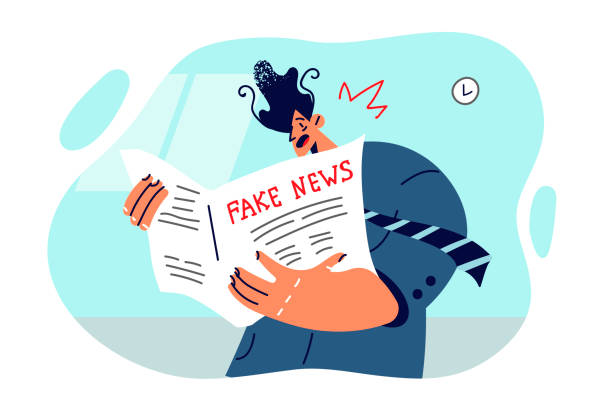
Social media posts are the weakest. A viral tweet or WhatsApp forward has no editorial oversight. It can be entirely fabricated. Fake news cards—graphics designed to look like they came from legitimate media outlets—circulated widely during Ghana’s 2024 elections .
Step 3: Use Reverse Image Search for Photos and Videos
A large share of political disinformation involves images and videos taken out of context or manipulated entirely.

Reverse image search is your most powerful tool here. Google Images, TinEye, and other tools allow you to upload an image or paste a URL to find where else it has appeared online.
This technique is how fact-checkers uncovered a viral image claiming to show a patient in an open vehicle in Nigeria. A reverse image search traced the photo to Ghana—specifically, to a health facility in the Northern Region that lacked ambulance services. The image was real. The claim attached to it was false.
Similarly, GhanaFact used reverse image search to debunk images of President Mahama wearing colourful sneakers. The original video showed him in different clothing entirely. The manipulated images had telltale signs of AI tampering, including distorted hands .
Step 4: Look for Manipulation Signs
Technology has made it easier to fake photos, videos, and audio. But manipulation often leaves traces.
For images: Look for distortions around hands, ears, or hair. Check for inconsistent lighting or shadows. AI-generated images sometimes have unnatural textures or blurred edges where objects meet.
For videos: Watch for sync issues between audio and lip movements. Look for unnatural blinking patterns. Deepfakes often struggle with full-body movement and multiple angles .
For audio: Listen for robotic tones, unnatural pauses, or background noise that doesn’t match. Audio deepfakes are increasingly sophisticated, but still imperfect.
GhanaFact used the Hive Moderation platform—an AI detection tool—to confirm that manipulated images of President Mahama were 96.8% likely to contain AI-generated content .
Step 5: Check the Date
An old video or photo can be reshared to make it look current. This is one of the most common forms of disinformation.
GhanaFact found that a video of Asiedu Nketiah announcing a 2028 flagbearership bid was actually from 2022 . A video of James Agalga visiting the Hajj Village was recirculated after a separate political event. In each case, the content was real—but the timing was false.
When you see a claim, ask: When was this actually recorded? When was this actually said? If the answer is “years ago,” the claim is misleading.
Step 6: Consult Fact-Checking Organisations
Ghana has a robust fact-checking ecosystem. You do not have to do all the work yourself.
GhanaFact is Ghana’s first full-time fact-checking organisation, operated by FactSpace West Africa. It is a signatory to the International Fact-Checking Network’s Code of Principles and adheres to a strict editorial policy focused on accuracy, non-partisanship, and transparency.
Fact-Check Ghana is operated by the Media Foundation for West Africa and was a core member of the Ghana Fact-Checking Coalition during the 2024 elections .
DUBAWA Ghana is part of the Centre for Journalism, Innovation and Development and produces fact-check reports in English and indigenous languages including Twi and Hausa .
During the 2024 elections, these three organisations formed the Ghana Fact-Checking Coalition, operating media situation rooms in Accra and Tamale to monitor and debunk disinformation in real time . Their reports were published across over one hundred media outlets in English and forty-five local languages .
Step 7: Look for Multiple Independent Sources
If a claim is significant, it should be reported by multiple credible outlets. If only one obscure source is covering it, be sceptical.
Cross-checking is especially important for claims about government statistics. If a politician claims that 950,000 people escaped poverty, check whether the Ghana Statistical Service has released data supporting that figure. In fact, GhanaFact found that claim to be false .
A Note on AI and Deepfakes
Generative AI has made disinformation easier to produce and harder to detect. During the 2024 elections, bad actors used AI to create deepfake videos, manipulated images, and fabricated audio .
But AI is not magic. It still struggles with certain tasks—like generating full-body deepfakes from multiple angles in perfect synchronization with lips, audio, and hand movements . And AI detection tools are improving.
The most important defence is not technological. It is scepticism. When something seems designed to provoke a strong emotional reaction—anger, fear, or vindication—pause. Strong emotions are a tool of manipulation.
Frequently Asked Questions
What is the easiest way to check if a photo is real?
Use reverse image search tools like Google Images or TinEye. Upload the image or paste its URL to find where else it has appeared. This can reveal if it was taken out of context or from a different time or place .
Which organisations fact-check political claims in Ghana?
GhanaFact, Fact-Check Ghana (Media Foundation for West Africa), and DUBAWA Ghana are the main fact-checking organisations. They formed the Ghana Fact-Checking Coalition during the 2024 elections .
How can I tell if a video is AI-generated?
Look for unnatural movements, sync issues between audio and lips, distorted hands or faces, and inconsistent lighting. AI detection tools like Hive Moderation can also help .
What is a fake news card?
A fake news card is a graphic designed to look like it came from a legitimate media outlet, but with false or misleading content. These circulated widely during Ghana’s 2024 elections .
Can I trust fact-checking organisations to be unbiased?
GhanaFact is a signatory to the International Fact-Checking Network’s Code of Principles, which requires non-partisanship, transparency of funding, and a commitment to correcting errors. It does not accept funds from politicians or political parties .
What should I do if I see a claim I think is false?
Do not share it. Report it to the platform. If it is significant, alert a fact-checking organisation. Sharing false information—even to debunk it—can amplify its reach.
Why do politicians sometimes label real news as fake?
This is a tactic to undermine trust in credible information. By dismissing authentic footage or reporting as “fake news,” politicians can cast doubt on unfavourable facts. In 2024, a third of cases escalated to WITNESS’s Deepfakes Rapid Response Force involved politicians attempting to discredit authentic content by falsely claiming it was AI-generated .
What is the Ghana Fact-Checking Coalition?
It is a collaboration between GhanaFact, Fact-Check Ghana, and DUBAWA Ghana, formed to counter election disinformation during the 2024 elections. It operated media situation rooms in Accra and Tamale and published fact-checks across over one hundred media outlets .
What to Remember
Checking a political claim is a skill, not a talent. It follows a process: identify the exact claim, check the source, use reverse image search, look for manipulation signs, check the date, consult fact-checkers, and look for multiple independent sources.
Ghana has a strong fact-checking ecosystem. GhanaFact, Fact-Check Ghana, and DUBAWA produce verified reports in English and local languages. Their work during the 2024 elections demonstrated that disinformation can be countered with evidence and speed.
But the most important tool is you. The decision to pause, check, and verify—rather than share immediately—is what breaks the chain of disinformation. In a crowded information space, that decision is a form of civic responsibility.
Source: The Accra Daily Mail

Samuel Kwame Boadu is a Ghanaian media entrepreneur and storyteller with a passion for amplifying urban voices and uncovering everyday truths. He is the Editor-in-Chief and Founder of The Accra Daily Mail, a dynamic digital platform dedicated to capturing the pulse of Ghana’s capital—its people, culture, challenges, business, sports and innovations.