







The terms get thrown around constantly. A politician dismisses an unfavourable story as “fake news.” A WhatsApp forward claims a new tax is coming. A viral video shows something shocking—but is it real? In Ghana’s crowded information space, where radio, social media, and word-of-mouth all compete for attention, knowing the difference between these terms is not an academic exercise. It is a practical skill for protecting yourself from being misled.
The three concepts are related but distinct. Misinformation is false information shared without the intent to harm. Disinformation is false information deliberately created and spread to deceive. Propaganda is a broader category of communication designed to influence beliefs or actions, often by manipulating facts or emotions. And “fake news” is a specific form of disinformation—fabricated news stories designed to look legitimate.
Understanding these distinctions matters because the response to each is different. You correct misinformation. You expose disinformation. You recognise propaganda. And you refuse to share fake news.
Quick Facts
-
Misinformation: False information shared without malicious intent—someone repeats a rumour they believe is true.
-
Disinformation: Deliberately false information created to deceive and cause harm.
-
Propaganda: Communication designed to influence beliefs or actions, often through emotional appeals and selective facts.
-
Malinformation: Genuine information used maliciously—facts taken out of context to cause harm.
-
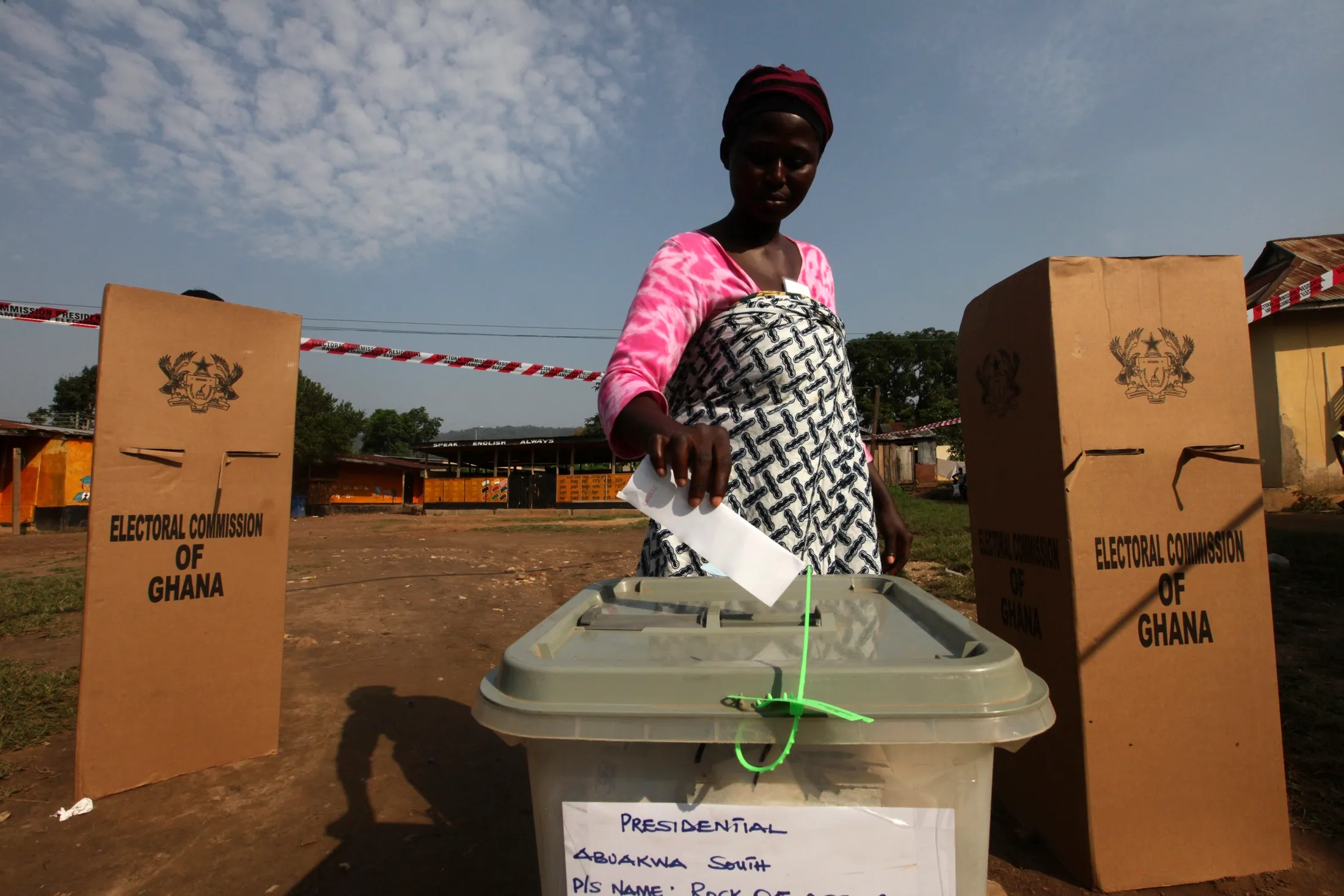
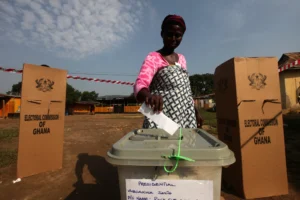
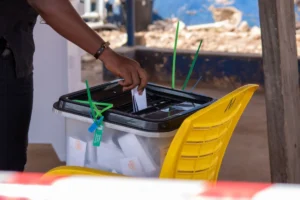
Ghana’s context: False information proliferated during the 2024 elections, with fake news cards circulating under falsified media logos.
-
Local tools: Dubawa West Africa and Penplusbytes’ KasaGadi AI platform work to verify claims in Ghanaian languages.
Misinformation: The Honest Mistake
Misinformation is false information that is shared without the intent to deceive. A person hears something, believes it, and passes it on. They are not trying to mislead anyone—they are simply wrong.

This is the most common form of false information. It spreads through family WhatsApp groups, church announcements, and market conversations. Someone says a new tax is coming next month. Someone else shares a health claim that sounds plausible. No one checks. The information circulates because people trust the person who shared it.
The key feature of misinformation is the absence of intent. The person sharing it genuinely believes it is true. They are not malicious—they are mistaken.
Disinformation: The Deliberate Lie
Disinformation is different. It is false information that is created and spread with the intent to deceive or cause harm.

The motives vary. It could be political—to damage a candidate, influence an election, or undermine trust in institutions. It could be financial—to drive traffic to a website, sell a product, or scam people. It could be ideological—to promote a cause or attack an opponent.
In Ghana, disinformation has become a recognised threat. During the 2024 elections, “fake news cards”—graphics designed to look like they came from legitimate media outlets—circulated online under falsified logos. These were not honest mistakes. They were designed to deceive.
The Ghanaian government has acknowledged the problem. The Ministry of Communication, Digital Technology and Innovations has drafted legislation aimed at tackling misinformation, disinformation, and hate speech. The Minister, Samuel Nartey George, stated that “citizens must remain critical of the government, but they must criticise us with facts, not fabrications”.

Propaganda: The Art of Influence
Propaganda is broader than disinformation. It is communication designed to influence beliefs, attitudes, or actions, often by manipulating facts, emotions, or both.
Propaganda does not have to be false. It can use true facts selectively, present them out of context, or pair them with emotional appeals that short-circuit rational analysis. The goal is not necessarily to deceive about specific facts, but to shape how people think and feel about an issue.
Common propaganda techniques include:
-
Name-calling: Attacking a person instead of their argument.
-
Bandwagon: Persuading people to believe something because “everyone” believes it.
-
Emotional appeal: Using fear, anger, or hope to bypass logic.
-
Repetition: Repeating a message until it feels true.
-
Sweeping generalisation: Making an oversimplified claim about a group based on limited information.
Propaganda is not always harmful. Public health campaigns and civic education efforts use persuasive techniques to encourage beneficial behaviour. The difference lies in transparency and intent. Good-faith persuasion is open about its goals. Manipulative propaganda hides them.
“Fake News”: The Weaponised Term
The term “fake news” has become contentious. Originally, it referred to fabricated news stories designed to look like legitimate journalism—completely false content presented as news.
But the term has been weaponised. Politicians across the spectrum now use “fake news” to dismiss any coverage they dislike, regardless of its accuracy. The American Library Association notes that the term “has been rendered meaningless and counterproductive through overuse and political weaponization”.
This is why many experts prefer the more precise categories: misinformation, disinformation, and malinformation. These terms describe what the information is and why it is being shared, not just whether someone dislikes it.
How to Spot the Difference: A Practical Guide
When you encounter information that seems questionable, ask three questions:
1. Is it accurate? Check the facts. Does the claim hold up against reliable sources? If it is false, move to question two.
2. What is the intent? Is the person sharing it genuinely mistaken, or are they trying to deceive? Misinformation is an honest mistake. Disinformation is deliberate.
3. What is the goal? Is this designed to inform, persuade, or manipulate? Propaganda aims to influence. Journalism aims to inform.
Here is a simple framework:
| Type | Accuracy | Intent | Example |
|---|---|---|---|
| Misinformation | False | No harm intended | Sharing a rumour you believe is true |
| Disinformation | False | Deceive/harm | Creating a fake news card |
| Malinformation | True | Harm | Leaking private info to damage someone |
| Propaganda | Selective | Influence | Emotional political advertising |
Warning Signs to Watch For
Emotional manipulation. If a headline makes you feel extremely angry, afraid, or vindicated, pause. Strong emotions are a tool of manipulation. The European Commission warns that “manipulative content is designed to provoke a strong emotional reaction. The stronger the feeling, the more likely you are to share”.
Missing context. Some content is not entirely false—it uses real facts but strips away context to create a misleading impression.
Unverified sources. Check who is behind the claim. Is it a known, reputable source? Does the website have a legitimate domain? Be wary of sites that imitate known outlets with small changes.
Fake images and videos. Technology now makes it easy to manipulate photos, audio, and video. Look for unnatural details: blurring around the mouth or eyes, mismatched skin tones, badly synced sound, or unnatural blinking.
Pressure to act. “Share this before it’s deleted!” or “Act now or lose everything!” are classic propaganda tactics designed to bypass careful thinking.
What You Can Do
Pause before sharing. The single most effective thing you can do is wait. Take a moment to check before you forward.
Verify the source. Use fact-checking tools. In Ghana, Dubawa West Africa is the fact-checking arm of the Centre for Journalism, Innovation and Development. Penplusbytes has developed KasaGadi AI, a platform that helps radio stations verify claims in local languages including Twi and Hausa.
Cross-check. If a story is significant, it should be reported by multiple credible outlets. If only one obscure source is covering it, be sceptical.
Use reverse image search. Tools like Google Images or TinEye can help you find out if a photo has been taken out of context or used before.
Report suspicious content. Social media platforms are required to allow you to flag misleading content. Your report has weight.
Frequently Asked Questions
What is the difference between misinformation and disinformation?
Misinformation is false information shared without the intent to harm. Disinformation is false information deliberately created and spread to deceive. The key difference is intent.
What is malinformation?
Malinformation is genuine information used maliciously—facts taken out of context or shared to cause harm. It is the most challenging form to counter because the information itself is true.
Is propaganda always false?
No. Propaganda can use true facts selectively to shape opinion. The defining feature is the intent to influence, not necessarily to deceive about specific facts.
Why is “fake news” a problematic term?
The term has been weaponised by politicians to dismiss unfavourable coverage. It has become so overused that it no longer clearly describes a specific type of false information.
How can I tell if a video is fake?
Look for glitches, changes in lighting or background, badly synced sound, unnatural blinking, or gaps in speech. Deepfakes use AI to make it appear someone said or did something they did not.
What is being done in Ghana to fight disinformation?
The government has drafted legislation, and the Ministry of Communication is working with Dubawa West Africa on verification. Penplusbytes has developed an AI tool for verifying claims in local languages.
What should I do if I see disinformation online?
Do not share it. Report it to the platform. If it is significant, alert a fact-checking organisation. Sharing it—even to debunk it—can amplify its reach.
How can I protect myself from propaganda?
Recognise the techniques: emotional appeals, name-calling, bandwagon, repetition, and sweeping generalisations. Ask who benefits from the message and what information is missing.
What to Remember
Misinformation, disinformation, and propaganda are not the same thing. Misinformation is an honest mistake. Disinformation is a deliberate lie. Propaganda is communication designed to influence, often through emotional manipulation.
The term “fake news” has been so weaponised that it is no longer useful. Be precise: ask what the information is, who created it, and why they shared it.
In Ghana’s crowded information space, these distinctions matter. False information spread during the 2024 elections. Fake news cards circulated under legitimate media logos. The government is drafting legislation, and civil society organisations are building tools to verify claims in local languages.
The most powerful defence against all of these is simple: pause before you share. Check the source. Ask who benefits. And remember that you are part of the information ecosystem—what you share shapes what others believe.
Source: The Accra Daily Mail

Samuel Kwame Boadu is a Ghanaian media entrepreneur and storyteller with a passion for amplifying urban voices and uncovering everyday truths. He is the Editor-in-Chief and Founder of The Accra Daily Mail, a dynamic digital platform dedicated to capturing the pulse of Ghana’s capital—its people, culture, challenges, business, sports and innovations.