Quick Facts
-
The duopoly: Ghana’s electoral space is dominated by two parties, the NPP and NDC, with other parties largely marginalised .
-
The cost: Contesting a parliamentary seat can cost up to GH¢4 million, a 59% increase between 2012 and 2016 .
-
The primaries: In party strongholds, candidates spend roughly 90% of campaign funds during internal primaries, often on delegate inducements .
-
The tactics: Campaigns now prioritise house-to-house canvassing over mass rallies, a shift from the 1990s .
-
The platforms: While radio remains important, TikTok and viral videos are rapidly becoming key battlegrounds for political narratives .
-
The risk: Opaque financing, vote-buying, and illicit funds threaten the integrity of the electoral process .
The Reality of Running for Office
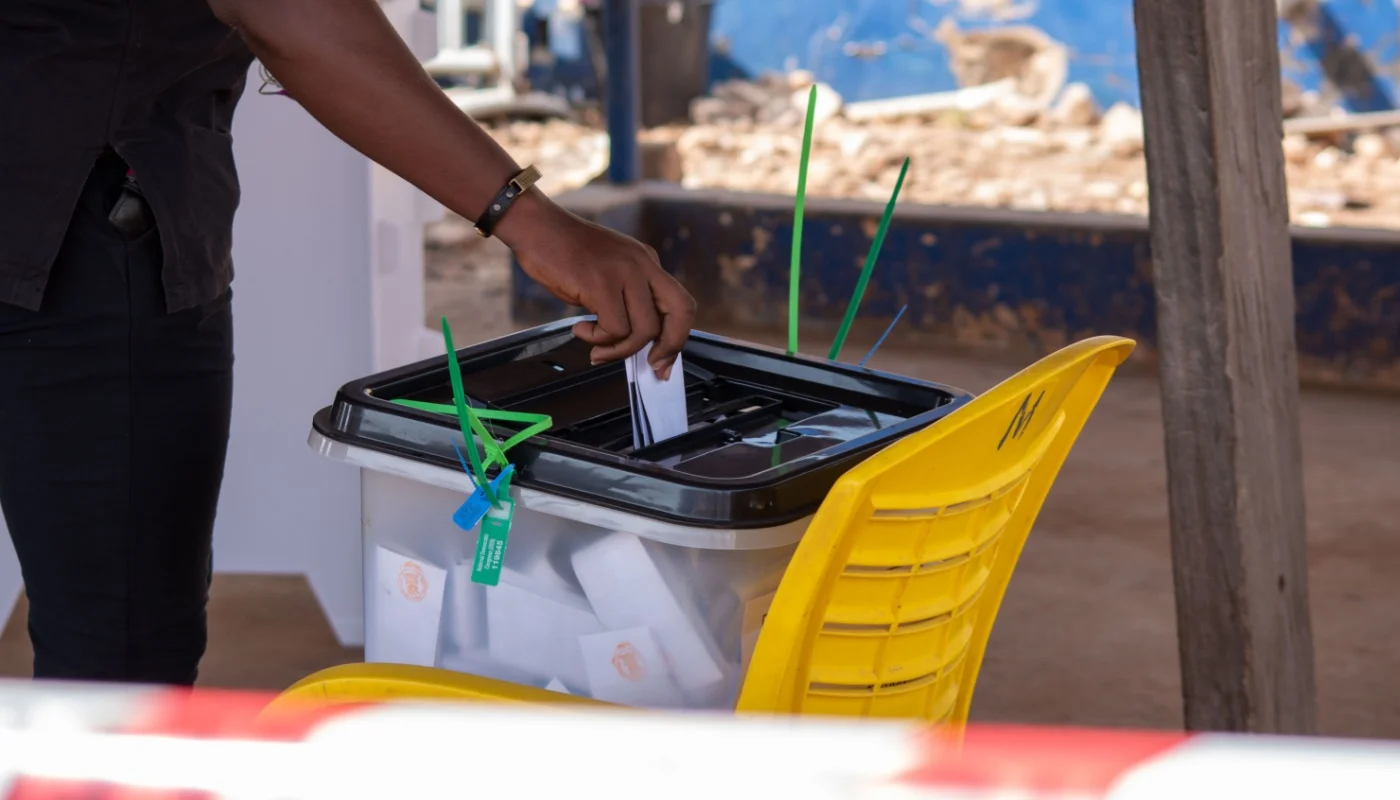
For a candidate in Ghana, launching a political campaign is not simply a matter of ideas and volunteers. It is an expensive, high-stakes enterprise that often begins long before the official campaign season. A 2020 study found that the average cost of contesting a parliamentary seat had surged to approximately GH¢4 million, including the years of “nurturing the constituency” required before a candidate even files to run.
The money goes to a vast array of expenses. There are the visible costs: fuel, tents, chairs, food, T-shirts, banners, caps, and shoes for supporters. Then there are media advertisements, billboards, and outdoor posters . But beneath these legitimate expenses lies a more controversial reality. A substantial portion of campaign funds is spent on financial donations—cash to chiefs, religious leaders, opinion leaders, and party executives. For parliamentary campaigns, this category of spending is the highest of all .
The Primaries: The “Cocoa Season” for Delegates
The most intense financial pressure often comes not during the general election, but during the internal party primaries. In constituencies considered party strongholds, winning the primary is tantamount to winning the seat. Consequently, aspirants spend the vast majority of their resources—up to 90% in some cases—on securing the nomination.
This dynamic has created a system where delegates hold significant power. Candidates provide inducements to party executives to secure their votes. These can include monetary gifts ranging from GH¢3,000 to GH¢6,000, as well as televisions, microwaves, and refrigerators . This period has been cynically dubbed the “cocoa season” for delegates, as they reap significant financial benefits from aspirants.

The consequences of this system are profound. It often means that the candidate with the deepest pockets wins the primary, rather than the most qualified. As one study noted, “empirically, the weakest parliamentary candidates tend to come from the strongholds, while the strongest candidates often come from the swing constituencies”.
The Campaign Trail: From Rallies to Living Rooms
The way campaigns are conducted has changed dramatically since the early years of the Fourth Republic. In 1992, the dominant activity was the mass political rally—assembling thousands of party faithful to listen to speeches. Today, the rally has become secondary.
Data from the Coalition of Domestic Election Observers (CODEO) shows that house-to-house campaigning is now the primary activity for both major parties, with rallies coming in a distant third behind meetings. This shift towards “retail politics” reflects a recognition that direct engagement with voters may be more effective than large, staged events. However, the electorate’s engagement with these efforts is increasingly shaped by digital platforms.

The Digital Battlefield: TikTok and the Narrative War
While radio remains a crucial medium, its dominance is being challenged. A 2026 report noted that “TikTok and viral videos are rapidly becoming the battleground where Ghana’s political narratives are won and lost”. Social media platforms like Facebook, X (formerly Twitter), and TikTok have become essential tools for political mobilisation, campaign messaging, and influencing democratic decision-making.
This digital shift has both benefits and drawbacks. It allows for more direct communication and can increase citizen interest and participation. However, it has also facilitated the rise of personality attacks and the spread of misinformation and disinformation, a phenomenon that CODEO noted was occurring in proportions far greater than in previous elections.
The Money Problem: Weak Regulation and Illicit Funds
The rising cost of campaigns is compounded by a regulatory framework that observers describe as inadequate. Current laws, primarily the Political Parties Act of 2000 (Act 574) and Chapter 7 of the 1992 Constitution, are seen as weak, with enforcement gaps.

A key issue is that the law primarily regulates political parties, not individual candidates, creating a loophole in oversight . The Office of the Special Prosecutor (OSP) has called for sweeping reforms, noting that the current framework fails to prevent proceeds of crime from infiltrating political financing.
Investigations have found that a significant share of campaign financing originates from opaque and potentially illicit sources, including funds linked to organised crime. The Commonwealth Observer Group’s report on the 2024 elections reiterated the need for an effective regulatory framework for campaign financing to prevent corruption and the monetisation of politics .
The Voter’s Dilemma and the Path Forward
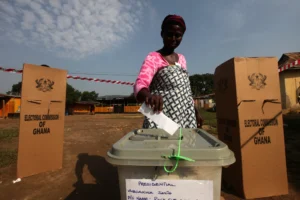
For ordinary Ghanaians, the campaign season presents a complex dynamic. The cash handouts, T-shirts, and food distributed on election day—while contentious—are often viewed by recipients as the only direct benefit they receive from the political system. This creates a cycle where voters look forward to these inducements, reinforcing the monetisation of politics.
Civil society organisations like CDD-Ghana and Transparency International are advocating for reform. They propose a standalone Political Finance Law that would include spending ceilings, mandatory disclosure of funding sources, an independent regulatory body, and clear definitions of campaign periods to reduce the four-year cycle of perpetual campaigning.
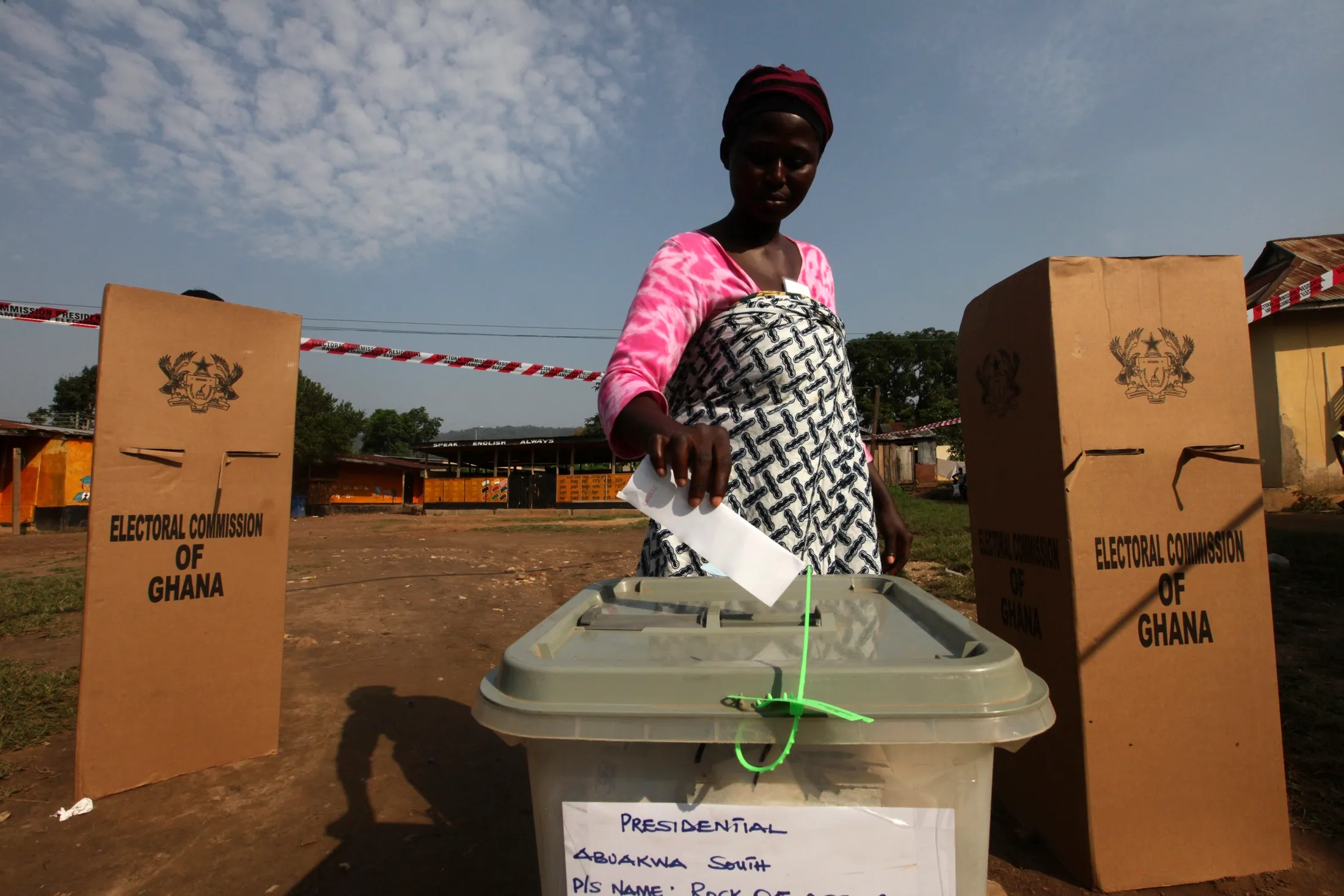
The Commonwealth Observer Group, in its final report on the 2024 elections, commended Ghana’s peaceful and credible process but urged the implementation of these reforms to strengthen the integrity of the electoral system. The 2024 elections saw a return to power for John Dramani Mahama, with a peaceful transfer and early concession from his opponent, demonstrating the resilience of Ghana’s democratic process even amidst concerns about campaign financing.
Frequently Asked Questions
How much does it cost to run for Parliament in Ghana?
Studies estimate that contesting a parliamentary primary and election can cost up to GH¢4 million on average, including years of constituency work before the campaign officially begins.
What is the “cocoa season” in Ghanaian politics?
It is a term used to describe the party primary period, when delegates can reap significant financial benefits from aspirants seeking their votes through cash gifts and other inducements.
Do political parties in Ghana receive public funding?
Ghana provides indirect public funding by refunding filing fees to candidates who secure a certain percentage of votes. There is ongoing debate about whether direct state funding should be introduced, with concerns about weak accountability.
Are foreign donations to political parties allowed in Ghana?
No. The Political Parties Act prohibits non-citizens from directly or indirectly making a contribution, donation, or loan to a political party in Ghana.
What is the main campaign activity for political parties today?
House-to-house campaigning has become the primary activity for the two major parties, the NPP and NDC, surpassing mass rallies in importance.
How is social media changing political campaigns in Ghana?
Platforms like Facebook, X, and TikTok are increasingly used for political messaging, mobilisation, and advertising. TikTok is seen as a growing battleground for influencing political narratives .
What are the main issues in a typical Ghanaian campaign?
The campaign issues often differ by party. In the 2024 election, the NPP focused on education (citing Free SHS), while the NDC focused on the economy and corruption.
What is being done to regulate campaign financing in Ghana?
CDD-Ghana and other civil society groups have developed a model Political Financing Bill. It proposes spending limits, an independent oversight body, mandatory disclosure, and a defined campaign period .
What to Remember
Political campaigns in Ghana are a high-stakes, expensive, and increasingly sophisticated operation. While the public sees rallies, handouts, and digital ads, the real battle often happens during the party primaries, where delegates can be induced with cash and gifts. The cost of running for office has skyrocketed, creating an uneven playing field that favours the wealthy and creates a cycle of debt and patronage.
At the same time, the methods of campaigning are evolving. The shift from mass rallies to house-to-house canvassing and the rise of TikTok show that politicians are adapting to a changing electorate. However, the persistent problem of money in politics—and the weak laws meant to regulate it—remains a significant threat to democratic integrity. The push for comprehensive political finance reform is not just about cleaning up elections; it is about ensuring that public office goes to the most qualified candidates, not just the highest bidders.
Source: The Accra Daily Mail

Samuel Kwame Boadu is a Ghanaian media entrepreneur and storyteller with a passion for amplifying urban voices and uncovering everyday truths. He is the Editor-in-Chief and Founder of The Accra Daily Mail, a dynamic digital platform dedicated to capturing the pulse of Ghana’s capital—its people, culture, challenges, business, sports and innovations.