









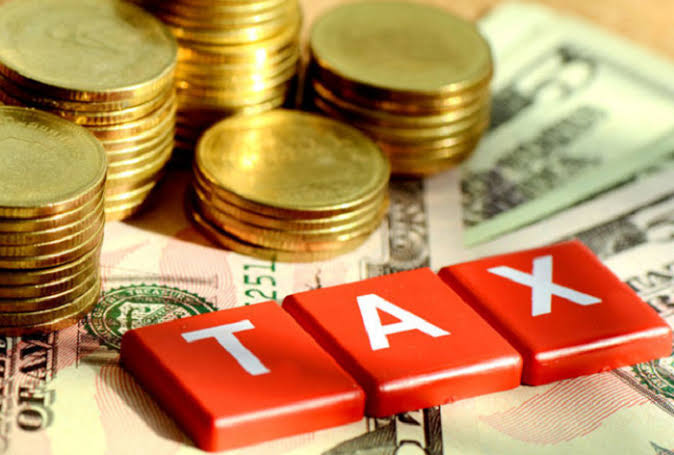

For many business owners, taxes feel like a burden. Every cedi paid to the Ghana Revenue Authority is a cedi that could have been reinvested, saved, or taken as profit. It is easy to see taxes as a loss — something taken away by the government for unclear purposes.
But taxes are not simply a burden. They are part of the compact between businesses and the society in which they operate. Businesses benefit from public goods every day: roads that move their goods, courts that enforce their contracts, educated workers they hire, security that protects their premises. Taxes are how businesses contribute to maintaining and improving those goods.
This article explains why businesses pay taxes and where the money actually goes. It is written for entrepreneurs, small business owners, and anyone who has ever wondered what happens to the taxes they pay. It is not a defence of every government spending decision. It is an honest explanation of the logic and the reality of business taxation in Ghana.
Quick Facts
-
Businesses in Ghana pay income tax on their profits, not on their total revenue.
-
Many businesses also collect Value Added Tax on behalf of the government and remit it to the Ghana Revenue Authority.
-
Employers deduct Pay As You Earn tax from their employees’ salaries and pay it to the GRA.
-
Businesses may also pay customs duties on imports, property taxes on premises, and other levies depending on their activities.
-
Tax revenue funds public services including roads, education, healthcare, security, and social programmes.
-
A significant portion of Ghana’s tax revenue goes toward public sector salaries and debt servicing.
-
Tax compliance supports the formal economy and helps create a level playing field for businesses.
The Logic of Business Taxation
Businesses do not operate in a vacuum. They depend on public infrastructure and services that are funded through taxes.

A transport company relies on roads. A manufacturing firm relies on electricity and water. A shop relies on security and the rule of law. A tech startup relies on educated workers, many of whom were trained in public schools and universities.
These public goods are not free. They must be paid for. If businesses did not contribute, the burden would fall entirely on individuals, or the services would deteriorate, or the government would borrow more — and the debt would eventually be paid by future taxpayers.
Business taxation is therefore not a punishment. It is a contribution to the systems that make business possible in the first place.

What Businesses Actually Pay
Income Tax on Profits
The most direct tax a business pays is income tax on its profits. Profit is calculated as revenue minus allowable business expenses.
For a sole proprietor, business profits are added to personal income and taxed at personal income tax rates. For a limited company, the company pays corporate income tax on its profits.
The key point is that businesses are taxed on profit, not revenue. If a business makes GH₵500,000 in sales but has GH₵400,000 in costs, it is taxed on the GH₵100,000 profit — not the full GH₵500,000.
Value Added Tax
VAT is different. A VAT-registered business collects VAT from its customers and pays it to the GRA. The business is not paying VAT out of its own pocket in the way it pays income tax. It is acting as a collection agent.
However, VAT still affects the business. It affects pricing, cash flow, and compliance costs. And businesses pay VAT on their own purchases, which they may or may not be able to recover depending on their registration status.
Pay As You Earn
If a business employs people, it must deduct PAYE from their salaries and pay it to the GRA. The tax is borne by the employee — it comes out of their salary — but the business is responsible for collecting and remitting it.
Employers also contribute to Social Security and National Insurance Trust on behalf of their employees, which is a form of payroll cost.
Customs Duties and Import Levies
Businesses that import goods pay customs duties and related charges. These costs are built into the price of the imported goods and ultimately passed on to consumers.
Property Taxes and Local Levies
Businesses that own or occupy premises may pay property rates to the local assembly. They may also pay business operating permits and other local levies.
Other Taxes
Depending on the business, there may be other taxes: excise duties on certain products, communication service tax on business phone usage, capital gains tax on asset sales, and stamp duty on certain transactions.
Where the Money Goes
When a business pays taxes, the money goes into the Consolidated Fund — the government’s main account. From there, it is allocated through the national budget.
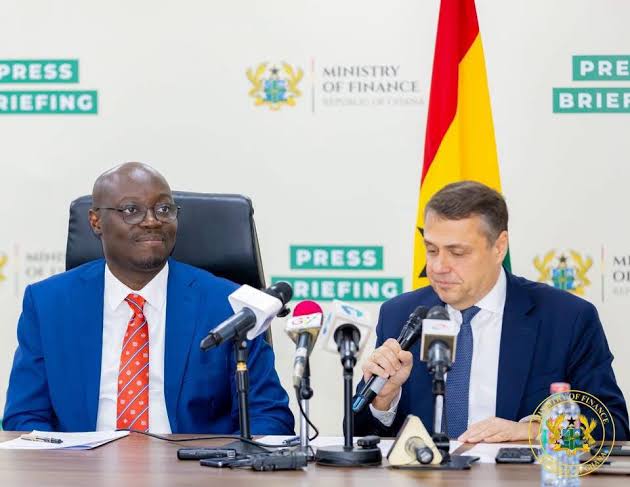
The budget is prepared by the Ministry of Finance and approved by Parliament. It sets out how public money will be spent across sectors. The main areas of spending include:
Education
A large share of government spending goes to education: teacher salaries, school infrastructure, learning materials, and programmes such as the school feeding programme. Businesses benefit from an educated workforce, and taxes fund the system that produces it.
Health
Taxes fund public health facilities, medical staff salaries, the National Health Insurance Scheme, and public health programmes. A healthy population is essential for a productive economy, and businesses depend on it.
Infrastructure
Roads, bridges, ports, airports, and public buildings are largely funded through public money. Businesses use this infrastructure daily. A trucking company cannot operate without roads. A trader cannot move goods without transport networks.
Security and Justice
The police, the military, the courts, and the prison service are all funded through taxes. Businesses rely on the security and legal systems to protect their property, enforce contracts, and resolve disputes.
Social Protection
Programmes such as LEAP, the National Health Insurance Scheme, and other social interventions are funded through taxes. These programmes support the poorest and most vulnerable, helping to maintain social stability.
Public Sector Salaries
A significant portion of tax revenue goes toward paying the salaries of public sector workers: teachers, nurses, doctors, police officers, civil servants, and others. This is one of the largest items in the national budget.
Debt Servicing
Ghana spends a substantial share of its revenue on servicing debt — paying interest and principal on money borrowed in previous years. This is a growing burden and one of the reasons public services often feel underfunded.
The Reality of Public Spending
It is one thing to explain where taxes are supposed to go. It is another to acknowledge that public spending in Ghana often falls short of expectations.
Citizens frequently complain about poor roads, under-resourced schools, and inadequate healthcare. Some of this is due to insufficient revenue. Some is due to inefficiency, waste, and corruption. Some is due to the heavy weight of debt servicing, which crowds out spending on services.
These concerns are legitimate. But they do not change the fundamental logic of taxation. The answer to poor public spending is not to stop paying taxes. It is to demand better accountability, stronger institutions, and more transparent use of public money.
Businesses have a stake in this. A well-run public sector supports economic growth. A poorly run one undermines it. Business owners have every reason to care about how their taxes are spent — and to use their voice to demand improvement.
Why Compliance Matters
When businesses pay their taxes, they contribute to a system that benefits everyone. When they avoid taxes, they shift the burden onto others and undermine the public goods that businesses depend on.
Non-compliance creates unfair competition. A business that evades taxes can undercut a compliant competitor, not because it is more efficient but because it is cheating. This distorts the market and punishes honest operators.
Compliance also builds credibility. A business that pays its taxes is taken more seriously by banks, investors, and potential partners. It can bid for government contracts, access formal credit, and demonstrate good governance.
The Informal Sector Challenge
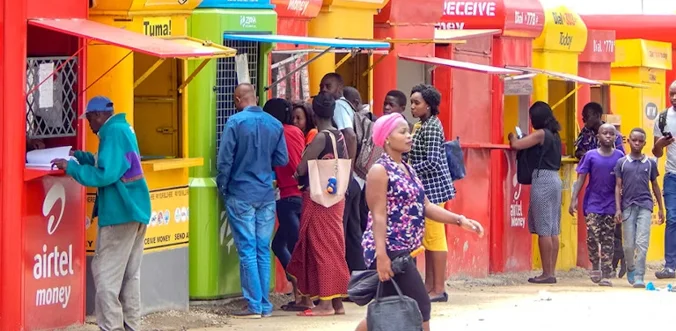
A major challenge in Ghana is the large informal sector. Many businesses operate outside the formal tax system, paying little or no tax. This narrows the tax base and increases the burden on formal businesses.
Bringing informal businesses into the tax net is difficult. It requires a combination of incentives, enforcement, and public trust. People are more willing to pay taxes when they believe the money will be used well.
The Ghana Revenue Authority has made efforts to register informal businesses and improve compliance, but progress has been slow. The result is that a relatively small number of formal businesses carry a disproportionate share of the tax burden.
Common Misconceptions
“Businesses pay taxes on everything they earn”
No. Businesses pay income tax on profits, not on total revenue. The distinction matters, because expenses are deducted before tax is calculated.
“VAT comes out of the business’s own pocket”
VAT is collected from customers and remitted to the GRA. The business acts as a collection agent. However, VAT affects pricing and cash flow, and the compliance burden is real.
“Taxes only benefit the government”
Taxes fund services that businesses and citizens use daily: roads, schools, hospitals, security. The benefits are shared, even if they are not always visible.
“If I don’t pay taxes, I save money”
In the short term, perhaps. In the long term, tax evasion carries risks: penalties, interest, legal trouble, and damage to reputation. The cost of non-compliance often exceeds the cost of compliance.
“The government wastes all the money, so I shouldn’t pay”
There are legitimate concerns about public spending, but the answer is accountability, not avoidance. Paying taxes and demanding better use of them are not mutually exclusive.
Frequently Asked Questions
How are business profits calculated for tax purposes?
Profit is revenue minus allowable business expenses. Allowable expenses include costs directly related to generating income, such as goods for resale, rent, utilities, and wages. Personal expenses are not deductible.
What is the difference between PAYE and corporate income tax?
PAYE is deducted from employees’ salaries and paid by the employer on the employee’s behalf. Corporate income tax is paid by the company on its own profits. They are separate obligations.
Do I have to pay taxes if my business is small?
If your business earns income, you have tax obligations, though the scale and type of tax depend on your situation. Many small businesses fall below the VAT threshold but still owe income tax on profits.
What happens if I cannot afford to pay my taxes?
Contact the Ghana Revenue Authority as early as possible. They may be able to arrange a payment plan. Ignoring the problem leads to penalties and interest.
Can I see how the government spends tax money?
Yes. The national budget is a public document, and the government publishes financial reports. Audit reports from the Auditor-General also provide information on public spending.
How can I reduce my business tax burden legally?
Keep proper records and claim all legitimate expenses. Structure your business appropriately. Seek professional tax advice. Legal tax planning is not the same as evasion.
Why do some businesses pay more tax than others?
Tax liability depends on profit, structure, sector, and compliance. Some sectors have special rules or incentives. The size of the tax bill reflects the circumstances of the business.
What to Remember
Businesses pay taxes not because the government demands it, but because businesses depend on the things taxes fund. Roads, schools, hospitals, security, courts — these are not free, and they are not optional. They are the foundation on which commerce is built.
The taxes a business pays are a contribution to that foundation. They are also a legal obligation, a matter of fairness, and a signal of credibility.
Where the money goes — education, health, infrastructure, security, debt servicing — affects the business environment. Business owners have a stake in how public money is spent and a right to demand accountability.
The next time you pay taxes, do not see it only as a cost. See it as an investment in the systems that make your business possible. And use your voice to ensure that investment is well managed.
This article is for general information only. For advice specific to your business, consult a qualified tax professional or contact the Ghana Revenue Authority.
Source: The Accra Daily Mail

Samuel Kwame Boadu is a Ghanaian media entrepreneur and storyteller with a passion for amplifying urban voices and uncovering everyday truths. He is the Editor-in-Chief and Founder of The Accra Daily Mail, a dynamic digital platform dedicated to capturing the pulse of Ghana’s capital—its people, culture, challenges, business, sports and innovations.