






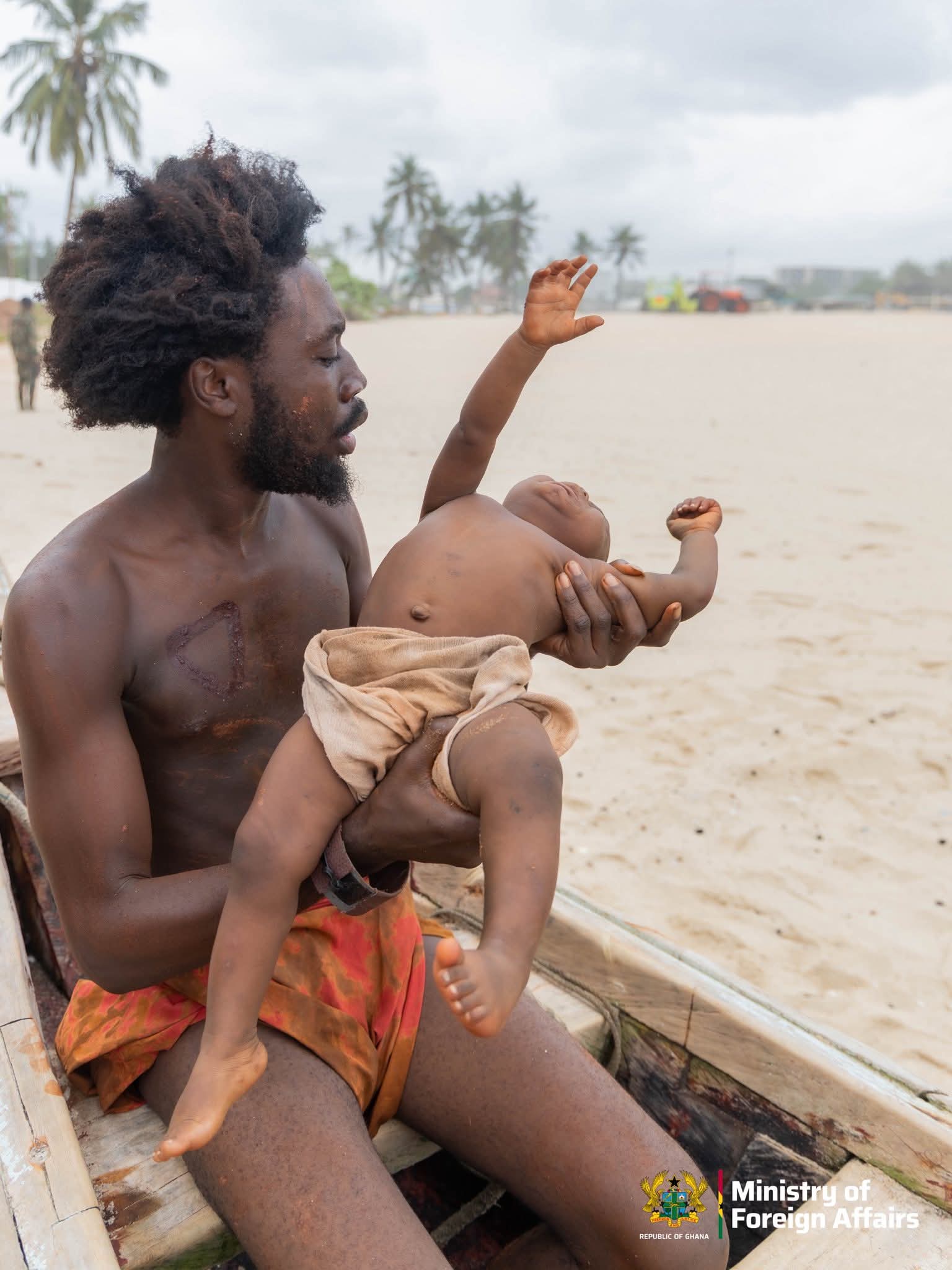

Every year, families around the world come together to celebrate Father’s Day, a special occasion dedicated to honoring fathers, grandfathers, and father figures who play vital roles in shaping lives and communities.
While the day is often marked with gifts, family gatherings, heartfelt messages, and expressions of appreciation, its history stretches back more than a century and is rooted in a desire to recognize the sacrifices and contributions of fathers.
The story of Father’s Day began largely as a response to the growing popularity of Mother’s Day. The most widely accepted origin traces back to 1909 when an American woman named Sonora Smart Dodd attended a Mother’s Day church service in Spokane, Washington. Inspired by the recognition given to mothers, Dodd believed fathers deserved a day of honor as well.
Her motivation was deeply personal. Dodd was raised by her father, William Jackson Smart, a Civil War veteran who single-handedly brought up six children after the death of his wife. Witnessing her father’s dedication and sacrifice convinced her that fathers should receive similar recognition for their love, guidance, and commitment to family.
However, the journey toward establishing Father’s Day began even earlier. In 1908, Grace Golden Clayton organized a church service in Fairmont, West Virginia, to honor the hundreds of men who lost their lives in the devastating Monongah mining disaster. While this event is considered the first Father’s Day observance, it remained a local commemoration and did not immediately gain national attention.
A major breakthrough came in 1910 when Spokane, Washington, hosted the first official Father’s Day celebration on June 19, thanks largely to Dodd’s advocacy. The idea gradually gained support across the United States, although it took decades before it received official national recognition.
In 1924, President Calvin Coolidge publicly endorsed the observance and encouraged states to celebrate the occasion. The movement continued to grow, and in 1966, President Lyndon B. Johnson issued the first presidential proclamation designating the third Sunday in June as Father’s Day. Finally, in 1972, President Richard Nixon signed legislation making Father’s Day a permanent national holiday in the United States.
From its American origins, Father’s Day spread across the globe. Today, many countries observe the celebration on the third Sunday of June, while others have developed their own unique dates and traditions. Despite cultural differences, the core message remains the same: recognizing the invaluable role fathers and father figures play in nurturing families and communities.
Modern Father’s Day celebrations vary widely. Some families gather for special meals, while others exchange gifts, share memories, or simply spend quality time together. In many parts of the world, children use the day to express gratitude for the guidance, protection, and support provided by their fathers throughout their lives.
Beyond the celebrations, Father’s Day serves as a reminder of the enduring importance of fatherhood. It highlights the influence fathers have in shaping values, building confidence, and providing emotional and practical support for future generations.
As families celebrate Father’s Day this year, they are participating in a tradition that began with a simple yet powerful idea: that fathers, like mothers, deserve recognition for their dedication, sacrifice, and unwavering love. More than a century after its beginnings, Father’s Day continues to unite families worldwide in appreciation of the men who help shape their lives.

Samuel Kwame Boadu is a Ghanaian media entrepreneur and storyteller with a passion for amplifying urban voices and uncovering everyday truths. He is the Editor-in-Chief and Founder of The Accra Daily Mail, a dynamic digital platform dedicated to capturing the pulse of Ghana’s capital—its people, culture, challenges, business, sports and innovations.