





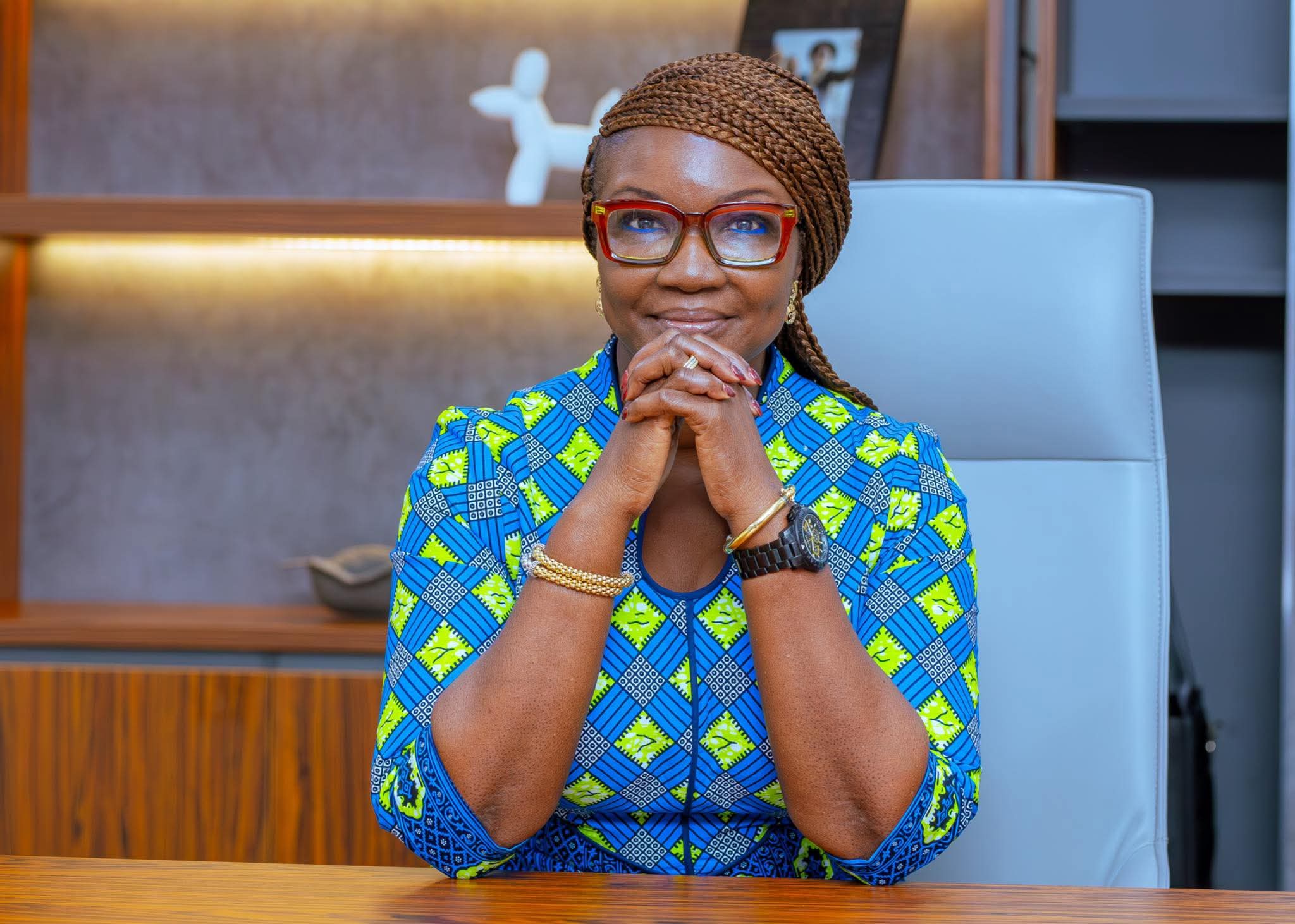

Story By: Joyce Bawah Mogtari(Esq) Presidential Adviser and Special Aide
My dear brothers and sisters,
Imagine, for a moment, the very idea that human beings—specifically black, well-built and strong individuals—could be reduced to chattels, stripped of identity, assigned numbers, and sold as slaves. Envision them treated as beasts of burden, packed tightly into crates, shackled with heavy metals, and transported across vast oceans aboard ships.
These were not animals. These were human beings.

Pause and think carefully about this reality before even attempting to grasp the sheer terror they endured—the atrocities, the unforgiving weather, the brutality inflicted on those who resisted or attempted escape. Reflect on the lives disrupted, the families torn apart, and the fundamental rights trampled under a system designed to dehumanize.
This is the crime that the world must acknowledge—unequivocally—as one of the gravest crimes against humanity: the transatlantic slave trade and the commodification of black men and women.
Introspection is necessary, but must it come at the expense of proportion?

Let us be clear. What John Dramani Mahama achieved at the United Nations is not symbolic—it is historic. It represents a global recognition that the transatlantic slave trade was a crime against humanity: systematic in execution, global in scope, and enduring in its consequences.
Can episodes of African participation truly be equated with a vast, organized system that was built, financed, and enforced by global powers?
Yes, some Africans took part. This truth must neither be denied nor excused. However, it does not erase the fundamental realities: who created the demand, who industrialized the trade, who insured and shipped human cargo, and who codified it into a global economic enterprise. Nor does it diminish the nearly 13 million lives uprooted, or the centuries of exploitation and structural inequalities that persist to this day.

As John Dramani Mahama reminded the world, this is a call for justice—grounded firmly in truth, not distortion. To frame this moment as one of shared blame risks diluting responsibility and minimizing the scale of injustice.
The call for accountability is justified. But accountability must be proportional. Without proportion, it becomes a tool that weakens Africa’s rightful claim to justice and undermines the global consensus that has been so hard-won.
This resolution is not an end—it is a beginning. It does not deny complexity; rather, it asserts truth in its full measure. And that truth must never be watered down.
#RememberingSlavery
#ActaNonVerba

Samuel Kwame Boadu is a Ghanaian media entrepreneur and storyteller with a passion for amplifying urban voices and uncovering everyday truths. He is the Editor-in-Chief and Founder of The Accra Daily Mail, a dynamic digital platform dedicated to capturing the pulse of Ghana’s capital—its people, culture, challenges, business, sports and innovations.