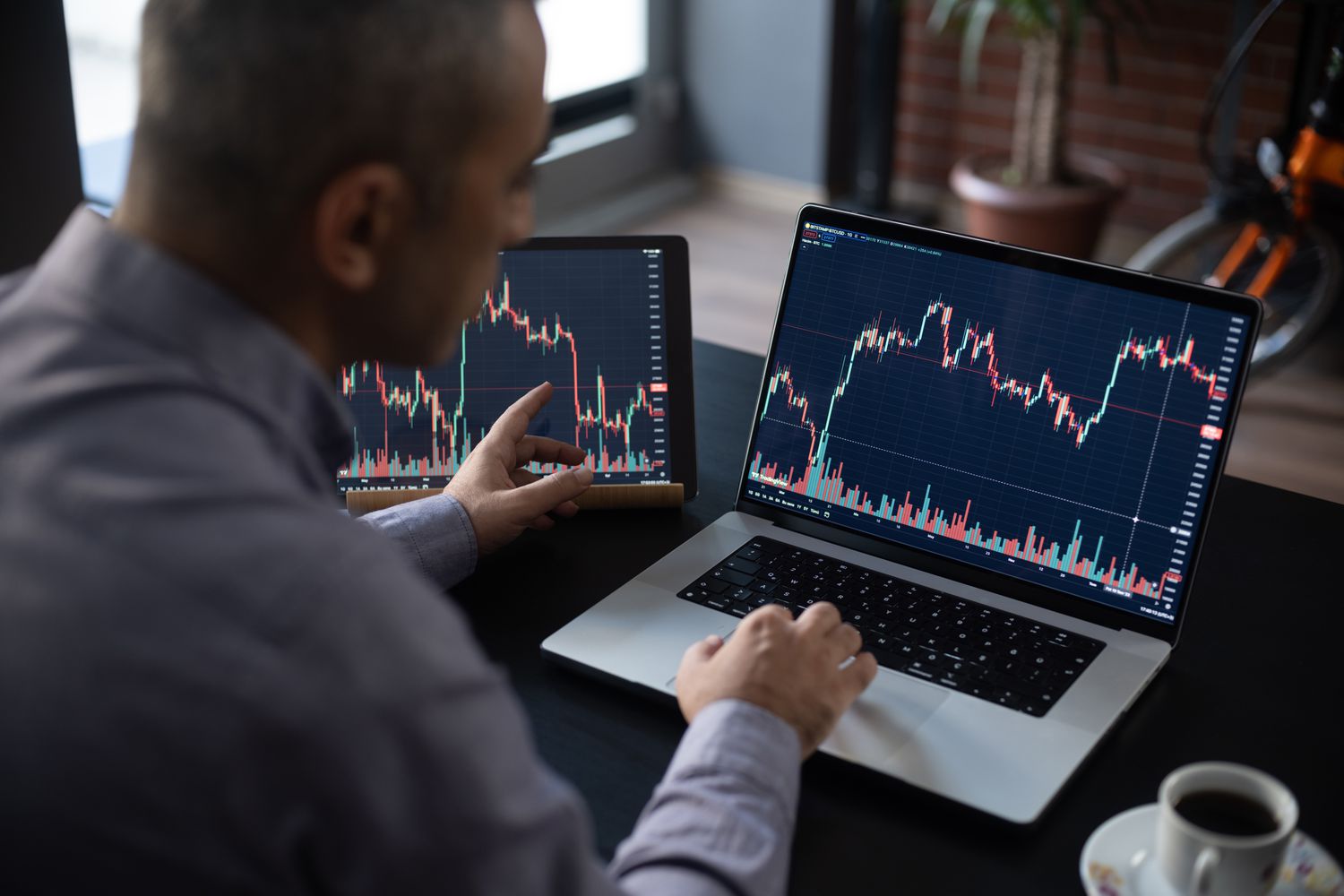












The Ghana Stock Exchange is often mentioned in business news, but many Ghanaians have only a vague idea of what it actually is. It sounds formal, financial, and perhaps intimidating. Yet the concept behind it is simple: it is a marketplace where people buy and sell shares in companies.
Understanding how the stock exchange works is useful not only for investors. It helps ordinary citizens understand how businesses raise capital, how savings can be invested, and how the financial system connects to the wider economy.
This article explains the Ghana Stock Exchange in plain language. It covers what the exchange is, how it operates, who participates, how shares are bought and sold, and what risks are involved. It is written for the curious beginner, the potential investor, and anyone who wants to understand a key part of Ghana’s financial system.
Quick Facts
-
The Ghana Stock Exchange is the principal stock exchange in Ghana, providing a regulated market for buying and selling shares and other securities.
-
It was incorporated in 1989 and began trading in 1990.
-
The exchange is regulated by the Securities and Exchange Commission of Ghana.
-
Companies list on the exchange to raise capital by selling shares to the public.
-
Investors buy and sell shares through licensed stockbrokers.
-
Share prices are determined by supply and demand.
-
Investing in shares carries risk, including the possibility of losing money.
What a Stock Exchange Is
A stock exchange is a marketplace where shares and other securities are bought and sold. It brings together people who want to buy shares and people who want to sell them, providing a platform where transactions can take place efficiently and transparently.
Without a stock exchange, buying and selling shares would be difficult. You would have to find a buyer or seller yourself, negotiate a price, and somehow ensure the transaction was safe. The exchange solves these problems by providing:
-
A central place for trading
-
Standardised rules
-
Price transparency
-
Settlement systems that ensure buyers receive their shares and sellers receive their money
The Ghana Stock Exchange serves these functions for Ghana’s capital market.
Why the Ghana Stock Exchange Exists
The exchange exists to connect companies that need capital with investors who have capital.
Companies need money to grow. They can borrow, but borrowing creates debt that must be repaid. Alternatively, they can sell shares — pieces of ownership — to investors. This raises capital without creating debt.
Investors want to grow their savings. They can put money in a bank, buy treasury bills, or invest in shares. Shares offer the potential for higher returns, though with higher risk.
The stock exchange brings these two groups together. Companies list their shares on the exchange, and investors buy and sell those shares.
How Companies List on the Exchange
A company that wants to list on the Ghana Stock Exchange must meet certain requirements. These include:
-
Being a registered company
-
Meeting minimum capital and profitability thresholds
-
Preparing financial statements according to standards
-
Complying with disclosure and governance rules
The listing process involves an application, review by the exchange and the Securities and Exchange Commission, and the publication of a prospectus — a document that explains the company’s business, finances, and the offer to the public.
There are different tiers of listing, with varying requirements. The main board is for larger, more established companies. There is also a market for smaller and growing companies.
Once listed, a company’s shares can be traded on the exchange. The company must continue to meet ongoing obligations, including publishing financial reports and disclosing material information.
Who Participates in the Exchange
Listed Companies
These are the companies whose shares are traded. They come from various sectors: banking, manufacturing, consumer goods, energy, and others.
Investors
Investors are the people and institutions that buy and sell shares. They include:
-
Individual investors: ordinary people investing their savings
-
Institutional investors: pension funds, insurance companies, and fund managers
-
Foreign investors: non-Ghanaians investing in Ghanaian companies
Stockbrokers
Stockbrokers are licensed intermediaries who execute buy and sell orders on behalf of investors. You cannot buy shares directly from the exchange yourself. You must go through a broker.
Brokers charge a fee or commission for their services. They also provide advice and research to help investors make decisions.
Regulators
The Securities and Exchange Commission regulates the capital market, including the exchange, brokers, and listed companies. The exchange itself also has rules and oversight functions.
How Shares Are Bought and Sold
The process of buying shares is straightforward, though it involves several steps.
Open a Brokerage Account
The first step is to choose a licensed stockbroker and open a brokerage account. You will need identification, such as a Ghana Card, and other documentation.
Deposit Funds
You deposit money into your brokerage account. This money will be used to buy shares.
Place an Order
You tell your broker which shares you want to buy and at what price. You can place a market order, which buys at the current price, or a limit order, which sets a maximum price you are willing to pay.
Execution and Settlement
The broker executes the order on the exchange. Once the trade is completed, settlement takes place: the shares are transferred to your securities account, and the money is deducted from your brokerage account.
Selling
Selling works the same way, in reverse. You place a sell order, the broker executes it, and the proceeds are credited to your account.
How Share Prices Are Determined
Share prices on the Ghana Stock Exchange are determined by supply and demand.
If more people want to buy a share than sell it, the price tends to rise. If more people want to sell than buy, the price tends to fall.
The supply and demand are influenced by many factors:
-
The company’s financial performance
-
Prospects for the industry
-
The overall state of the economy
-
Interest rates and inflation
-
Investor sentiment and expectations
In the short term, prices can be volatile. In the long term, prices tend to reflect the underlying value and profitability of the company.
How Investors Make Money
Investors make money from shares in two ways.
Dividends
A dividend is a portion of a company’s profits paid to shareholders. Companies that are profitable may choose to distribute some of their earnings as dividends. Dividends provide a stream of income to investors.
Capital Gains
A capital gain occurs when you sell a share for more than you paid for it. If share prices rise, investors can sell and realise a profit.
Investors can also lose money. Share prices can fall, and companies can reduce or suspend dividends. Investing in shares carries risk.
The Risks of Investing
Price Risk
Share prices can fall. You may buy a share at one price and see it decline. If you sell at a lower price, you lose money.
Dividend Risk
Dividends are not guaranteed. A company can reduce or suspend its dividend if profits fall.
Liquidity Risk
Some shares are not heavily traded. It may be difficult to sell your shares quickly at a fair price.
Company Risk
Individual companies can fail. If a company goes bankrupt, shareholders are last in line and may lose their entire investment.
Market Risk
The entire market can decline due to economic conditions, political events, or global shocks. Diversification reduces but does not eliminate this risk.
The Ghana Stock Exchange and the Wider Economy
The stock exchange plays an important role in the economy.
It helps companies raise capital for expansion, which creates jobs and drives growth. It provides a channel for savings to be invested productively. It offers a way for ordinary people to participate in the ownership of businesses.
A well-functioning stock exchange also signals confidence. When the exchange is active and prices are rising, it reflects optimism about the economy. When prices fall, it reflects caution.
The exchange is not the whole economy, but it is a barometer of its health.
Common Misconceptions
“Only rich people can invest in shares”
You can start with a modest amount. The cost of a single share varies, and many brokers allow small investments. The barrier to entry is lower than many people think.
“The stock market is gambling”
Short-term speculation can resemble gambling, but long-term investing is different. It involves owning productive assets that generate profits and dividends. The two are not the same.
“Share prices always go up”
No. Prices can and do fall. Some companies decline or fail. Investing always involves risk.
“I can buy shares directly from the exchange”
No. You must buy through a licensed stockbroker. The broker acts as your agent on the exchange.
“Listed companies are always safe investments”
Listing does not guarantee safety. Listed companies must meet standards, but they can still fail. Research and diversification remain essential.
Frequently Asked Questions
How do I start investing in the Ghana Stock Exchange?
Open a brokerage account with a licensed stockbroker, deposit funds, and place an order. The broker will guide you through the process.
How much money do I need to start?
The amount varies. Some shares are priced at a few cedis, while others cost more. Brokers may have minimum deposit requirements. Start with what you can afford.
What is the difference between the GSE and the Securities and Exchange Commission?
The GSE is the marketplace where shares are traded. The Securities and Exchange Commission is the regulator that oversees the capital market, including the GSE and brokers.
How do I know which shares to buy?
Research the company, read its financial statements, understand its business, and consider its prospects. Seek professional advice if needed.
Can I lose all my money?
If a company goes bankrupt, shareholders can lose their entire investment. Diversification reduces this risk but does not eliminate it.
How are dividends paid?
Dividends are usually paid in cash to shareholders on the record date. The amount is determined by the company’s board of directors.
Is the Ghana Stock Exchange open every day?
The exchange operates on business days, but the exact trading hours and schedule can vary. Check with your broker or the exchange.
What to Remember
The Ghana Stock Exchange is a marketplace, not a mystery. It connects companies that need capital with investors who have savings. It provides a regulated, transparent platform for buying and selling shares.
Investing in shares offers the potential for income through dividends and growth through capital gains. But it also carries risk. The key is to understand what you are buying, diversify, and think long-term.
The next time you hear about the stock exchange in the news, you will know what it is: a place where businesses and investors meet, and where the ownership of companies changes hands. It is not just for the wealthy or the experts. It is part of the financial system that affects everyone.
Source: The Accra Daily Mail

Samuel Kwame Boadu is a Ghanaian media entrepreneur and storyteller with a passion for amplifying urban voices and uncovering everyday truths. He is the Editor-in-Chief and Founder of The Accra Daily Mail, a dynamic digital platform dedicated to capturing the pulse of Ghana’s capital—its people, culture, challenges, business, sports and innovations.