








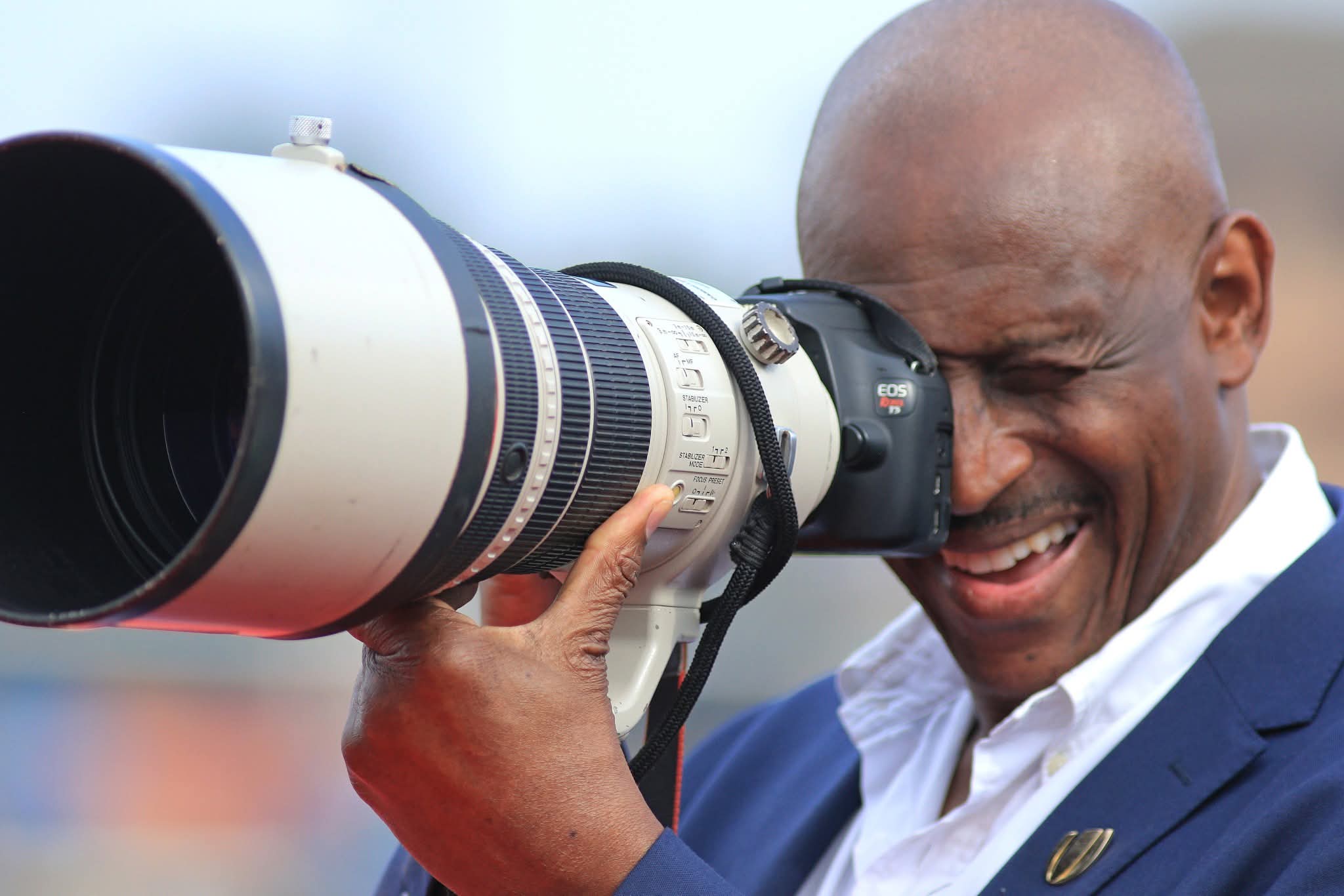
Rugby Africa President and World Rugby Executive Board Member Herbert Mensah has called for a new generation of African-led sports funding models, arguing that the continent must take greater ownership of financing and developing its sporting competitions.
Mensah made the call while reflecting on Uganda’s successful staging of the 2026 U20 Barthes Trophy, which he described as an example of how African countries can combine government support, local investment and commercial partnerships to build sustainable sporting events.
Uganda has emerged as a major host for African rugby, staging major men’s Fifteens competitions for three consecutive years.
The country hosted the 2024 and 2025 Rugby Africa Cups before taking on the 2026 U20 Barthes Trophy, assuming a significant share of the financial and logistical responsibilities involved in staging the tournaments.
The latest edition of the Barthes Trophy concluded with Kenya defeating Namibia 33–14 to claim a record fourth title.

For Mensah, however, the significance of the tournament goes beyond the result on the field.
He believes Uganda’s approach demonstrates the kind of sustainable sports infrastructure and financing model that other African countries can develop as the continent seeks to expand its sporting calendar.
With Rugby Africa operating on what Mensah described as an annual tournament-hosting budget of only about £650,000, the Rugby Africa president warned that existing funding arrangements are not sufficient to support the number of competitions and development pathways Africa needs.
“Sport is big business,” Mensah said, stressing the need for African sport to be approached increasingly as an economic sector capable of attracting investment and generating sustainable commercial value.
He also pointed to Mali’s government-funded 2026 UFOAR Zone B Tournament as another emerging example of African-led sports financing.
According to Mensah, countries including Morocco, Tunisia and Ghana are also exploring opportunities to host regional competitions, creating the potential for a broader network of African nations sharing the responsibility of developing and financing sport.
His argument extends beyond rugby.
Mensah believes African sport cannot continue to rely heavily on international federation allocations or a small number of countries willing and able to host major competitions. Instead, governments, corporations, investors and national federations must work together to finance competitions that create opportunities for athletes while building audiences and commercially viable sports properties.
Uganda will have another opportunity to demonstrate its capacity when it hosts the World Rugby SVNS 3 2026–27 Africa Qualifiers in September.
For Mensah, the next stage is ensuring that the responsibility for hosting and financing African sport is distributed across the continent.
Africa possesses a vast pool of sporting talent and an increasingly valuable consumer market. The challenge, he argues, is to transform that potential into sustainable sports economies that are increasingly financed, developed and ultimately owned by Africans themselves.
The message is therefore clear: Africa must move beyond simply producing sporting talent and begin building the financial structures and commercial ecosystems required to sustain it.

Samuel Kwame Boadu is a Ghanaian media entrepreneur and storyteller with a passion for amplifying urban voices and uncovering everyday truths. He is the Editor-in-Chief and Founder of The Accra Daily Mail, a dynamic digital platform dedicated to capturing the pulse of Ghana’s capital—its people, culture, challenges, business, sports and innovations.