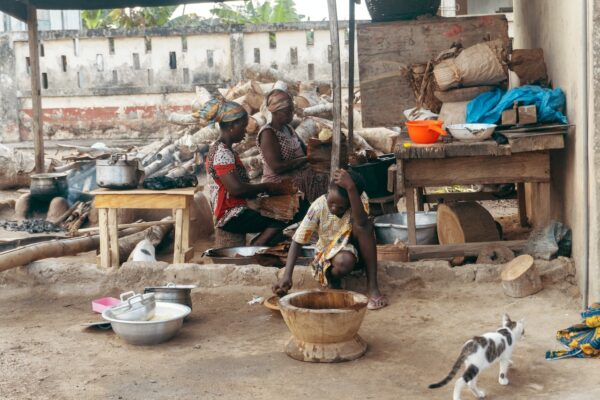
How Ghana’s Regions and Districts Are Governed: The RCCs, Assemblies and the Long Reach of Accra
When you interact with government at the local level, you are dealing with a system that has two distinct tiers:…






When you interact with government at the local level, you are dealing with a system that has two distinct tiers:…
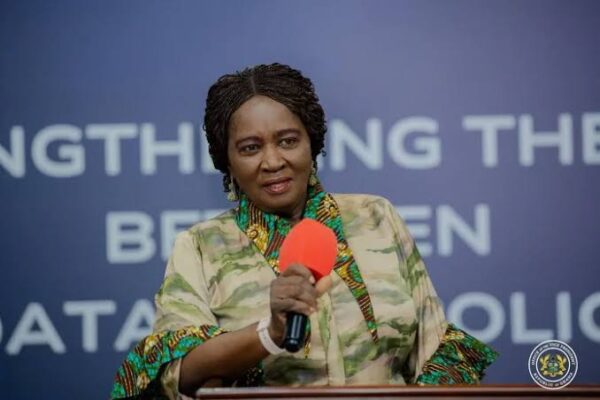
A government announces a new policy. Perhaps it is a change to how much tax you pay, a new regulation…
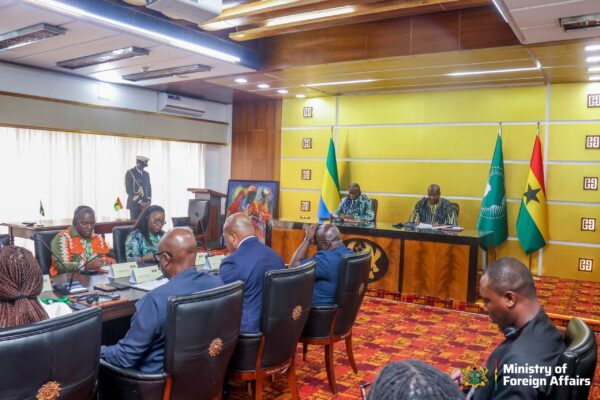
In Ghana’s public sector, the words “ministry” and “agency” are often used interchangeably. People speak of “the Ministry of Health”…
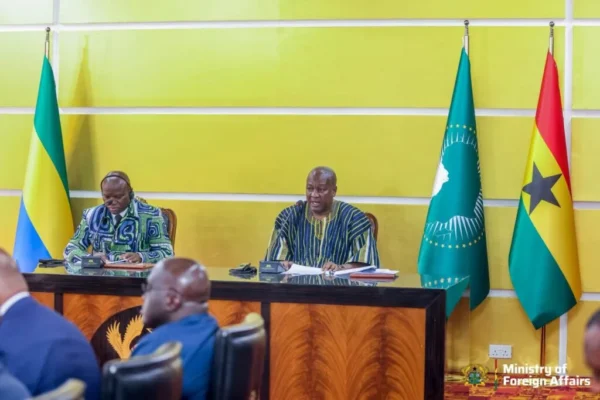
Ghana’s ministries are the engine rooms of government. They are where policy is formulated, where budgets are planned, and where…
Every day, Ghanaians interact with government agencies without always realising it. The fuel you buy at the pump is regulated…
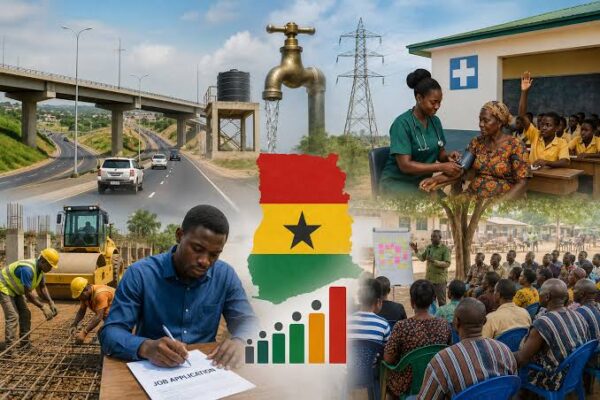
Ghana’s public services are the machinery through which government policies become reality. They are the teachers in classrooms, nurses in…

The Council of State is one of Ghana’s most misunderstood constitutional bodies. It does not make laws, it does not…

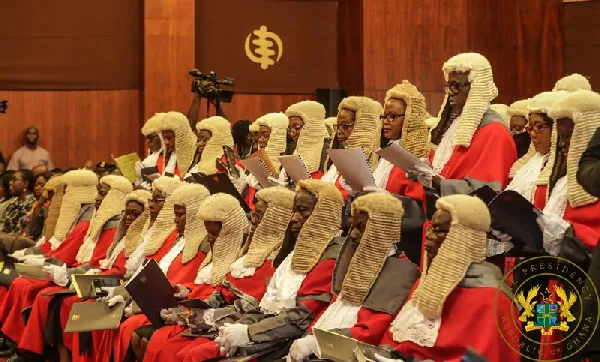
The Chief Justice of Ghana is the head of the Judiciary, the highest judicial officer in the land, and the…

The Attorney-General is one of the most powerful and least understood figures in Ghana’s government. The title sounds legal and…
Ghana’s 1992 Constitution is more than a legal document. It is the rulebook that governs how power is won, how…